Imagine a tiny coach living on your wrist. It does not yell. It does not blow a whistle. It just watches your body, learns your habits, and says, “Hey, maybe sleep more tonight.” That is the basic idea behind a WHOOP Band.
TLDR: A WHOOP Band is a fitness and health tracker that focuses on sleep, recovery, strain, and heart data. It does not have a screen, so it is not trying to be a smartwatch. It helps you understand when to push hard and when to rest. Think of it as a body battery monitor for athletes, busy people, and anyone who likes data.
So, what is a WHOOP Band?
A WHOOP Band is a wearable fitness tracker. You wear it on your wrist, arm, or other places with special accessories. It tracks what your body is doing all day and all night.
Unlike many smartwatches, WHOOP has no screen. No bright display. No buzzing weather alerts. No tiny keyboard. It is quiet and simple.
Its main job is to collect body data. Then it sends that data to the WHOOP app. The app turns the numbers into easy scores and tips.
WHOOP is popular with athletes. But it is not only for pro runners, cyclists, or gym beasts. It is also used by regular people who want to sleep better, train smarter, and feel less like a tired potato.
What does WHOOP track?
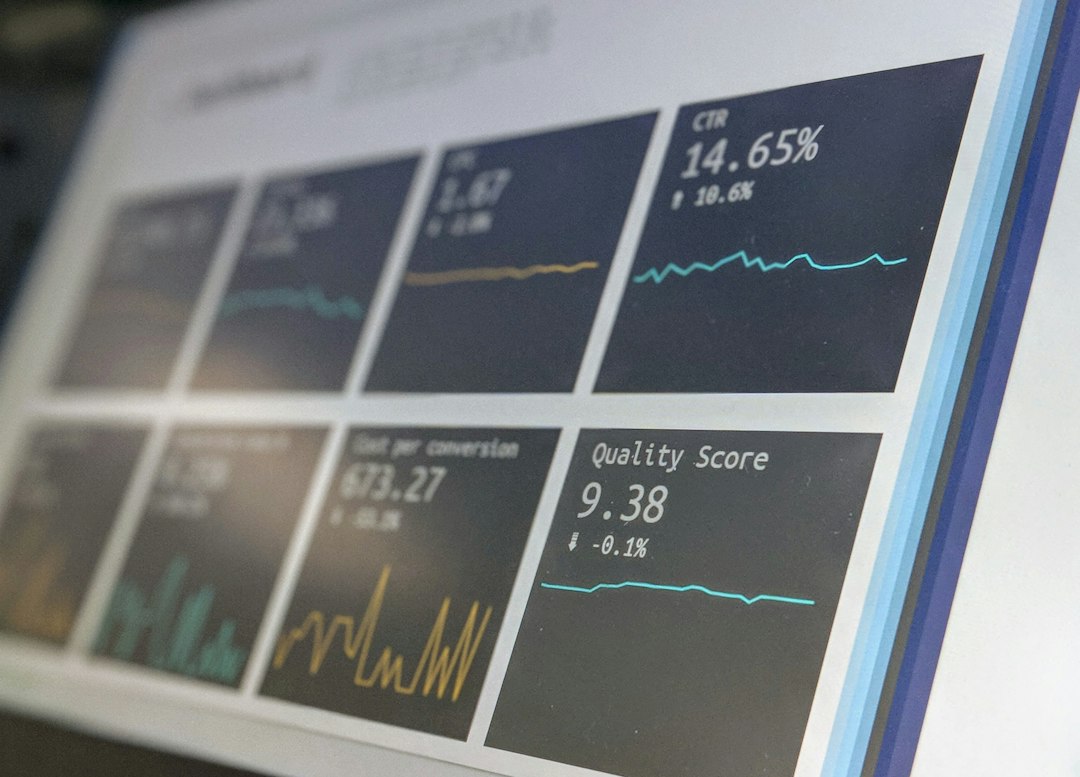
WHOOP tracks several important things. These help it understand your body’s daily story.
- Heart rate: How fast your heart is beating.
- Heart rate variability: How much time changes between heartbeats.
- Sleep: How long and how well you sleep.
- Recovery: How ready your body is for stress or exercise.
- Strain: How much physical and cardiovascular load you take on.
- Respiratory rate: How many breaths you take per minute.
- Skin temperature: Small changes in body temperature.
- Blood oxygen: The oxygen level in your blood.
That sounds like a lot. But do not worry. You do not need to be a scientist. WHOOP takes the tricky stuff and turns it into simple scores.
The big three: Strain, Recovery, and Sleep
WHOOP is built around three main ideas. These are Strain, Recovery, and Sleep.
If WHOOP were a movie, these three would be the main characters. One wants you to work hard. One wants you to recover. One wants you to go to bed.
1. Strain: How hard did your body work?
Strain is a score that shows how much stress you put on your body. This can come from exercise. It can also come from a busy day, walking a lot, or running up stairs like you are late for a flight.
The score goes from 0 to 21. A low score means your body did not work too hard. A high score means your body handled a lot.
For example:
- Light strain: A calm day, light walk, or easy chores.
- Moderate strain: A normal workout or active day.
- High strain: Hard training, long run, intense sport, or a packed day.
Strain is useful because it shows how much effort your body actually made. Not how hard you think the day was. Your heart tells the truth. Even if your brain says, “That was fine.”
2. Recovery: Are you ready to go again?
Recovery is one of the biggest WHOOP features. It tells you how ready your body is for the day.
The recovery score is shown as a percentage. It also uses colors:
- Green: You are well recovered. Go get it.
- Yellow: You are okay. Be smart.
- Red: Your body needs rest. Do not be a hero.
WHOOP calculates recovery using things like heart rate variability, resting heart rate, sleep, and breathing rate.
Heart rate variability sounds fancy. Let’s make it simple.
Your heart does not beat like a perfect clock. The time between beats changes a little. That change is called heart rate variability, or HRV.
Higher HRV often means your body is handling stress well. Lower HRV can mean you are tired, stressed, sick, or not fully recovered.
So, if your WHOOP says you are in the red, it may be a good day for stretching, walking, or taking it easy. Maybe even a nap. Naps are undefeated.

3. Sleep: Did you recharge enough?
WHOOP takes sleep very seriously. It tracks when you fall asleep, when you wake up, and how much time you spend in different sleep stages.
It looks at:
- Time in bed
- Time asleep
- Sleep quality
- Wake events
- Deep sleep
- REM sleep
WHOOP also gives you a Sleep Performance score. This compares how much sleep you got with how much sleep your body needed.
That is helpful because sleep need changes. If you had a hard workout, your body may need more sleep. If you are stressed, same thing. If you stayed up watching “just one more episode,” your body will remember.
WHOOP can also suggest a bedtime. This is based on your goals. You can choose if you want to:
- Peak: Be at your best tomorrow.
- Perform: Be pretty well rested.
- Get by: Survive the day with less sleep.
The “get by” option is very honest. It feels like the app is saying, “I do not recommend this, but I understand life is chaos.”
Why does WHOOP not have a screen?
This is one of the first things people notice. WHOOP has no screen. At first, that may seem strange.
But that is part of the design. WHOOP wants to be a tracker, not a distraction machine.
Many smartwatches show texts, calls, timers, emails, maps, and random alerts. WHOOP skips all that. It just tracks your body in the background.
This can be nice. You do not keep checking your wrist. You do not get pulled into notifications. You just wear it and forget it.
Then you open the app when you want your data.
How does the WHOOP app work?
The WHOOP app is where the magic happens. The band collects data. The app explains it.
Each morning, you can check your recovery score. You can see how you slept. You can see if your body is ready for a tough workout or needs a softer day.
The app also lets you log habits. This is called the Journal. You can track things like:
- Caffeine
- Alcohol
- Late meals
- Screen time before bed
- Meditation
- Supplements
- Travel
- Stress
Over time, WHOOP can show how these habits affect your sleep and recovery.
For example, it may show that alcohol hurts your recovery. Shocking? Not really. Useful? Very.
It may show that meditation improves your sleep. Or that late caffeine turns your bedtime into a staring contest with the ceiling.
Who is WHOOP for?
WHOOP is great for people who care about performance and recovery. But “performance” does not have to mean winning a race.
Performance can mean having energy for work. Or feeling good during workouts. Or not falling asleep during a meeting called “Quarterly Process Alignment.”
WHOOP may be useful for:
- Athletes: To balance training and recovery.
- Gym lovers: To avoid overtraining.
- Runners and cyclists: To track strain and readiness.
- Busy professionals: To understand stress and sleep.
- Parents: To confirm that, yes, sleep is missing.
- Health data fans: To enjoy detailed body metrics.
It may not be perfect for everyone. If you want a watch with apps, maps, and music controls, WHOOP is not that. If you want step counting as the main feature, WHOOP may not be your first choice.
WHOOP is more about recovery and readiness than about closing rings or counting every step.
What makes WHOOP different from a smartwatch?
WHOOP and smartwatches can both track health data. But they feel very different.
A smartwatch is like a mini phone on your wrist. WHOOP is more like a quiet health sensor.
| Feature | WHOOP Band | Typical Smartwatch |
|---|---|---|
| Screen | No screen | Has a screen |
| Main focus | Recovery, sleep, strain | Apps, fitness, notifications |
| Notifications | No | Yes |
| Battery style | Designed for continuous wear | Often needs regular charging |
| Best for | Body data and habits | Convenience and daily tools |
One cool thing about WHOOP is that you can charge it while wearing it. Many models use a battery pack that slides over the band. So you do not have to stop tracking while it charges.
That matters because WHOOP is most useful when it tracks you all the time. Day and night. Workout and rest. Couch and chaos.
How does WHOOP help with training?
Training is not just about doing more. It is about doing the right amount at the right time.
If you train hard every day, your body may not keep up. You can get tired, sore, cranky, or injured. Your performance can drop.
WHOOP helps by showing when your body is ready for strain. If your recovery is green, it might be a good day for a hard session. If it is red, you may want to go lighter.
This is called training smarter. It is less “beast mode all day” and more “listen to your body before your body sends a strongly worded complaint.”
WHOOP can also show your weekly strain. This helps you see if you are building fitness or overdoing it.
Can WHOOP help with sleep?
Yes. Sleep is one of its strongest features.
WHOOP does not just say, “You slept 7 hours.” It helps you understand if that was enough for your body.
It can show patterns. Maybe you sleep better when your room is cooler. Maybe late meals reduce your sleep quality. Maybe your phone in bed is the tiny glowing villain.
Small changes can make a big difference. WHOOP helps you notice those changes.
Is WHOOP accurate?
WHOOP uses sensors to estimate body data. It can be very useful for trends. But like all wearables, it is not perfect.
It is not a medical device. It should not replace a doctor. If you feel unwell, talk to a healthcare professional.
The real power of WHOOP is in long-term patterns. One weird score may not mean much. But if your recovery drops for several days, that may be a sign to rest, hydrate, sleep, or check in with your body.
What are the pros and cons?
Here is the simple version.
Pros
- Great for sleep and recovery tracking.
- Simple to wear.
- No screen distractions.
- Useful for athletes and active people.
- Tracks day and night.
- Habit journal can reveal helpful patterns.
Cons
- No screen for quick stats.
- Most features depend on the app.
- May be too data-heavy for casual users.
- Not a full smartwatch.
- Usually requires a membership.
Do you need a WHOOP Band?
Maybe. It depends on what you want.
If you want to understand your body better, WHOOP can be great. If you care about sleep, recovery, stress, and training, it gives you helpful clues.
If you just want the time, texts, music controls, and a step goal, a smartwatch may be a better fit.
WHOOP is best for people who like the question, “What is my body trying to tell me?”
And honestly, your body is always talking. Sometimes it whispers. Sometimes it screams through sore legs and a 3 p.m. energy crash.
Final thoughts
A WHOOP Band is not a magic bracelet. It will not do your workout for you. It will not tuck you into bed. It will not stop you from ordering fries at midnight.
But it can help you make better choices.
It shows how your sleep, training, stress, and habits connect. It helps you know when to push and when to rest. It turns body signals into simple scores you can actually use.
In plain English, WHOOP is a performance tracker for your whole life. Not just your workouts. Not just your steps. Your recovery, sleep, and daily strain too.
So if you want a quiet little coach on your wrist, WHOOP might be worth a look. Just be ready. It may tell you what you already know deep down.
You need more sleep.