A good SEO monthly report should answer one question fast: did organic search create business value this month? Build the report around five areas: traffic, rankings, conversions, links, and technical performance. Keep the first page simple, then add supporting detail for people who want the full story.
TLDR: Your SEO monthly report should show what changed, why it changed, and what to do next. For example, if organic sessions rose from 42,000 to 48,300 but leads fell by 8%, the issue is not traffic volume; it may be landing page intent, form friction, or lower quality visits. Include a short summary, KPI scorecard, traffic trends, ranking movement, conversion data, backlink changes, technical fixes, and next month’s priorities. The best reports are short enough to read in 10 minutes but detailed enough to guide action.
1. Start With an Executive Summary
The executive summary is the part most clients, founders, and managers read first. Some read nothing else. So make it useful.
Use this section to explain performance in plain language. Avoid dumping raw numbers without context. A jump from 20,000 to 24,000 organic sessions sounds good, but it matters more if those visits produced more trials, calls, purchases, or qualified leads.
Include:
- Top wins: Page one rankings gained, traffic growth, conversion lifts, successful content updates.
- Main issues: Traffic drops, ranking losses, crawl errors, slow pages, weak conversions.
- Business impact: Revenue, leads, signups, bookings, demos, or other key outcomes.
- Next actions: The three to five things that deserve attention next month.
Example: “Organic traffic increased by 14.6% month over month, driven by new blog rankings and improved category page visibility. Organic demo requests dropped by 3.2%, mainly due to lower conversion rates on mobile landing pages. Next month, we will test shorter forms and refresh three high-traffic posts with declining engagement.”
2. Include a KPI Scorecard
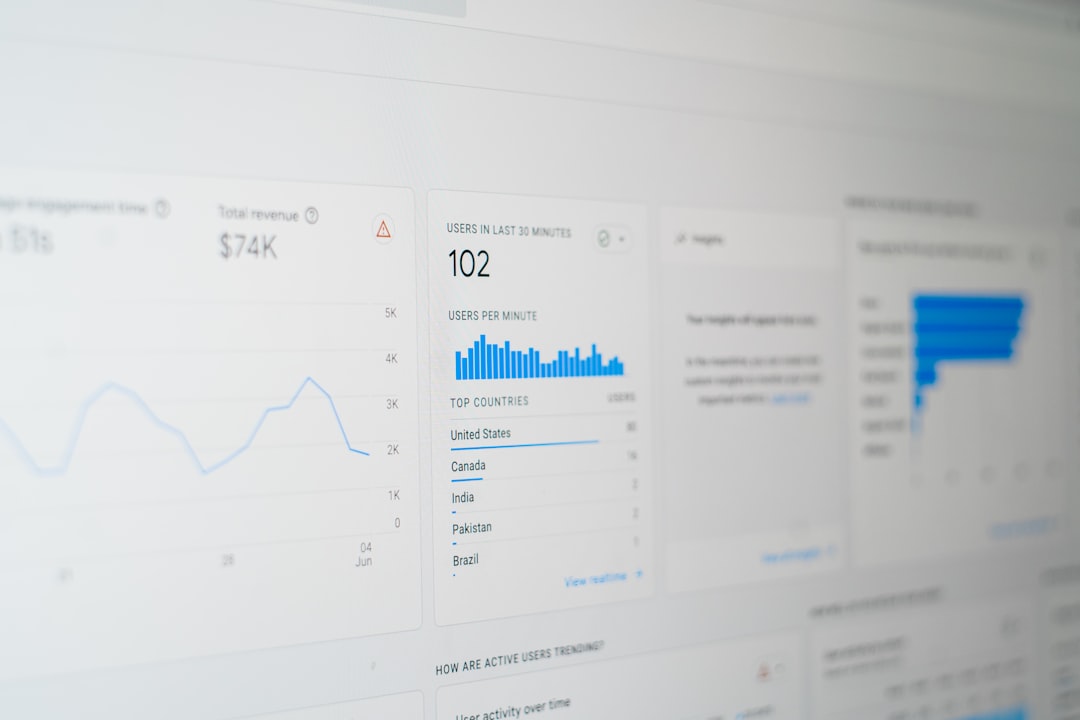
A KPI scorecard gives readers a quick health check. Put it near the top. Use green, yellow, and red status markers if your reporting tool supports them.
Your scorecard should compare this month against last month and, when possible, the same month last year. Year-over-year data helps reduce panic caused by seasonal swings.
| Metric | This Month | Change | Status |
|---|---|---|---|
| Organic sessions | 48,300 | +15% | Good |
| Organic conversions | 612 | -4% | Needs review |
| Keywords in top 10 | 286 | +22 | Good |
| Referring domains | 1,048 | +19 | Good |
| Indexed pages | 3,214 | -88 | Check |
Honestly, it feels like half of SEO reporting pain comes from people arguing over different data sources. Pick your sources early. For example, use Google Search Console for clicks and impressions, GA4 for on-site behavior, and your CRM or ecommerce platform for revenue.
3. Traffic Performance: Show Quality, Not Just Volume
Traffic is usually the first metric people ask about. It should not be the only one. Organic traffic can rise while business results fall, which is why segmentation matters.
Report these traffic metrics:
- Organic sessions and users
- Clicks from Google Search Console
- Impressions and click through rate
- Top landing pages
- Traffic by device
- Traffic by country or region
- New vs returning organic users
Look for patterns. Did traffic grow only on informational blog posts? Did product pages lose visits? Did mobile traffic rise while desktop stayed flat? These details explain whether SEO is feeding the funnel or just inflating a chart.
Add a short note under each chart. Do not make stakeholders guess. A simple sentence like “Traffic growth came mostly from three comparison pages, which also produced 41 assisted conversions” is more useful than another decorative graph.
4. Rankings: Track Movement With Intent
Ranking reports can get messy fast. A list of 5,000 keywords is not helpful. Group keywords by topic, page type, funnel stage, and intent.
Include:
- Keywords gained in positions 1 to 3
- Keywords gained in positions 4 to 10
- Keywords lost from page one
- Priority keywords with no movement
- Featured snippets, local pack results, and other SERP features
Rankings should connect to pages and outcomes. If a keyword moved from position 11 to position 6 but generated no clicks, the search result may have low demand or a weak title. If a keyword dropped from position 2 to 5 and conversions fell, that deserves attention.

5. Conversions: Tie SEO to Revenue or Leads
This is where the report becomes valuable. Traffic and rankings are signs of progress. Conversions are proof that SEO is helping the business.
Track the conversion actions that matter most:
- Purchases
- Revenue from organic traffic
- Lead form submissions
- Demo requests
- Phone calls
- Newsletter signups
- Trial starts
Break conversions down by landing page. This shows which pages attract visitors who act. It also exposes pages with traffic but weak intent.
Example: A SaaS company gets 9,000 monthly visits to a guide about “project planning templates.” It converts at only 0.4%. A comparison page gets 1,200 visits but converts at 5.8%. The guide is useful for awareness, but the comparison page deserves more internal links, stronger calls to action, and possibly paid promotion.
It drives me crazy that GA4 can make a simple conversion check take 20 seconds longer than it should. Still, use it carefully. Check event setup each month, especially after site updates. Broken tracking can make a great month look terrible.
6. Links: Report Authority and Risk
Backlinks still matter, but the report should focus on link quality. A single relevant backlink from a strong industry site can be worth more than 100 random directory links.
Include:
- New referring domains
- Lost referring domains
- Best new backlinks
- Links to priority pages
- Anchor text patterns
- Spammy or suspicious links
Do not scare people with every odd backlink. Most sites attract junk links naturally. Mention risk only when there is a clear pattern, such as a sudden spike from unrelated sites, repeated exact match anchor text, or links from hacked pages.
Also show links that came from digital PR, content partnerships, resource pages, unlinked brand mentions, or product reviews. These details help leaders see which outreach activities are working.
7. Technical Performance: Keep the Site Crawlable and Fast
Technical SEO is the part of the report that often gets ignored until something breaks. Keep it short, visual, and action focused.
Include metrics for:
- Crawl errors
- Indexing issues
- Core Web Vitals
- Page speed
- Mobile usability
- Structured data errors
- Redirect chains
- Duplicate titles and meta descriptions
- Broken internal links
Separate issues by severity. A missing meta description on a low-value archive page is not urgent. A noindex tag on a revenue page is urgent. Make that distinction clear.
8. Add Insights, Not Just Screenshots
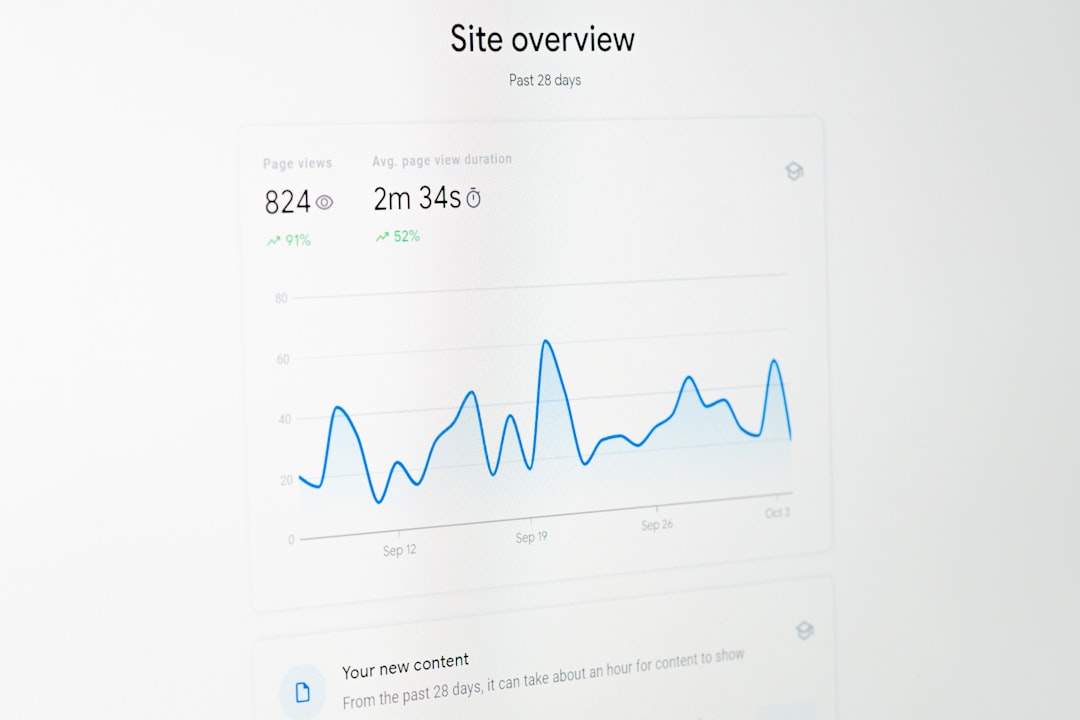
Many SEO reports fail because they are just screenshots from tools. Screenshots show what happened, but they rarely explain why it matters.
For every report section, add a short insight:
- What changed?
- Why did it likely happen?
- What is the impact?
- What should happen next?
Weak note: “Organic clicks increased.”
Better note: “Organic clicks increased by 18%, mostly from refreshed buying guides. These pages also generated 73 assisted conversions, so we should update five similar guides next month.”
9. End With Next Month’s Action Plan
Finish the report with a clear action list. This keeps SEO work connected to priorities instead of turning reporting into a monthly ritual nobody enjoys.
Use a simple format:
- Update declining pages: Refresh five posts that lost more than 10% of clicks.
- Improve conversion paths: Test new calls to action on the top three organic landing pages.
- Fix technical issues: Resolve mobile speed problems on product category pages.
- Build quality links: Pitch two original data assets to relevant industry publications.
- Expand winning topics: Create four pages based on keyword groups gaining impressions.
A strong SEO monthly report does more than prove work was done. It shows whether search visibility is turning into qualified traffic, leads, and revenue. Keep it focused, honest, and tied to decisions. That is how a report becomes a tool people actually use.