Search result CTR should guide SEO analysis because it shows whether rankings are earning real attention, not just impressions. A page sitting in position 3 with a weak CTR may need a sharper title, better intent match, or richer snippet before anyone writes another 2,000 words.
TLDR: CTR in SERPs helps SEO teams see where visibility turns into traffic, and where it quietly fails. For example, a page with 42,000 monthly impressions, an average position of 4.2, and a CTR of only 1.8% may be underperforming if similar pages earn 4% or more. After a title rewrite and meta description update, that same page could move from 756 clicks to about 1,900 clicks without any ranking gain. That makes CTR one of the fastest signals for content decisions.
Why SERP CTR Matters in SEO Analysis
CTR, or click-through rate, measures the percentage of search impressions that become clicks. In organic search, it is usually reviewed in Google Search Console by query, page, country, device, and date range.
The formula is simple:
CTR = clicks ÷ impressions × 100
If a result gets 10,000 impressions and 300 clicks, its CTR is 3%. That number may look small, but context changes everything. A 3% CTR in position 8 could be strong. A 3% CTR in position 1 could be a warning sign.
CTR helps separate two very different SEO problems:
- Visibility problem: The page does not rank high enough or often enough.
- Appeal problem: The page ranks, but searchers choose other results.
That distinction saves time. It stops teams from rewriting full articles when the real issue is a vague title tag. It also shows when new content is needed because the current page does not match the query.
How CTR Influences Content Decisions
CTR is not just a reporting metric. It can shape what gets edited, merged, expanded, or abandoned.
1. Title Tags Become Easier to Judge
A title tag may rank well and still fail. Common problems include bland wording, missing benefits, unclear format, or titles that look too similar to every other listing.
For example, a title like “Email Marketing Guide” may lose clicks to “Email Marketing Guide: 12 Steps to Get More Opens in 2026”. The second option gives a clearer promise. It also hints at freshness and practical value.
CTR data helps teams test these ideas with less guesswork. If impressions stay stable and CTR rises after a title update, the change probably worked.
2. Meta Descriptions Get Treated as Sales Copy
Meta descriptions do not directly decide rankings, but they often affect the click. They act like a short pitch. A weak description repeats the title. A strong one handles intent, value, and trust quickly.
Good descriptions often include:
- A clear answer to the searcher’s need
- A reason to choose the page
- Specific details such as numbers, dates, tools, or examples
- A tone that matches the query
Honestly, it feels like many CMS previews make this harder than it should be. Some tools cut snippets differently than Google does, so an editor may spend an extra 10 minutes testing wording that still gets rewritten in the SERP.
3. Search Intent Gaps Become Obvious
Low CTR can reveal a mismatch between the ranking page and the searcher’s intent. A page may rank for a query it does not really satisfy.
For instance, an in-depth article may appear for a query where searchers want a checklist. A product page may appear where searchers want comparisons. A beginner guide may show up for an advanced query.
In those cases, changing a title may not be enough. The content itself may need a new section, a table, a comparison block, or a separate page.
CTR Patterns Worth Watching
SEO teams should avoid judging CTR in isolation. A “good” CTR depends on rank, query type, brand strength, SERP features, device, and intent.
Useful patterns include:
- High impressions, low CTR: The page has visibility but poor pull.
- High position, low CTR: Snippet, intent, or SERP feature issues may exist.
- Low position, high CTR: The snippet may be very strong, and ranking work could pay off.
- Desktop CTR higher than mobile: Mobile snippets or page titles may be getting cut.
- Branded CTR dropping: Competitors, ads, or reputation issues may be stealing attention.

How SERP Features Change CTR
Traditional rankings no longer tell the full story. A page can rank in position 2 and still get buried under ads, shopping boxes, videos, maps, People Also Ask results, and AI-style summaries.
This is why CTR may drop even when rankings hold steady. The result did not get worse. The SERP got more crowded.
SEO analysis should compare CTR against the actual search result page. If a query has many visual elements, a standard blue link may attract fewer clicks. In that case, content decisions may include adding schema, creating video, improving product data, or answering related questions more clearly.
How to Use CTR Without Misreading It
CTR is useful, but it can mislead sloppy analysis. It drives analysts crazy that Search Console can lag by more than 48 hours, and query data can shift after filters are applied. That does not make the data useless. It means teams need a clean method.
A practical CTR review process looks like this:
- Filter by page first. This shows real performance for one URL.
- Sort by impressions. High-impression queries create the biggest gains.
- Compare average position. CTR without rank context is weak evidence.
- Group queries by intent. Similar searches should be judged together.
- Check SERP features manually. The report does not show every visual distraction.
- Record changes. Title and meta updates need dates for fair review.
Teams should usually wait two to four weeks before judging a CTR test. Shorter periods can be distorted by seasonality, news, promotions, or ranking movement.
When Low CTR Calls for New Content
Not every CTR problem should be fixed on the same URL. Sometimes the query deserves its own page.
New content may be needed when:
- The query has a different intent from the current article
- The ranking page covers the topic only briefly
- Competitors offer a more specific format
- The SERP favors comparison, pricing, templates, or examples
- The current page cannot be changed without hurting its main purpose
For example, a broad article about “project management software” may receive impressions for “project management software for architects.” If CTR is low and competitors have industry-specific pages, a new page may be smarter than forcing one paragraph into the old article.

How CTR Connects to Business Results
CTR should not be treated as a vanity metric. More clicks only matter if they bring useful visitors. A higher CTR on the wrong query can increase traffic while lowering conversions.
Smart SEO analysis connects CTR to:
- Engagement: bounce rate, time on page, scroll depth, and return visits
- Conversions: leads, sales, signups, demos, calls, or downloads
- Revenue: assisted conversions and organic sales by landing page
- Content value: pages that support research, trust, and later purchases
A title that gets more clicks but attracts the wrong audience is not a win. The best CTR improvements increase qualified visits, not just curiosity clicks.
FAQ
What is a good organic CTR in SERPs?
A good CTR depends on position, query type, device, and SERP features. A top result often earns far more than a result in position 6, but ads and rich results can reduce clicks for every organic listing.
Does CTR directly affect SEO rankings?
Search engines have not confirmed CTR as a simple direct ranking factor. Still, CTR is highly useful for SEO analysis because it shows how searchers respond to a result.
Where can CTR data be found?
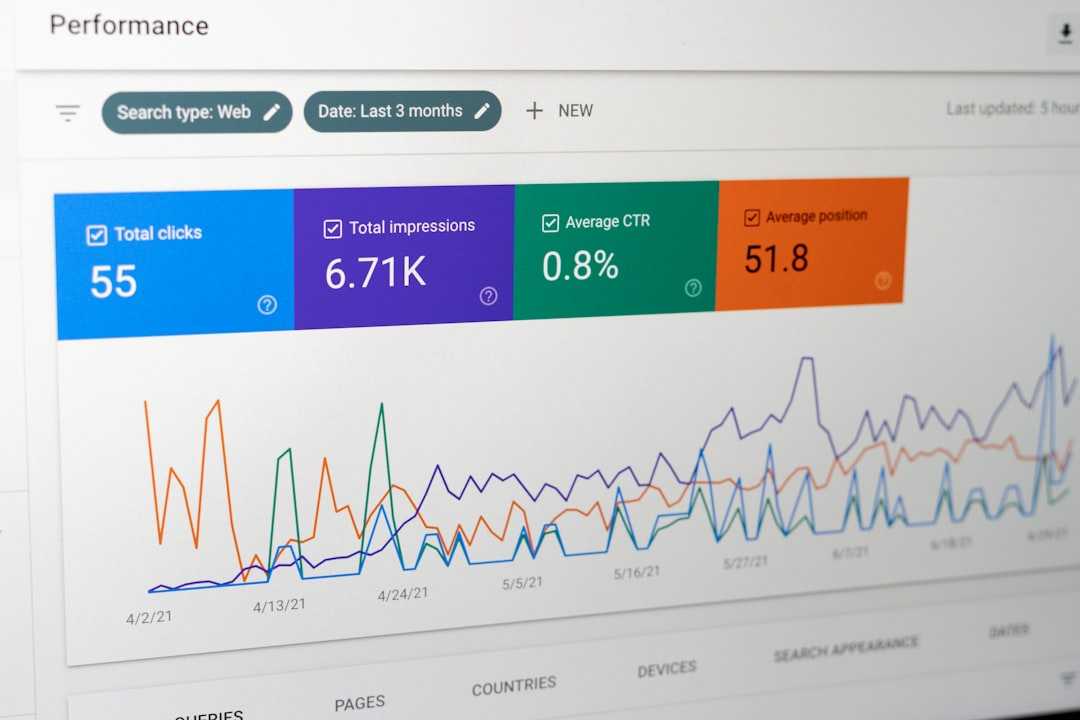
Most teams use Google Search Console. The Performance report shows clicks, impressions, CTR, and average position by query, page, country, device, and date.
How often should CTR be reviewed?
High-value pages should be reviewed monthly. Pages with recent title or meta changes should be checked after two to four weeks, depending on impression volume.
What is the fastest way to improve CTR?
The fastest fix is usually a better title tag. Strong titles match intent, offer a clear benefit, include useful specifics, and stand out from similar search results.