Clinical trials are the backbone of medical innovation, transforming promising laboratory discoveries into safe, effective treatments for patients. Yet behind every breakthrough therapy lies a complex web of regulations, documentation, coordination, and data analysis. Managing this intricate process manually is not only inefficient but risky. That is where Clinical Trial Management Software (CTMS) becomes essential—providing structure, transparency, and accuracy across every stage of a clinical study.
TLDR: Clinical Trial Management Software helps research teams manage studies efficiently while ensuring regulatory compliance and data accuracy. It centralizes documentation, automates workflows, and reduces errors that could jeopardize approval. From patient recruitment to financial tracking, a robust CTMS enhances oversight and accountability. Ultimately, it safeguards both research integrity and patient safety.
As regulatory requirements grow stricter and trials become more global, digital platforms are no longer optional. Sponsors, contract research organizations (CROs), and study sites rely on powerful CTMS platforms to streamline operations and minimize risk. Let us explore how this technology supports compliance and accuracy while improving overall trial management.
The Growing Complexity of Clinical Trials
Modern clinical trials involve multiple stakeholders:
- Sponsors funding the research
- Investigators and site staff conducting the trial
- Regulatory authorities overseeing compliance
- Participants volunteering for treatment
- Data management and monitoring teams validating results
Each group generates substantial documentation. Regulatory bodies such as the FDA, EMA, and other global agencies enforce strict standards for data handling, reporting, and patient safety. Failure to comply can result in fines, delayed approvals, or even the termination of a trial.

This complexity demands a centralized system that organizes documents, tracks milestones, and ensures real-time visibility into trial progress. Clinical Trial Management Software is designed precisely for this purpose.
What Is Clinical Trial Management Software?
A CTMS is a specialized digital platform that manages operational aspects of clinical research. Unlike electronic data capture (EDC) systems that focus solely on patient data, CTMS solutions oversee broader administrative and regulatory components.
Core functions typically include:
- Study planning and milestone tracking
- Site selection and management
- Patient recruitment oversight
- Regulatory document management
- Financial planning and budgeting
- Monitoring visit scheduling and reporting
- Audit trails and compliance tracking
By consolidating these operations into one platform, CTMS reduces redundancy, improves communication, and eliminates reliance on disconnected spreadsheets.
Ensuring Regulatory Compliance
Regulatory compliance is among the most critical aspects of clinical research. Authorities require precise documentation to demonstrate that trials adhere to ethical standards and Good Clinical Practice (GCP) guidelines. A CTMS supports compliance in several key ways.
1. Centralized Document Management
All essential documents—protocols, investigator brochures, informed consent forms, monitoring reports—are stored securely in a centralized repository. Automated version control prevents outdated documents from being used, which reduces errors and potential violations.
2. Automated Audit Trails
CTMS platforms maintain detailed logs of system activity. Every change, approval, and modification is recorded with timestamps and user identification. During inspections, these audit trails provide transparent documentation of compliance processes.
3. Regulatory Deadline Alerts
Missing regulatory deadlines can delay trials. Automated notifications ensure submissions, renewals, and reporting obligations are completed on time. This proactive alert system significantly lowers the risk of oversight.
4. Standardized Workflows
Pre-configured workflows ensure that every study follows consistent procedures. This consistency strengthens compliance and ensures no critical steps are skipped.
Improving Data Accuracy
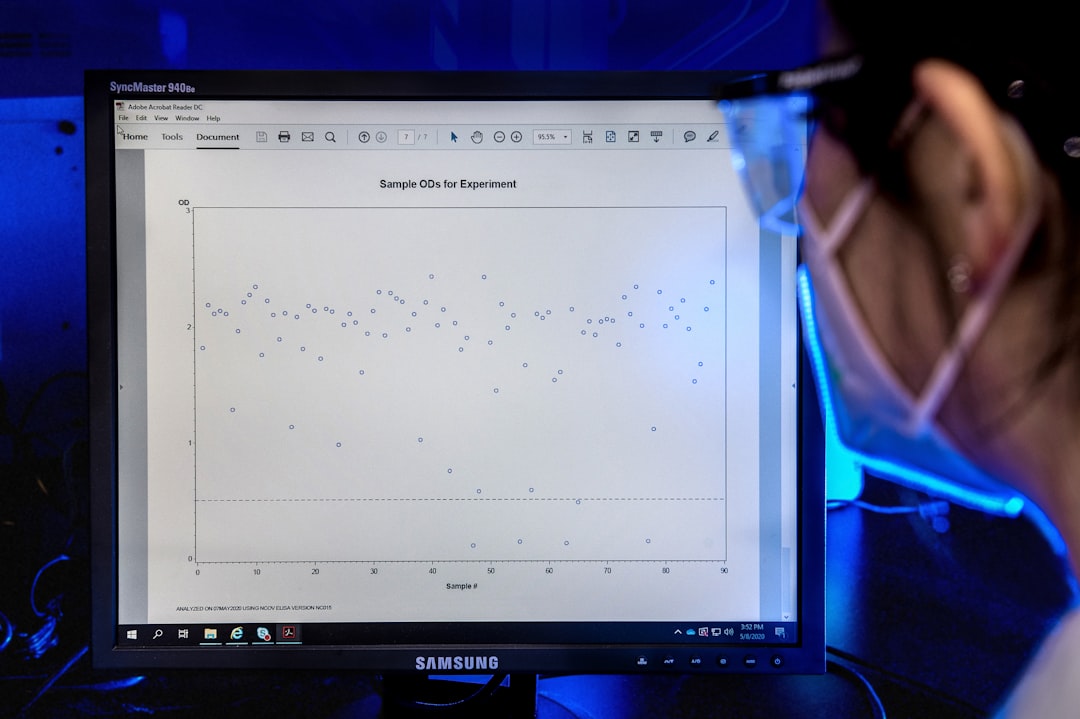
Accuracy in clinical trials is non-negotiable. Even minor discrepancies can affect study outcomes or regulatory approval decisions. CTMS platforms enhance accuracy through automation, integration, and validation tools.
Integrated Systems
Many CTMS solutions integrate with Electronic Data Capture (EDC), Laboratory Information Management Systems (LIMS), and Electronic Health Records (EHR). This reduces manual data entry and minimizes transcription errors.
Real-Time Monitoring
Dashboards provide real-time snapshots of key performance indicators (KPIs), enrollment rates, site performance, and financial metrics. Rapid identification of anomalies enables timely corrective action.
Error Reduction Through Automation
Automating repetitive tasks such as scheduling visits or calculating budgets minimizes human input errors. Built-in validation rules flag inconsistencies before they become larger problems.
Enhancing Patient Safety
Patient safety sits at the heart of every clinical trial. Compliance and accuracy are ultimately about protecting participants. CTMS contributes meaningfully to this goal.
- Adverse event tracking: Immediate documentation and escalation workflows.
- Protocol deviation management: Quick identification and corrective action.
- Informed consent tracking: Ensures properly signed and up-to-date consent forms are on file.
- Enrollment monitoring: Prevents over-enrollment or eligibility errors.
By maintaining visibility into safety metrics, sponsors and investigators can respond quickly to emerging risks.
Financial Transparency and Budget Control
Clinical research is expensive. Cost overruns often result from poor tracking and manual accounting processes. CTMS platforms provide sophisticated financial modules to manage budgets and payments.
Key Financial Features
- Budget forecasting and tracking
- Site payment automation
- Milestone-based invoicing
- Contract management
Greater financial transparency not only improves accountability but also ensures compliance with funding agreements and reporting obligations.
Popular Clinical Trial Management Software Solutions
Several market-leading CTMS platforms are widely used across pharmaceutical companies, CROs, and academic research institutions. Below is a comparison of notable solutions:
| Software | Best For | Key Strengths | Compliance Features |
|---|---|---|---|
| Oracle Siebel CTMS | Large enterprises | Scalable architecture, global trial support | Advanced audit trails, regulatory reporting tools |
| Medidata CTMS | Integrated clinical ecosystems | Seamless EDC integration, real time analytics | Automated compliance workflows |
| Veeva Vault CTMS | Cloud based organizations | User friendly interface, unified document management | Built in GCP compliance, inspection readiness dashboards |
| MasterControl CTMS | Regulated industries | Quality management integration | Strong document control and validation tracking |
Each platform offers unique strengths, but all aim to deliver centralized oversight, improved accuracy, and dependable compliance.
The Role of Artificial Intelligence and Automation
Emerging technologies are pushing CTMS capabilities even further. Artificial intelligence and advanced analytics are transforming trial oversight.
Image not found in postmeta- Predictive enrollment modeling: Forecasts recruitment timelines.
- Risk based monitoring: Identifies high risk sites automatically.
- Automated document classification: Speeds up filing and reduces manual work.
- Data anomaly detection: Flags suspicious patterns for review.
These technologies strengthen compliance by identifying vulnerabilities before they escalate into regulatory findings.
Challenges in Implementing CTMS
Despite its advantages, adopting new software comes with challenges:
- User resistance to change
- Training requirements
- System integration complexities
- Data migration risks
Successful implementation requires strategic planning, stakeholder buy-in, and thorough validation testing. Organizations must also conduct regular audits and maintain system updates to ensure continued compliance.
Best Practices for Maximizing Compliance and Accuracy
To fully leverage CTMS capabilities, organizations should:
- Standardize workflows before system configuration.
- Provide comprehensive training for all users.
- Conduct regular internal audits using system reports.
- Integrate complementary systems to eliminate silos.
- Monitor KPIs consistently through dashboards.
When paired with disciplined operational practices, CTMS becomes a powerful safeguard for research integrity.
The Future of Clinical Trial Management
As decentralized and hybrid trials become more common, CTMS platforms will continue evolving to support remote monitoring, telemedicine integration, and global collaboration. Cloud-based systems are making secure data access possible from anywhere, enhancing flexibility without sacrificing compliance.
Moreover, regulators increasingly expect digital transparency. Organizations using advanced CTMS tools are better prepared for inspections and audits, positioning themselves as reliable partners in the healthcare ecosystem.
Conclusion
Clinical trials are too important—and too complex—to manage without technological support. Clinical Trial Management Software serves as the operational backbone of modern research, ensuring regulatory compliance, protecting patient safety, and maintaining data accuracy. By centralizing information, automating workflows, and offering real-time visibility, CTMS empowers organizations to navigate regulatory demands confidently.
In a field where precision determines patient outcomes and regulatory approval, investing in reliable Clinical Trial Management Software is not just a strategic decision—it is a critical commitment to excellence in research.