Look up at the sky. It may seem calm and open. But behind the scenes, thousands of planes move through invisible highways every single day. Jets climb. Others descend. Some cross oceans. Some circle airports. All of them must be carefully spaced and timed. This is where air traffic control software tools step in. They help controllers see, think, decide, and act quickly.
TLDR: Air traffic control software helps manage thousands of flights safely and smoothly. Tools like STARS, TopSky, and SACTA give controllers real-time radar views, alerts, and planning support. These systems reduce delays and prevent collisions. Without them, modern air travel would slow down or even stop.
Let’s explore three powerful tools that help coordinate airspace. We’ll keep it simple. And maybe even a little fun.
1. STARS (Standard Terminal Automation Replacement System)
First up is STARS. This is widely used in the United States. The Federal Aviation Administration relies on it at many airports.
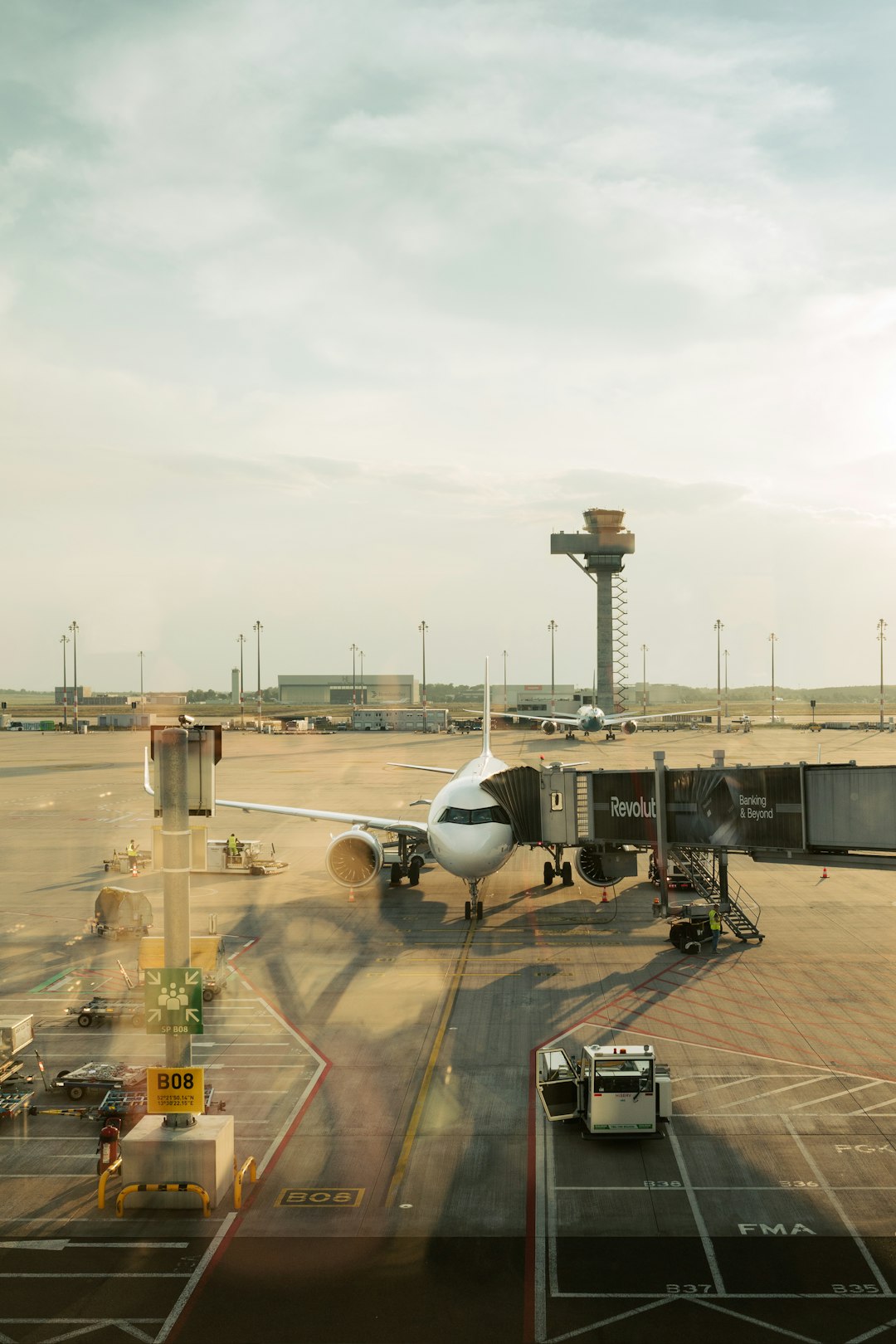
STARS focuses on what happens near airports. Think takeoffs and landings. This area is called terminal airspace. It is busy. Very busy.
Here’s what STARS does:
- Displays radar data in real time
- Tracks aircraft positions with high accuracy
- Shows flight numbers, speed, and altitude
- Warns controllers about possible conflicts
- Integrates weather data into the display
Imagine dozens of aircraft approaching a major airport like Atlanta or Chicago. Planes must be spaced safely. Usually three to five miles apart. STARS calculates and updates separation constantly.
If two aircraft get too close, the system highlights the problem. It may flash. It may change colors. Controllers see this instantly.
Why is this important?
Because humans are smart. But humans can get tired. Software adds an extra layer of protection.
Fun fact: A busy airport can handle more than 2,000 operations per day. Without automation tools like STARS, that number would drop sharply.
STARS also helps when weather changes quickly. If a storm cell moves across a runway path, controllers can reroute incoming aircraft fast. The visual display makes it easier to decide.
Think of STARS as a supercharged digital radar screen. It turns raw data into clear, usable information.
2. TopSky (by Thales)
Now let’s travel to Europe and beyond. Meet TopSky. This is an advanced air traffic management platform used in many countries.
TopSky handles both en route and approach control. That means it manages aircraft at cruising altitude and closer to airports.
Image not found in postmetaWhat makes TopSky special?
- Trajectory prediction technology
- Conflict detection several minutes ahead
- Electronic flight strips instead of paper
- Advanced coordination tools between sectors
- Scalability for small or large airspaces
Let’s break that down.
Trajectory prediction means the system calculates where an aircraft will be in the future. Not just now. It looks at speed, flight plan, winds, and altitude. Then it predicts the path.
If two projected paths cross at unsafe distances, an alert appears early. Sometimes 10 or even 20 minutes ahead. That gives controllers time to adjust speeds or altitudes smoothly.
This reduces last-minute turns. And it saves fuel.
Another big change is the move from paper strips to electronic flight strips. In the past, controllers used small paper strips with flight details. They moved them around physically. Today, TopSky displays this information digitally. It updates in real time.
This means:
- Less clutter
- Faster updates
- Better team coordination
TopSky also connects multiple control centers. So when an aircraft moves from one sector to another, information transfers instantly. No gaps. No confusion.
It is like a shared digital workspace for the sky.
3. SACTA (Air Traffic Control System by Indra)
Our third tool is SACTA. It is used in countries such as Spain and other regions around the world.
SACTA is built to handle large volumes of air traffic. Especially in areas with heavy tourism and seasonal peaks.
Image not found in postmetaHere is what SACTA brings to the table:
- Integrated radar and surveillance systems
- Automatic safety alerts
- Real-time flight data processing
- Military and civil traffic coordination
- Flexible system architecture
One of its strengths is handling both civilian and military aircraft in shared airspace. This can be tricky. Military flights may move unpredictably. Restricted zones may open or close quickly.
SACTA helps controllers manage these changes safely.
The system also gathers data from many sensors. Radar. Satellite-based ADS-B systems. Ground stations. All this data is fused into a single display.
Controllers see one clean picture instead of many fragmented ones.
That’s powerful.
Especially during peak summer travel. When thousands of flights cross southern Europe daily. Delays must be minimized. Safety must stay high.
How These Tools Compare
Let’s look at a simple comparison chart.
| Feature | STARS | TopSky | SACTA |
|---|---|---|---|
| Main Focus | Terminal airspace | En route and approach | Integrated national control |
| Used In | United States | Europe and global markets | Spain and international regions |
| Conflict Detection | Short-term alerts | Medium to long-term prediction | Real-time safety alerts |
| Flight Strip Format | Digital display | Electronic strips | Digital integrated data |
| Weather Integration | Yes | Yes | Yes |
| Military Coordination | Limited | Depends on setup | Strong integration |
Each tool has strengths. Some focus on busy airports. Others manage entire countries.
But all share one goal.
Keep aircraft safely separated.
Why Software Is So Critical
Air travel has grown massively. Every year, millions more passengers take to the skies.
Without advanced software tools:
- Delays would increase
- Fuel use would rise
- Controller workload would skyrocket
- Safety margins would shrink
Modern air traffic systems process thousands of data points per second. Humans alone cannot track that volume reliably.
Software acts like an assistant. It watches. It calculates. It warns.
But here’s something important.
The final decision always belongs to the human controller.
The software suggests. The human decides.
This teamwork makes aviation one of the safest forms of travel in the world.
The Future of Air Traffic Control Software
Technology keeps evolving.
Future systems may include:
- Artificial intelligence for smarter traffic flow prediction
- Remote digital towers controlling airports from far away
- Space-based tracking covering oceans fully
- Better integration with drones and urban air mobility vehicles
Drones are especially interesting. Thousands may soon operate in cities. Air taxis may follow.
That means even more coordination is needed.
The next generation of software will not just track airplanes. It may track flying taxis, delivery drones, and high-altitude balloons too.
The sky will become more crowded. But also smarter.
Final Thoughts
Airspace looks invisible. But it is carefully structured. Like highways in the sky.
Tools like STARS, TopSky, and SACTA make this structure possible. They organize traffic. Predict problems. Reduce workload. Improve safety.
Next time you fly, imagine the digital systems guiding your aircraft. Radar pulses. Data streams. Predictive algorithms. Controllers watching glowing screens.
It all works together in real time.
Quietly.
Efficiently.
Safely.
And that is the magic of modern air traffic control software.