Energy markets move fast. Prices jump in seconds. Deals are made in minutes. Behind the scenes, powerful software keeps it all together. Platforms like Trayport help energy traders buy and sell gas, power, oil, and environmental products smoothly. They connect buyers and sellers. They show prices in real time. They make complex markets easier to handle.
TLDR: Energy trading software like Trayport connects traders, brokers, and exchanges in one digital marketplace. It shows live prices, supports fast trades, and helps manage risk. These tools make energy markets more efficient and transparent. Without them, modern commodity trading would be slower and far more chaotic.
Let’s break it down in simple terms.
What Is Energy Trading Software?
Energy trading software is a digital platform. It helps people trade commodities like:
- Natural gas
- Electricity
- Oil
- Carbon credits
- Renewable energy certificates
Think of it as a super-smart marketplace. But instead of fruit and vegetables, people trade energy contracts.
These platforms show:
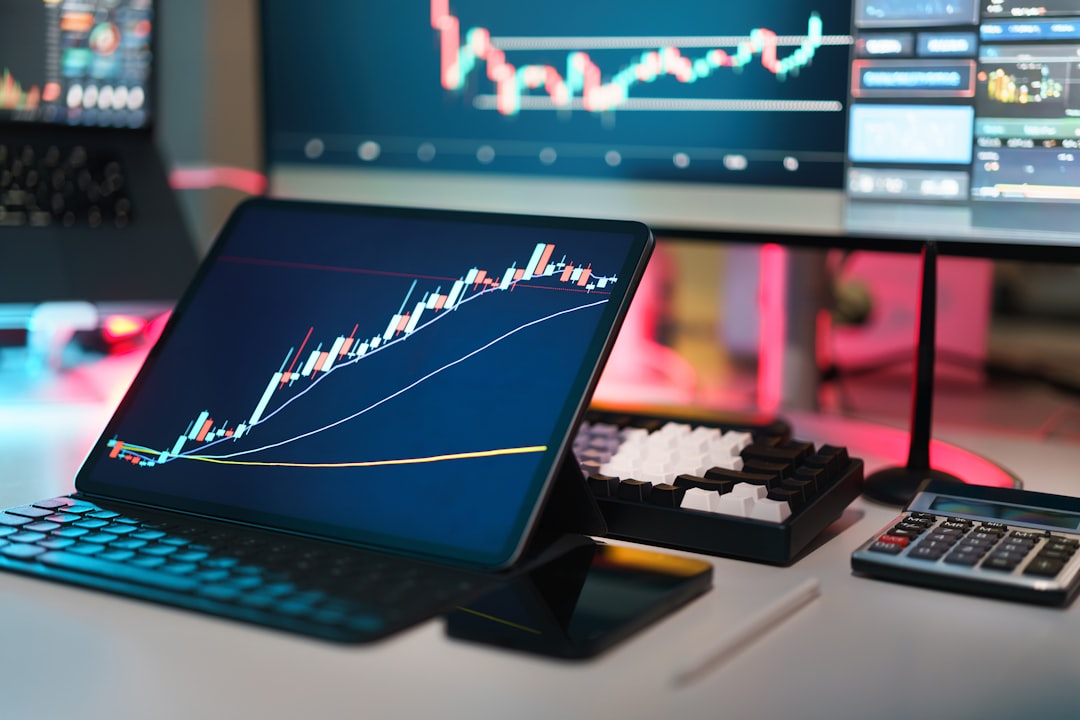
- Live prices
- Market depth
- Available buyers and sellers
- Trade history
- Risk positions
Everything is visible in one place.
Why Energy Markets Need Special Software
Energy is different from stocks.
You cannot store electricity easily. Gas prices change depending on weather. Oil reacts to global politics. Carbon credits depend on regulations.
It is complex.
Traders must:
- Watch multiple markets at once
- Understand regulations
- Manage physical delivery
- Handle futures and derivatives
- Control risk exposure
Doing this by phone and spreadsheets would be chaos.
That is where platforms like Trayport shine.
How Trayport-Style Platforms Work
Trayport is a hybrid trading platform. It connects brokers and exchanges. It lets traders see live prices and execute trades quickly.
Here’s a simple step-by-step example:
- A broker posts a gas price on the platform.
- Buyers see the price instantly.
- A trader clicks to accept the offer.
- The trade is confirmed electronically.
- Data flows to back-office systems.
This can happen in seconds.
Before software like this, much of it happened over the phone.
Main Features of Energy Trading Software
Let’s explore the key features that make these platforms powerful.
1. Real-Time Market Data
Prices update instantly. Traders see bids and offers as they appear. This improves speed and transparency.
2. Electronic Trade Execution
No paperwork. No delay. Trades are captured automatically.
3. Risk Management Tools
Traders can see exposure across markets. They know how much risk they carry.
4. Connectivity
These platforms connect:
- Exchanges
- Brokers
- Banks
- Energy companies
- Utilities
It creates a digital ecosystem.
5. Regulatory Reporting
Energy markets are heavily regulated. Software automates reporting requirements.
Who Uses This Software?
Many types of organizations rely on energy trading platforms:
- Energy producers – oil, gas, wind, solar companies
- Utilities – companies supplying electricity and gas
- Commodity traders – specialized trading firms
- Banks – offering energy derivatives
- Hedge funds – speculating on price movements
Each user has different goals. Some want to hedge risk. Others want to profit from price swings.
But they all need speed and accuracy.
Image not found in postmetaOther Platforms Similar to Trayport
Trayport is well known. But it is not alone. Several platforms operate in this space.
Here are a few:
- ICE Trading Platform
- CME Globex
- Nasdaq Commodities
- ION Markets
- FIS Energy Trading and Risk Management
Each platform has unique strengths.
Comparison Chart
| Platform | Focus Area | Strength | Ideal Users |
|---|---|---|---|
| Trayport | European gas and power | Broker connectivity and hybrid trading | Energy traders and utilities |
| ICE | Global commodities | Exchange trading and clearing | Institutions and large traders |
| CME Globex | Futures and derivatives | Deep liquidity | Hedge funds and banks |
| Nasdaq Commodities | Nordic power markets | Strong regional presence | European utilities |
| ION Markets | Risk management systems | Advanced analytics | Enterprise energy firms |
Some focus on pure exchange trading. Others specialize in over-the-counter markets. Trayport is known for blending both worlds.
The Role of Hybrid Trading
Hybrid trading combines:
- Voice brokerage
- Electronic execution
This is important in energy markets.
Some deals are complex. Traders negotiate terms by voice. Then they confirm through software.
This keeps flexibility while ensuring digital accuracy.
Risk Management: The Hidden Hero
Energy markets are volatile.
A cold winter spikes gas demand. A heatwave raises power prices. A war shifts oil markets.
Traders need real-time risk visibility.
Modern platforms provide:
- Value-at-risk calculations
- Position tracking
- Stress testing
- Credit limit monitoring
This prevents catastrophic losses.
It also satisfies regulators.
Automation and Integration
Energy trading software does not work alone.
It connects to:
- Back-office systems
- Clearing houses
- Accounting software
- Risk engines
- Data providers
Once a trade is done, it flows automatically through the system.
No retyping. Fewer errors.
This saves time and money.
The Rise of Renewable Energy Markets
The energy mix is changing.
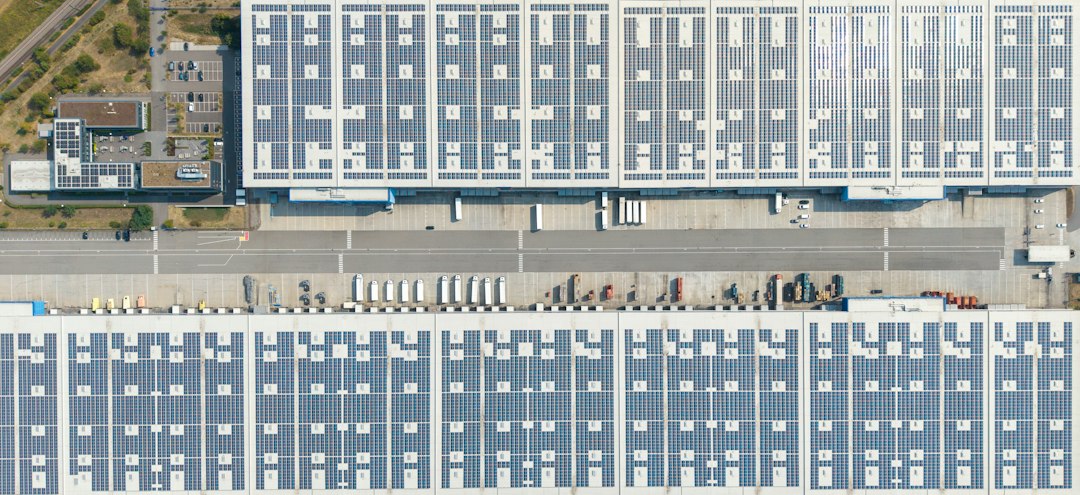
Wind and solar are expanding fast. Carbon trading is growing. Governments push for cleaner energy.
That creates new products:
- Green power certificates
- Emissions allowances
- Power purchase agreements
Energy trading software must adapt.
Platforms now support environmental commodities alongside traditional oil and gas.
Benefits of Using Platforms Like Trayport
Here’s what makes these systems valuable:
- Speed – Faster trade execution
- Transparency – Clear view of market activity
- Efficiency – Reduced manual work
- Connectivity – Access to broad liquidity pools
- Compliance – Automated reporting
In short, they reduce friction.
Markets function better when information flows freely.
Challenges and Considerations
No system is perfect.
Energy trading platforms face challenges:
- Cybersecurity threats
- Market fragmentation
- High implementation costs
- Training requirements
Large firms can handle these easily. Smaller firms may struggle with integration costs.
But over time, digital platforms usually pay for themselves through efficiency gains.
The Future of Energy Trading Software
The future is exciting.
Several trends are shaping the market:
1. Artificial Intelligence
AI helps forecast demand. It detects trading patterns. It improves risk models.
2. Cloud Technology
Platforms are moving to the cloud. This increases flexibility and scalability.
3. Increased Transparency
Regulators demand better data. Software will continue evolving to meet those needs.
4. Decentralized Energy Markets
As more homes produce power through solar panels, peer-to-peer energy trading may grow.
Software will be at the center of this transformation.
Why This All Matters
Energy powers everything.
Homes. Factories. Hospitals. Data centers.
If energy markets are inefficient, costs rise. If trading systems fail, supply can be disrupted.
Platforms like Trayport bring order to a complex world.
They turn millions of data points into clear opportunities.
They allow traders to act quickly. They help companies manage risk. They support the global energy supply chain.
Behind every light switch is a vast network of trades and contracts.
And behind many of those trades is sophisticated software making it all possible.
In simple terms: Energy trading software is the digital engine of modern commodity markets. It connects participants. It reduces errors. It speeds up transactions. And it keeps the energy flowing.
Without it, today’s fast-moving, interconnected energy world would look very different.