Influencer marketing has evolved from a niche tactic into a core growth strategy for brands looking to expand their reach, build trust, and engage new audiences. As social platforms become more crowded and consumer attention spans shrink, companies need robust tools that help them identify the right creators, manage campaigns efficiently, and measure performance accurately. That’s where influencer marketing platforms step in, offering scalable solutions that turn one-off collaborations into repeatable growth engines.
TL;DR: Influencer marketing platforms help brands discover creators, manage campaigns, and measure ROI at scale. The right platform simplifies influencer search, automates workflows, and provides detailed analytics to maximize brand awareness. This article explores four powerful influencer marketing platforms and compares their key features. A comparison chart and FAQ section at the end help brands choose the best solution for their needs.
Below are four influencer marketing platforms that help scale brand awareness effectively and sustainably.
1. Upfluence
Upfluence is an all-in-one influencer marketing platform designed for brands and e-commerce businesses seeking comprehensive campaign management. It centralizes influencer discovery, outreach, campaign tracking, and analytics in a single interface.
Why it stands out: Upfluence integrates directly with e-commerce platforms, allowing brands to identify influencers within their existing customer base. This is particularly powerful for scaling awareness through authentic advocacy.
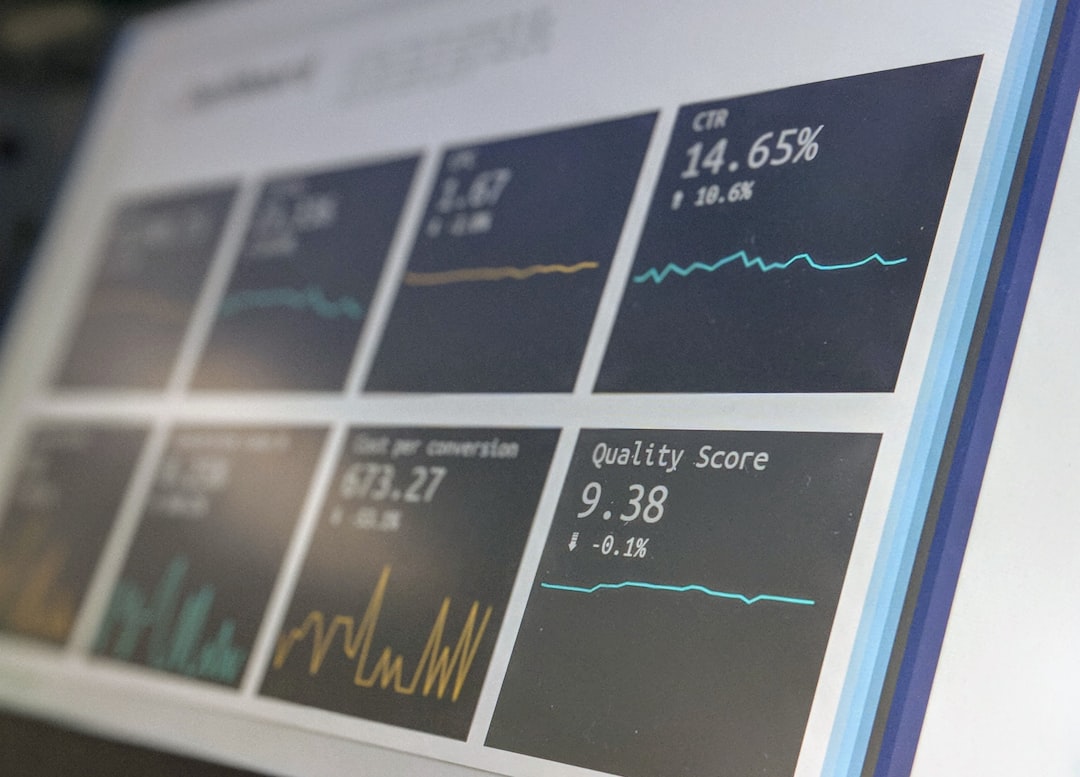
Key Features
- Advanced Search Filters: Filter influencers by audience demographics, engagement rate, niche, and platform.
- CRM Integration: Manage influencer relationships and communication in one place.
- E-commerce Integration: Connect with Shopify or WooCommerce to track sales and ROI.
- Campaign Automation: Automate workflows, emails, and reporting.
Best for: Mid-sized to large brands that want a data-driven and highly integrated solution.
Upfluence enables brands to move beyond manual spreadsheets and email outreach. By automating repetitive processes, companies can scale campaigns without dramatically increasing internal resources.
2. Aspire
Aspire (formerly AspireIQ) focuses on helping brands build long-term influencer relationships rather than one-off sponsored posts. It combines influencer discovery with content collaboration tools and performance tracking.
Why it stands out: Aspire emphasizes community building and brand ambassadorship, making it ideal for sustained awareness campaigns.
Key Features
- Creator Marketplace: Access a large network of vetted influencers across industries.
- Collaboration Tools: Manage contracts, briefs, and approvals in-platform.
- Content Library: Store and repurpose influencer-generated content.
- Performance Analytics: Monitor reach, engagement, and conversions.
Best for: Brands looking to build ambassador programs and long-term partnerships.
Aspire allows marketing teams to turn creators into brand advocates. By nurturing deeper relationships, brands can generate consistent messaging, repeated impressions, and higher credibility—key ingredients for scaled brand awareness.

3. CreatorIQ
CreatorIQ is an enterprise-grade influencer marketing platform built for large companies managing global campaigns. It leverages AI-powered technology and robust analytics to support complex marketing strategies.
Why it stands out: CreatorIQ offers advanced data insights and customizable workflows suited for enterprises with multiple markets and teams.
Key Features
- AI-Powered Discovery: Smart recommendations based on brand affinity and audience authenticity.
- Fraud Detection: Identify fake followers and suspicious engagement patterns.
- Global Campaign Management: Coordinate regional campaigns centrally.
- Enterprise Reporting: Detailed dashboards for executive-level insights.
Best for: Large global brands that require detailed analytics and cross-border management tools.
With influencer fraud on the rise, authenticity verification is critical for scaling awareness effectively. CreatorIQ’s validation systems reduce reputational risk while ensuring marketing budgets are invested wisely.
4. HypeAuditor
HypeAuditor is known for its analytics-first approach. While it supports campaign management, its core strength lies in influencer auditing and audience quality analysis.
Why it stands out: Brands gain deep insight into audience demographics, credibility scores, and engagement authenticity.
Key Features
- Audience Quality Score: Evaluate influencers based on authenticity and reach quality.
- Fraud Detection Tools: Identify fake followers and engagement pods.
- Competitive Benchmarking: Compare performance across competitors.
- Influencer Database: Search for creators across Instagram, YouTube, TikTok, and more.
Best for: Data-focused marketers who prioritize verifying influencer legitimacy before investment.
By filtering out inflated metrics and unreliable creators, HypeAuditor helps brands allocate resources toward effective partnerships. When scaling awareness campaigns, data-driven vetting becomes essential for protecting brand equity and maximizing reach.
Platform Comparison Chart
| Platform | Best For | Key Strength | Analytics Level | Enterprise Ready |
|---|---|---|---|---|
| Upfluence | E-commerce brands | CRM & sales integration | Advanced | Yes |
| Aspire | Ambassador programs | Relationship building | Advanced | Yes |
| CreatorIQ | Global enterprises | AI & enterprise analytics | Very Advanced | Yes |
| HypeAuditor | Data-driven marketers | Fraud detection & auditing | Very Advanced | Yes |
How to Choose the Right Platform
Selecting the best influencer marketing platform depends on several factors:
- Campaign Scope: Local vs. global campaigns require different capabilities.
- Budget Size: Enterprise tools often involve larger investments.
- Integration Needs: E-commerce or CRM integrations may be critical.
- Analytics Requirements: Some teams need high-level metrics, others require granular data.
- Team Size: Automation features help lean teams scale efficiently.
Brands aiming for rapid brand awareness growth should prioritize platforms that combine discovery tools, relationship management, and transparent performance tracking. Automation and real-time analytics dramatically reduce operational friction, allowing marketing teams to focus on strategy instead of administration.
Conclusion
Scaling brand awareness through influencer marketing is no longer a manual, unpredictable endeavor. Modern platforms provide the structure, data, and automation needed to transform influencer collaborations into measurable growth engines. Whether a brand seeks authentic ambassadors, enterprise-grade campaign management, or detailed fraud detection, there is a platform tailored to its needs.
Upfluence excels in e-commerce integrations, Aspire shines in community building, CreatorIQ delivers enterprise intelligence, and HypeAuditor leads in analytics verification. The right choice depends on strategic goals, budget, and operational complexity.
By investing in a suitable influencer marketing platform, brands move from experimental partnerships to scalable brand ecosystems—where awareness grows consistently, credibility strengthens, and customer acquisition becomes more efficient.
Frequently Asked Questions (FAQ)
1. What is an influencer marketing platform?
An influencer marketing platform is a software solution that helps brands discover influencers, manage campaigns, automate outreach, and track performance metrics across social media channels.
2. Why are influencer marketing platforms important for scaling brand awareness?
They streamline repetitive processes, provide data-driven insights, and enable brands to manage multiple campaigns simultaneously. This makes growth scalable rather than dependent on individual manual relationships.
3. Can small businesses use these platforms?
Yes. While some platforms are enterprise-focused, many offer scalable plans suitable for small and mid-sized businesses looking to grow efficiently.
4. How do these platforms measure ROI?
They track metrics such as impressions, engagement rates, clicks, conversions, and sales attribution. Some integrate directly with e-commerce systems for detailed revenue tracking.
5. Which platform is best for preventing influencer fraud?
Platforms like HypeAuditor and CreatorIQ are particularly strong in fraud detection and audience authenticity analysis.
6. Do influencer marketing platforms replace marketing teams?
No. They enhance marketing teams by automating administrative tasks and providing actionable data, enabling professionals to focus on strategy and creative direction.