Synthetic media—commonly known as deepfakes—has evolved from a curious technological novelty into a serious societal, corporate, and national security concern. Hyper-realistic fake videos, cloned voices, and AI-generated images can now convincingly mimic public figures, executives, and ordinary individuals. As these tools become more accessible, organizations and governments must rely on advanced detection systems to preserve trust, protect reputations, and safeguard critical operations. Synthetic media detection platforms are emerging as an essential line of defense in a rapidly shifting digital landscape.
TLDR: Synthetic media detection platforms use artificial intelligence, forensic analysis, and behavioral modeling to identify manipulated videos, audio, and images. These tools are critical for businesses, governments, and media organizations seeking to combat misinformation, fraud, and impersonation attacks. Effective platforms combine real-time monitoring, robust analytics, and forensic validation. As deepfake technology advances, continuous investment in detection solutions is vital to maintaining digital trust.
The Rising Threat of Deepfakes
Deepfakes are powered by generative AI models capable of synthesizing realistic media by learning patterns from large datasets. While the underlying technology can support innovation in entertainment, education, and customer engagement, its misuse introduces substantial risks.
Common malicious applications include:
- Executive impersonation scams using AI-cloned voices to authorize fraudulent transactions
- Political misinformation campaigns designed to manipulate public opinion
- Reputation attacks involving fabricated videos of high-profile individuals
- Identity theft through biometric spoofing and facial manipulation
The realism of today’s synthetic content makes manual detection increasingly unreliable. Human observers struggle to identify subtle artifacts or inconsistencies, particularly when deepfakes are distributed rapidly across social platforms. This is where detection platforms play a central role.
What Are Synthetic Media Detection Platforms?
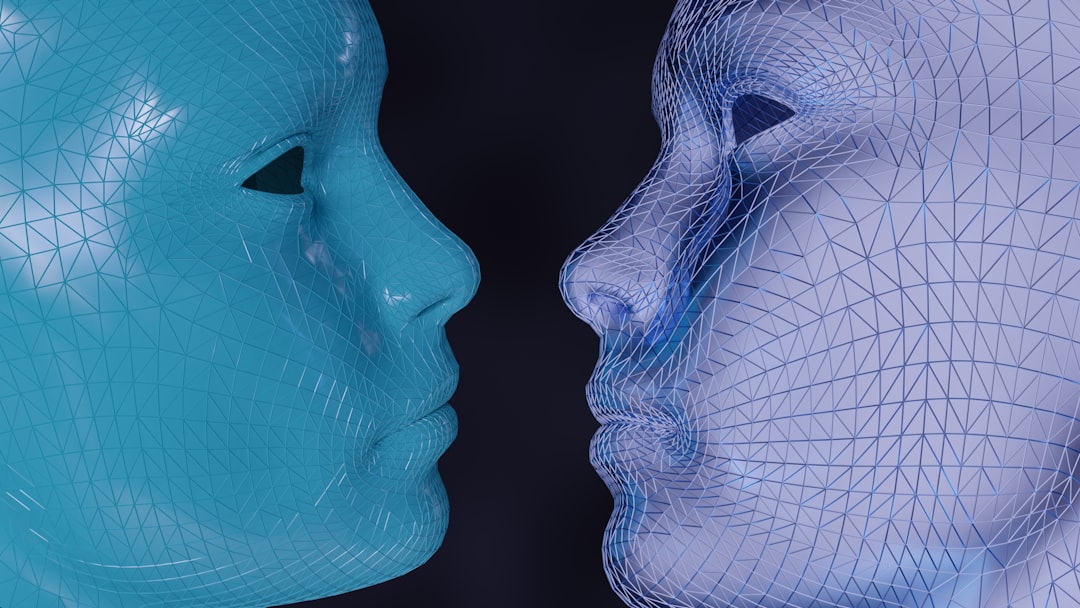
Synthetic media detection platforms are specialized software systems designed to analyze digital content and determine whether it has been altered or artificially generated. These platforms apply multiple layers of analysis, combining computer vision, audio forensics, machine learning, and metadata examination.
Most high-quality detection systems rely on:
- Deep learning classifiers trained to recognize manipulation patterns
- Facial landmark analysis to detect unnatural movements or distortions
- Audio waveform inspection to identify synthetic vocal signatures
- Pixel-level forensic scanning to reveal digital artifacts invisible to the human eye
- Metadata and provenance checks to trace content origin and editing history
Unlike basic video analysis tools, advanced detection platforms continuously update their models as generative techniques evolve. This adaptability is crucial because generative adversarial networks (GANs) and diffusion models improve with remarkable speed.
Core Capabilities of Effective Platforms
Not all detection systems are equal. Organizations evaluating synthetic media detection solutions should look for several core capabilities.
1. Real-Time Monitoring
Deepfake attacks often succeed by spreading quickly. Detection platforms that provide real-time or near-real-time analysis allow organizations to respond before misinformation gains traction.
This capability is especially important for:
- Financial institutions vulnerable to fraud
- Media outlets verifying user-generated content
- Political organizations monitoring disinformation campaigns
2. Multi-Modal Analysis
Sophisticated synthetic media may combine manipulated video and AI-generated audio. Effective platforms analyze both modalities simultaneously rather than relying on a single signal.
Multi-modal systems examine:
- Facial micro-expressions
- Speech cadence anomalies
- Lip synchronization mismatches
- Inconsistencies between lighting and shadow geometry
3. Scalability
Large enterprises process vast volumes of digital content daily. Detection tools must handle high throughput while maintaining accuracy. Cloud-native platforms and API-based integrations enable seamless scaling.
4. Forensic Reporting
Organizations often require evidence for legal or compliance purposes. Robust platforms provide detailed forensic reports outlining detected anomalies, probability scores, and supporting data visualizations.
Industry Applications
Financial Services
Financial institutions increasingly face voice cloning fraud, where attackers impersonate executives or clients. Detection platforms integrated into call verification systems can analyze voice patterns and flag anomalies before large transfers are approved.
Media and Journalism
Newsrooms must verify the authenticity of videos sourced from social media. Publishing manipulated footage damages credibility and erodes public trust. Synthetic media detection solutions provide an additional verification layer, complementing traditional fact-checking workflows.
Government and Defense
Nation-state actors may deploy deepfake campaigns to destabilize political systems or influence elections. Governments rely on detection platforms to identify coordinated disinformation operations and protect national security.
Corporate Security
Enterprises use detection systems to safeguard leadership teams from impersonation. Internal communication channels, investor webinars, and earnings announcements are potential targets for malicious manipulation.
How Detection Technology Works
Modern deepfake detection relies on identifying subtle irregularities left behind during synthetic generation. Even highly advanced generative models introduce microscopic inconsistencies.
Detection algorithms search for:
- Biological signal mismatches such as unnatural blinking frequency or pulse irregularities detectable through facial color changes
- Compression artifacts that differ from authentic camera recordings
- Spatial inconsistencies in reflections, shadows, or head positioning
- Temporal anomalies across video frames
Some platforms also employ digital watermark recognition and content provenance frameworks. Emerging standards embed cryptographic signatures at the point of capture, allowing verification systems to confirm authenticity through secure metadata chains.
Challenges in Synthetic Media Detection
Despite technological progress, detection platforms face significant obstacles.
The Arms Race Problem
Deepfake generation and detection evolve simultaneously. When detection algorithms adapt, generative models improve in response. This adversarial dynamic requires constant model retraining and innovation.
False Positives and Negatives
No system guarantees perfect accuracy. False positives may incorrectly label authentic content as manipulated, potentially causing reputational harm. Conversely, false negatives may allow deceptive content to pass undetected.
High-performing platforms mitigate this risk through ensemble models and probabilistic scoring rather than binary decisions.
Privacy and Data Governance
Analyzing biometric data, voiceprints, and facial features raises privacy concerns. Organizations deploying detection systems must comply with data protection regulations and implement robust security controls.
Evaluating a Synthetic Media Detection Platform
Before selecting a solution, decision-makers should assess several criteria:
- Model transparency: Does the provider explain how detection decisions are made?
- Update frequency: How often are detection models retrained?
- Independent testing: Has the platform been benchmarked against diverse datasets?
- Integration flexibility: Can it connect with existing cybersecurity infrastructure?
- Compliance readiness: Does it support regulatory requirements for auditability?
Organizations should also consider vendor expertise in AI research and digital forensics. A serious, long-term commitment to innovation is critical in a field characterized by rapid change.
The Role of Collaboration and Standards
Technology alone cannot eliminate the risks posed by synthetic media. Industry collaboration, regulatory guidance, and public awareness are equally important.
Collaborative initiatives focus on:
- Developing standardized authenticity protocols
- Sharing threat intelligence across sectors
- Promoting ethical AI development practices
- Strengthening digital literacy among the public
Content provenance frameworks—where media is cryptographically signed at creation—represent a promising advancement. When combined with detection platforms, provenance verification creates a layered defense model.
The Future of Deepfake Defense
As generative AI models grow more sophisticated, detection platforms will increasingly incorporate:
- Behavioral biometrics for enhanced identity validation
- Continuous authentication systems in corporate environments
- Blockchain-based media verification for immutable content records
- Federated learning models enabling secure cross-organization collaboration without compromising data privacy
Ultimately, combating deepfakes is not simply a technical challenge—it is a matter of institutional trust. Organizations that proactively invest in detection capabilities demonstrate a commitment to transparency and resilience.
Conclusion
Synthetic media detection platforms have become a critical component of modern cybersecurity strategies. Deepfakes threaten financial systems, political stability, journalistic integrity, and corporate reputation. Advanced detection technologies—leveraging AI, forensic analysis, and provenance tools—offer meaningful protection against these emerging risks.
However, detection systems must be continuously refined to keep pace with evolving generative capabilities. Organizations that prioritize proactive monitoring, cross-sector collaboration, and responsible deployment of detection technologies will be better positioned to maintain digital trust in an era defined by artificial content. In a world where seeing is no longer believing, reliable verification has become indispensable.