Affiliate marketing can feel like juggling flaming torches. There are links to manage, clicks to track, emails to send, and dollars to count. Do it right, and it is exciting. Do it wrong, and it is chaos. The good news? The right tools make everything smoother, faster, and more profitable.
TLDR: Affiliate marketing is much easier when you use the right tools. You need platforms for tracking links, managing content, building funnels, analyzing data, and collecting payments. The right mix saves time and boosts profits. Start simple, then scale as you grow.
Let’s break down six must-have affiliate tools and services that help you market smarter, track better, and monetize like a pro.
1. Affiliate Network Platforms
If affiliate marketing were a city, affiliate networks would be the marketplace. This is where brands and affiliates meet.
Platforms like these connect you to thousands of products. Physical goods. Digital courses. Software. Subscriptions. You name it.
Why you need one:
- Easy access to affiliate programs
- Built-in tracking links
- Automated commission payouts
- Real-time performance reports
Instead of chasing brands one by one, you join a network and start promoting right away.
Most platforms give you:
- Custom affiliate links
- Banner ads
- Email swipe copy
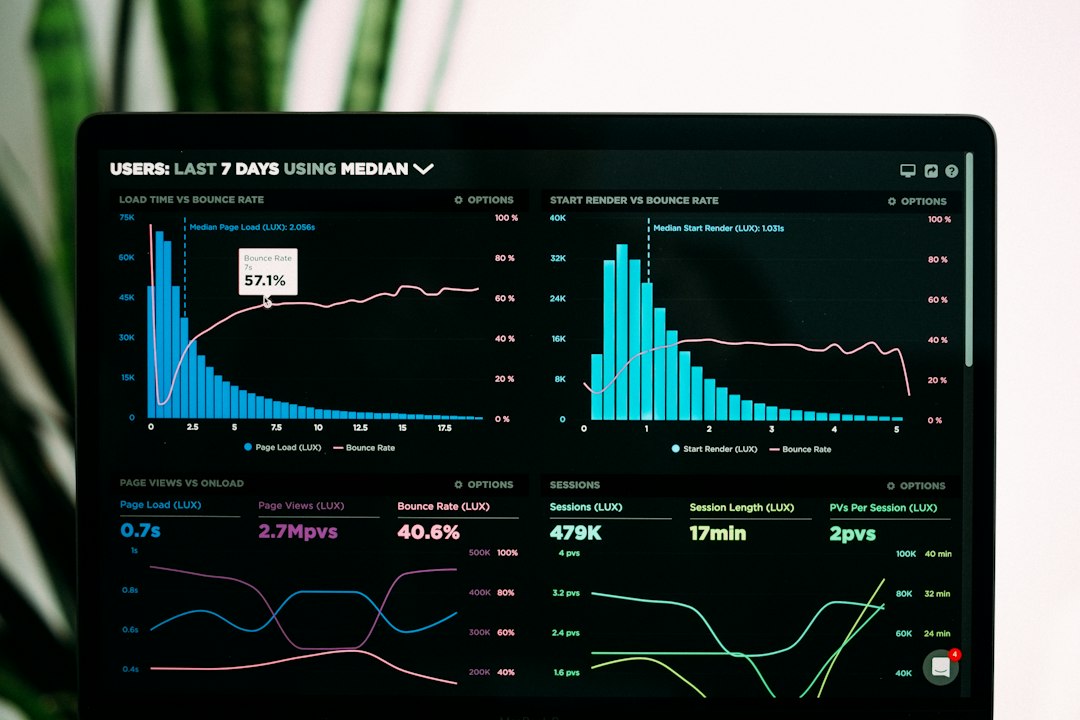
- Performance dashboards
Simple tip: Start with one network. Learn how it works. Then expand later.
Look for networks that offer:
- Reliable tracking
- Clear payment terms
- Strong brand reputation
- Products that match your niche
Without a good network, you have no products to promote. So this is step one.
2. Link Tracking And Management Tools
Affiliate links can look messy. Long strings of random letters and numbers. Not pretty. Not trustworthy.
That’s where link tracking tools come in.
These tools let you:
- Shorten links
- Customize URLs
- Track clicks
- Measure conversions
Instead of sharing a giant link, you create something clean like:
yourwebsite.com/recommends/tool
Much better.
But tracking tools do more than make links pretty.
They show:
- Where clicks come from
- Which pages convert best
- What devices visitors use
- Which campaigns make money
This data is gold.
Imagine promoting three products. One gets 500 clicks and no sales. Another gets 200 clicks and 20 sales. Without tracking, you might not notice the difference.
Tracking helps you double down on winners.
Many tools also offer:
- A/B split testing
- Link rotation
- Conversion pixels
If you are serious about optimization, this tool is non-negotiable.
3. Email Marketing Software
Here’s a truth many beginners ignore: the money is in the list.
Social media followers can disappear. Algorithms change. Platforms shut down. But your email list? That’s yours.
Email marketing tools help you:
- Collect emails
- Create opt-in forms
- Build automated sequences
- Send broadcast campaigns
Why does this matter for affiliates?
Because most people do not buy on the first click.
They need:
- Education
- Trust
- Reminders
With email automation, you can:
- Welcome new subscribers
- Share helpful tips
- Introduce affiliate products naturally
- Follow up with bonuses

A simple affiliate email funnel might look like this:
- Free guide or checklist
- Value-packed email series
- Product recommendation
- Case study or testimonial
- Limited-time bonus offer
Short emails. Clear message. Strong call to action.
Pro tip: Focus on helping first. Selling second. Trust leads to clicks. Clicks lead to commissions.
4. Funnel Builders And Landing Page Tools
Sending traffic directly to an affiliate link works sometimes.
But sending traffic to your own landing page works better.
Why?
Because you control the message.
Landing page and funnel tools let you:
- Create high-converting pages
- Capture leads
- Pre-sell products
- Add bonuses
You do not need coding skills. Most builders use drag-and-drop editors.
A simple affiliate funnel looks like this:
- Ad or blog post
- Landing page with lead magnet
- Email follow-up
- Affiliate offer
This structure can multiply your results.
Instead of one chance to convert, you get many.
Good landing page tools also provide:
- Templates
- Mobile optimization
- Split testing
- Conversion analytics
More control equals more profit.
Plus, owning your funnel protects you if an affiliate program changes its terms. You still have your audience.
5. Analytics And Data Tracking Tools
If you are not tracking, you are guessing.
And guessing is expensive.
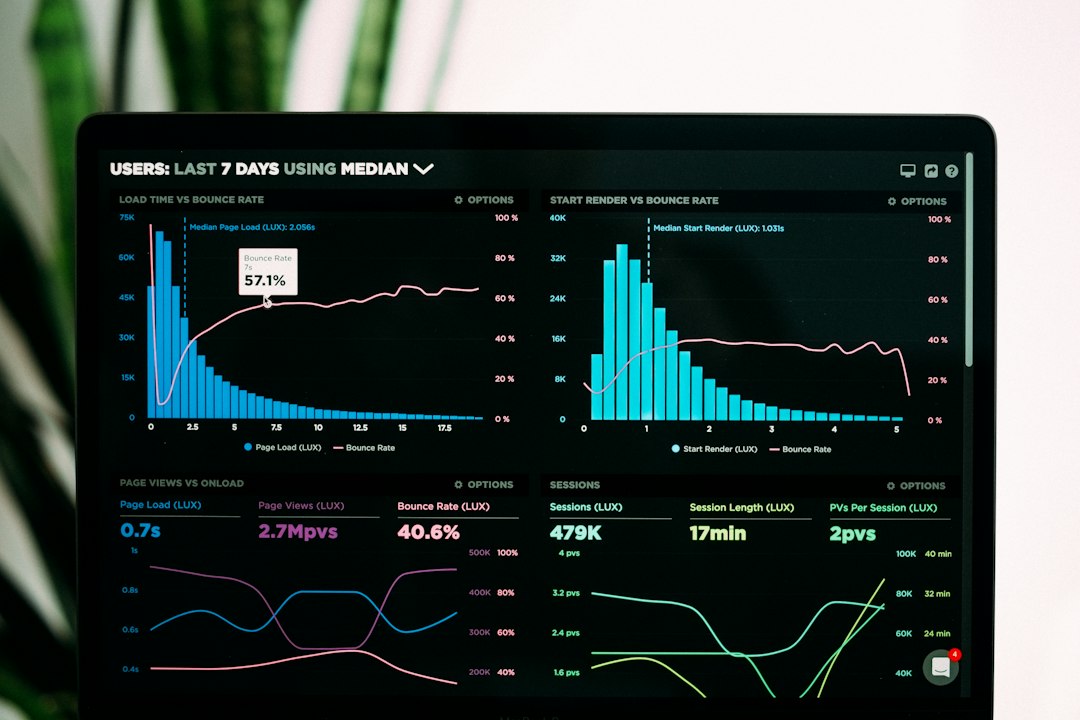
Analytics tools help you understand:
- Traffic sources
- User behavior
- Top-performing pages
- Bounce rates
- Conversion paths
This is where strategy gets smarter.
For example:
- If blog posts convert better than social media, create more blog content.
- If mobile users bounce quickly, optimize your site speed.
- If one traffic source is cheap and profitable, scale it.
Data shows patterns. Patterns show opportunities.
Many tools also integrate with:
- Ad platforms
- Email software
- Affiliate dashboards
When everything connects, you see the full picture.
Simple habit: Check your numbers weekly. Not yearly. Small improvements add up.
6. Payment And Monetization Services
You worked hard. Now you want to get paid.
Most affiliate networks handle payouts for you. But smart affiliates diversify.
Why stop at commissions?
Add extra revenue streams like:
- Digital products
- Consulting calls
- Memberships
- Exclusive bonuses
Payment processing tools allow you to:
- Accept credit cards
- Manage subscriptions
- Handle refunds
- Track revenue
Hybrid monetization is powerful.
For example:
You promote a software product as an affiliate. Then you offer a paid mini-course that teaches people how to use it. Now you earn:
- Affiliate commission
- Course revenue
That’s leverage.
Plus, owning products builds authority. You become more than a promoter. You become a creator.
How These Tools Work Together
Individually, each tool is useful.
Together, they are unstoppable.
Here’s a simple ecosystem:
- You join an affiliate network.
- You build a landing page.
- You capture emails.
- You send automated value emails.
- You track clicks and conversions.
- You analyze results.
- You optimize and scale.
It becomes a loop.
Traffic in. Data collected. Revenue out.
Over time, small improvements create big gains.
Keep It Simple When Starting
Do not buy every shiny new tool.
Start with:
- One affiliate network
- One email platform
- One link tracker
Master those first.
Then add landing pages. Then advanced analytics. Then extra monetization.
Complex systems do not make money. Optimized systems do.
Final Thoughts
Affiliate marketing is not magic. It is systems.
The right tools help you:
- Market smarter
- Track accurately
- Convert consistently
- Scale confidently
Think of these six tools as your toolkit:
- Affiliate networks bring opportunities.
- Link trackers bring clarity.
- Email software builds relationships.
- Funnels increase conversions.
- Analytics reveal insights.
- Payment services maximize revenue.
You do not need to be a tech wizard. You just need a simple plan. Start small. Track everything. Improve slowly.
Affiliate success is not about luck. It is about using the right tools in the right way.
Build smart systems today. Let them work for you tomorrow.