For anyone using a Mac laptop—whether you’re a student, a creative professional, or a casual user—understanding the display’s refresh rate can play a major role in your overall experience. From smoother animations to better responsiveness during gaming or video editing, refresh rate matters more than most people realize.
TLDR: Most MacBook models support a standard refresh rate of 60Hz, which is great for general use, but newer models, especially with ProMotion technology, support up to 120Hz for smoother visuals. MacBook Pro models introduced in late 2021 with mini-LED displays are the first to natively support variable refresh rates up to 120Hz. Compatibility can vary depending on macOS versions and external monitor capabilities.
What Is Refresh Rate?
Refresh rate, measured in hertz (Hz), is the number of times per second a screen updates its image. A 60Hz display refreshes the image 60 times per second, while a 120Hz display does so 120 times per second. The higher the refresh rate:
- Smoother animations
- Less motion blur
- Improved user experience, especially for video editors and gamers
In the world of Mac laptop displays, the refresh rate plays a significant role in user satisfaction, particularly for those engaged in visual content creation or high-performance use cases.
Refresh Rates on Various MacBook Models
Apple’s lineup of laptops has evolved significantly over the years, and so has the display technology. Here’s a breakdown of the refresh rate support across some popular MacBook categories:
1. MacBook Air
All MacBook Air models, including those with M1 and M2 chips, come with Retina displays that support a standard refresh rate of 60Hz. This refresh rate is sufficient for daily workflows like browsing, working on documents, and streaming content. However, it’s not ideal for high-frame-rate gaming or pro-level video editing.
2. MacBook Pro (Pre-2021)
Older MacBook Pro models (pre-2021) typically feature Retina displays capped at 60Hz. While these displays offer excellent color accuracy and brightness, they don’t benefit from higher refresh rates. This includes MacBook Pro models with Intel processors and the early M1-based versions.
3. MacBook Pro (2021 and newer)
The real leap came with the release of the 14-inch and 16-inch MacBook Pro models in late 2021. These models introduced the Liquid Retina XDR displays with mini-LED technology and, more importantly, ProMotion support for refresh rates up to 120Hz.
The refresh rate on these displays is adaptive, meaning it can dynamically adjust between 24Hz and 120Hz depending on the content being displayed. This helps save battery life while delivering a smoother experience during fast-paced activities like scrolling, gaming, or editing 4K footage.

ProMotion Technology Explained
ProMotion was first introduced in iPads and later iPhones, but has now made its way to premium MacBook Pros. What makes it stand out?
- Adaptive refresh rate: Adjusts in real-time depending on the activity
- Up to 120Hz refresh rate: Provides ultra-smooth visuals where needed
- Battery efficiency: Lowers the refresh rate when high performance isn’t required
This is particularly beneficial for creative professionals working in Final Cut Pro, Adobe Premiere Pro, or even designers sketching and animating in 2D and 3D software packages. Even for regular users, the difference in scroll fluidity across the macOS interface is instantly noticeable.
How to Check and Change Refresh Rate on MacBooks
Not all users may even know they can check or alter the refresh rate. Here’s how to do it if you’re on a compatible model:
- Go to System Settings
- Click on Displays
- Hold down the Option key and click on the Display Settings button
- If your Mac supports variable refresh rates, you’ll see options like 60Hz, 59.94Hz, or 120Hz in a dropdown menu
Note: Choosing a fixed 60Hz can sometimes help with battery consumption if you’re not performing graphics-intensive tasks.
Refresh Rates for External Monitors
Your MacBook isn’t limited to its built-in screen. Many professionals connect external monitors for multitasking or creative work. Here’s what you need to know:
HDMI & DisplayPort Support
Depending on the MacBook model, you can connect external displays via:
- Thunderbolt (USB-C)
- HDMI (on 14/16-inch MacBook Pros)
These ports can drive external displays at refresh rates of up to:
- 4K @ 60Hz over HDMI
- 4K @ 144Hz or 5K/6K @ 60Hz over Thunderbolt with DisplayPort 1.4
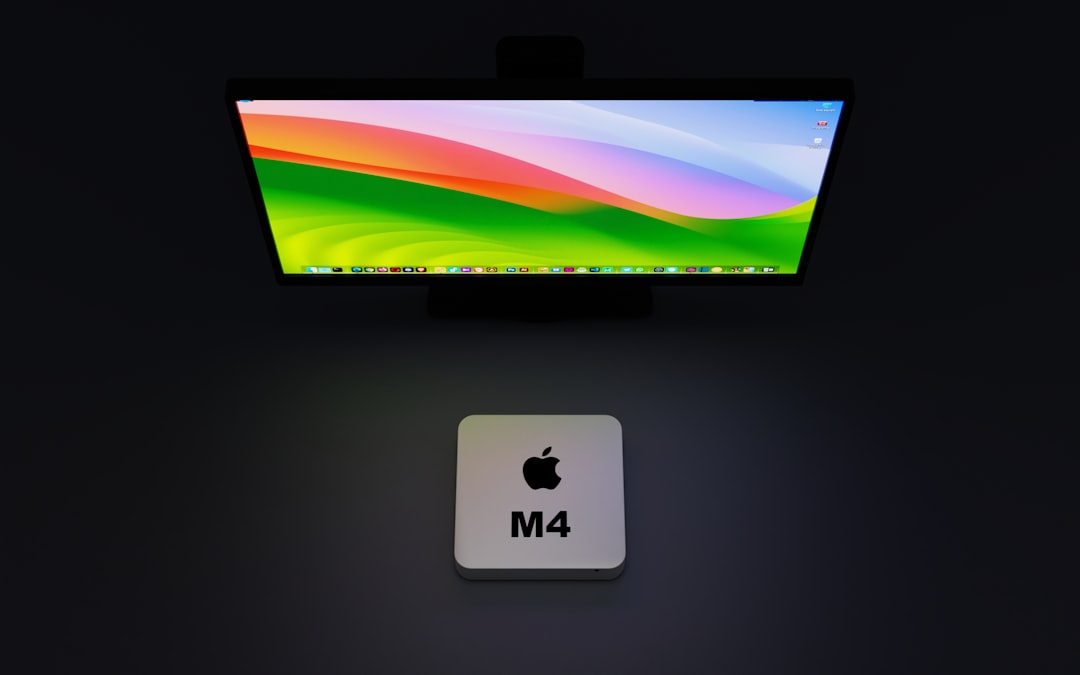
Keep in mind that achieving high refresh rates externally often requires compatible monitors and the right cables. Not all HDMI cables can support 4K at 120Hz, for instance. For those who need exceptional display performance, Apple’s Pro Display XDR works seamlessly with newer MacBook Pros, offering stunning resolution and refresh rates.
Are High Refresh Rates Always Better?
While a higher refresh rate does improve visual smoothness, it’s not always necessary. Here’s a quick guide to when it actually matters:
- Casual users: Browsing and streaming are fine at 60Hz.
- Gamers: Need 120Hz+ for smoother visuals and lower input lag.
- Video editors: Higher refresh rates help with timeline scrubbing and preview playback.
- Graphic designers: May benefit from smoother transitions and more responsive design tools.
So before making a decision or spending extra on a high-refresh-rate external monitor, evaluate your actual needs.
Compatibility Considerations
Some users have experienced compatibility issues with certain apps, especially when switching between refresh rates or using external displays. Here are some tips to keep your MacBook running smoothly:
- Keep macOS updated — Apple often fixes display bugs in system updates
- Use manufacturer-recommended cables for external displays
- Ensure third-party apps are updated for ProMotion and high refresh-rate support
Conclusion
The refresh rate of a Mac laptop is more important than ever given the demands of today’s media-rich workflows. Apple has made big strides by introducing ProMotion displays in the 2021 MacBook Pros, raising the ceiling from standard 60Hz to a buttery-smooth 120Hz. While not all tasks require a high refresh rate, the extra smoothness and responsiveness can significantly enhance user satisfaction.
Whether you’re a casual user wondering why your display scrolls so smoothly or a creative professional maximizing every pixel and frame, understanding refresh rates helps you make informed choices about your device and peripherals.
Ready to upgrade your visual experience? Keep a close eye on your Mac’s refresh rate capabilities—it’s a display evolution that’s hard to unsee.