A good subscribe confirmation message should tell the user what happened, what to do next, and what they will receive. Keep it short, specific, and calm. The best messages reduce doubt at the exact moment a person has trusted you with an email address.
TLDR: Use a clear subject line, confirm the signup, and explain the next step in plain language. For example: “You’re subscribed. Please check your inbox and confirm your email to receive weekly finance tips every Tuesday.” In a small ecommerce newsletter test with 10,000 signups, a direct confirmation message raised completed double opt-ins from 61% to 74%. A user named Maya who signed up for a product waitlist should know within seconds whether she is subscribed, whether she must click a link, and when the first email will arrive.
What a subscribe confirmation message must do
A subscribe message is not just a polite receipt. It is a trust signal. It confirms that the form worked, sets expectations, and protects your list from fake or mistyped emails.
The catch is that many signup flows waste the user’s attention. They show vague text like “Success!” and leave the person guessing. Did the signup work? Is there an email to confirm? Will they get daily sales emails? That uncertainty costs clicks.
A strong confirmation text should answer three questions:
- Was the signup successful? Say this clearly.
- Is another step required? If yes, state it immediately.
- What will the subscriber receive? Include frequency, topic, or benefit.
Short confirmation text examples
Short messages work well below signup forms, in popups, and on landing pages. They should be easy to read in two seconds.
- General newsletter: “You’re subscribed. We’ll send useful updates to your inbox once a week.”
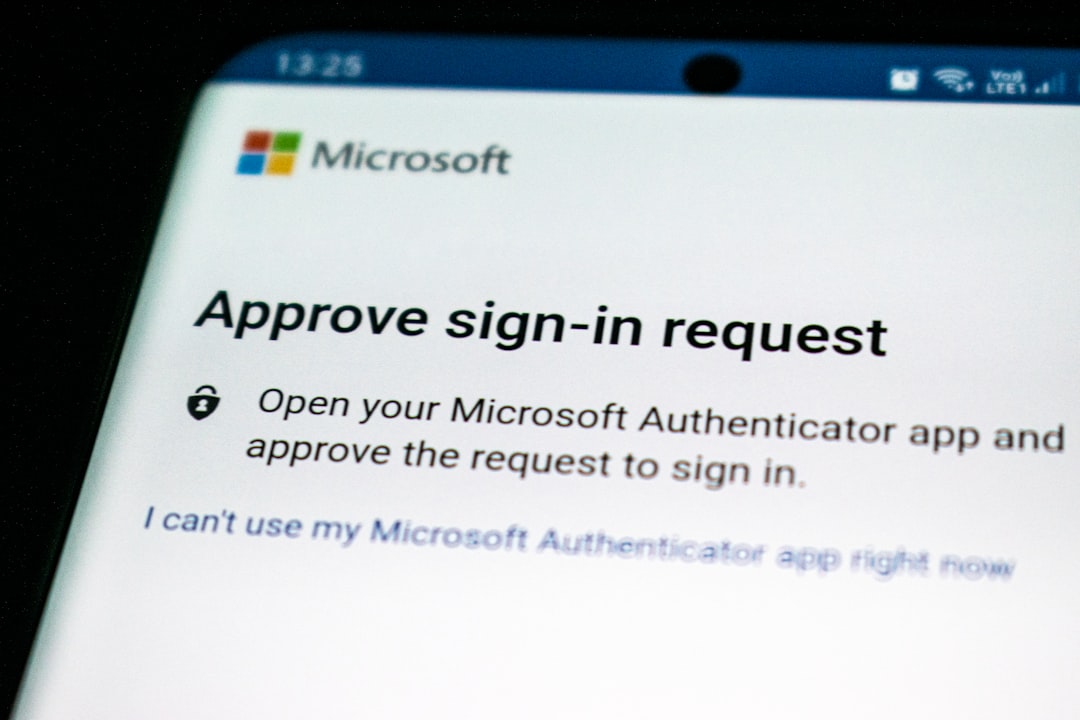
- Double opt-in: “Almost done. Please check your inbox and click the confirmation link.”
- Discount signup: “Thanks for subscribing. Your 10% discount code is on its way.”
- Waitlist signup: “You’re on the waitlist. We’ll email you when early access opens.”
- Content download: “Your guide is ready. Check your inbox for the download link.”
These examples are plain, but that is the point. Users do not need charm at this stage. They need certainty.
Email confirmation subject line examples
The subject line must make the email easy to find. This matters even more when double opt-in is required. If the subject line is too clever, people miss it or ignore it.
- “Please confirm your email subscription”
- “Confirm your newsletter signup”
- “One more step: confirm your email”
- “Your subscription confirmation link”
- “Confirm to receive weekly updates”
Avoid subject lines that sound like ads. “You won’t believe what happens next” may get attention, but it weakens trust. Confirmation emails should feel official and safe.
Double opt-in confirmation message examples
Double opt-in means the subscriber must confirm their email address before joining the list. It reduces spam signups and helps prove consent. It also improves list quality because only interested people finish the process.
Use text like this on the page after signup:
Almost finished.
We sent a confirmation email to your inbox. Please click the link inside to complete your subscription. If you do not see it within two minutes, check your spam or promotions folder.
Use text like this inside the confirmation email:
Please confirm your subscription
Thanks for signing up for our newsletter. Click the button below to confirm your email and receive weekly updates.Button text: Confirm my subscription
Honestly, it feels like some email tools make this harder than it should be. A missing preview, a buried confirmation setting, or a slow test send can add 12 seconds here and 30 seconds there. That sounds small, until your team repeats the same checks every week.
Single opt-in confirmation message examples
Single opt-in adds the person to the list as soon as they submit the form. It is faster for users, but it can allow more invalid addresses. If you use it, be extra clear about what happens next.
- Professional services: “You’re subscribed. You’ll receive practical business updates twice a month.”
- Retail brand: “Welcome. Your discount code will arrive in a few minutes.”
- Software trial: “Thanks for signing up. We’ll send setup tips and product updates to this email address.”
- Event updates: “You’re on the list. We’ll send event reminders and schedule updates as they are released.”
Do not hide the frequency. If people expect one useful email a month and receive five sales emails in a week, they unsubscribe. Worse, they mark the message as spam.
Best practices for trustworthy confirmation text
Trustworthy confirmation copy is specific. It does not overpromise. It does not pressure the reader. It respects consent.
- Use the subscriber’s email address when possible. Example: “We sent a confirmation link to alex@example.com.” This helps users catch typos.
- Say when the email should arrive. Use phrases like “within a few minutes” or “shortly.”
- Tell users where to look. Mention spam, junk, or promotions folders when confirmation is required.
- Use a clear button label. “Confirm subscription” beats “Continue” because it describes the action.
- Include unsubscribe reassurance. A short line such as “You can unsubscribe at any time” reduces fear.
Legal rules vary by region, but consent should never be vague. If the person is signing up for product updates, do not quietly add them to partner offers. That is how trust breaks.
Confirmation page examples by use case
Different signup offers need different confirmation messages. The structure remains the same, but the details change.
Newsletter signup
Thanks for subscribing.
You’ll receive our weekly newsletter every Thursday. We focus on practical tips, product news, and selected resources. You can unsubscribe at any time.
Lead magnet or report download
Your report is on the way.
We sent the download link to your inbox. If you do not see it within a few minutes, check your spam or promotions folder.
Webinar registration
You’re registered.
We sent the webinar details and calendar link to your email. You’ll also receive reminder emails 24 hours and 1 hour before the session.
Product launch waitlist
You’re on the waitlist.
We’ll email you when early access opens. Waitlist members will receive launch details before the public release.
Common mistakes to avoid
Weak confirmation messages often fail for simple reasons. They are vague, too long, or too focused on the brand instead of the user.
- Do not write only “Thank you.” It sounds polite, but it gives no useful information.
- Do not use fake urgency. Confirmation is not the place for pressure tactics.
- Do not bury the next step. If confirmation is required, say so in the first line.
- Do not send from a strange sender name. Use a recognizable brand or person.
- Do not skip mobile testing. Many users confirm subscriptions on phones.
A clean confirmation flow can protect revenue. If 30,000 people sign up each month and 8% fail to confirm because the instruction is unclear, that is 2,400 lost subscribers. A better message cannot fix every problem, but it can recover a meaningful share.
A simple template you can adapt
Use this structure when you need a reliable starting point:
[Status message]
Thanks for signing up for [newsletter, offer, waitlist]. We sent [confirmation link, download link, welcome email] to [email address]. Please [next step]. You will receive [content type] [frequency]. You can unsubscribe at any time.
Example:
Almost done.
Thanks for signing up for Market Notes. We sent a confirmation link to your inbox. Please click it to complete your subscription. You’ll receive one market summary every Friday. You can unsubscribe at any time.
The safest rule is simple: write the confirmation message as if the subscriber is busy, cautious, and deciding whether to trust you. Tell them what happened. Tell them what comes next. Then stop.