Among Seiko’s many inventive timekeeping products, the Seiko Rotocall occupies a small but fascinating corner of collecting history. It is best remembered as a compact world time clock designed to help its owner compare time zones quickly, especially during an era when international telephone calls required more planning than they do today. With its rotating city or time-zone display, practical alarm functions, and unmistakably vintage Seiko styling, the Rotocall reflects the brand’s talent for making useful objects feel clever, durable, and modern.
TLDR: The Seiko Rotocall is a vintage Seiko world time desk or travel clock associated with international calling, time-zone comparison, and practical alarm use. Its key appeal lies in its rotating time display, compact design, and period-correct Seiko engineering. Collectors value it because it represents a time when mechanical and quartz clocks were becoming more user-friendly, portable, and globally minded. Although exact versions vary, the Rotocall remains admired for its blend of function, charm, and Japanese design discipline.
A Product of a More Connected World
The Seiko Rotocall emerged from a period when global communication was expanding rapidly. Business travel, overseas family connections, international shipping, and long-distance calling were becoming more common. However, checking the time in another country was not as simple as glancing at a smartphone. A person often needed a printed time-zone chart, a wall map, or a dedicated world time clock.
Seiko, already known for watches, clocks, and electronic timing innovation, was well positioned to answer that need. The Rotocall was part of the broader category of world time clocks, devices that allowed users to compare local time with the time in major cities around the globe. Its name suggests its intended purpose: a rotating system used to help determine when to place a call.
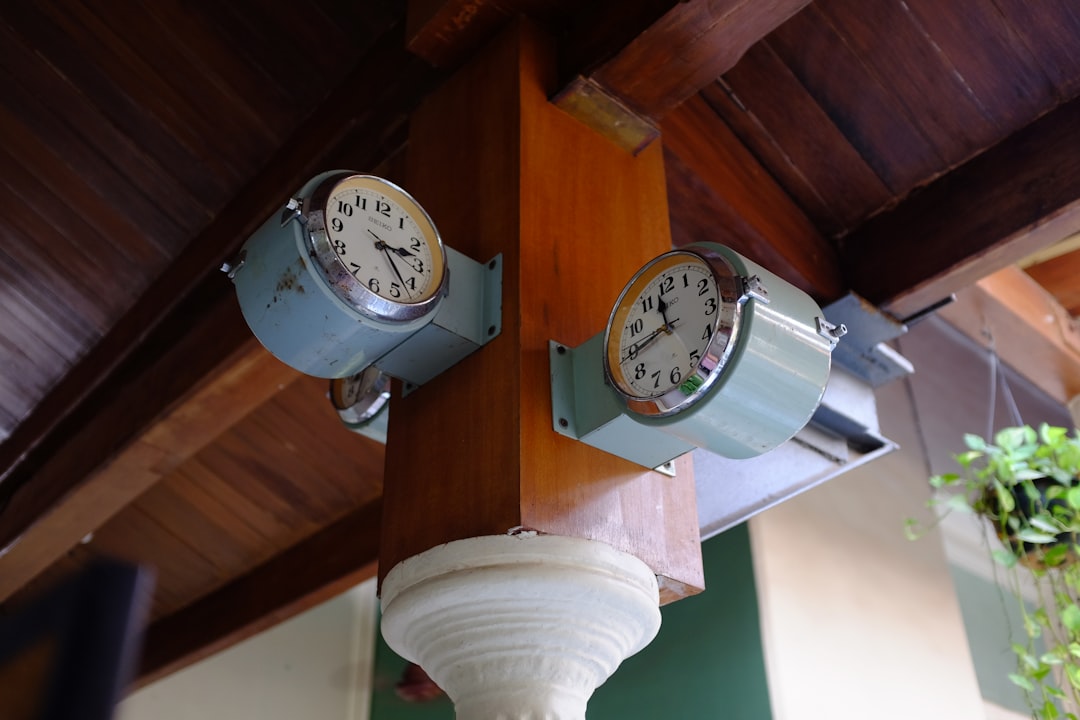
Unlike a purely decorative desk clock, the Rotocall was intended to be used. It suited offices, travel desks, hotel rooms, and homes where international contact mattered. The design was not only about telling time; it was about making time easier to understand across borders.
Historical Background
Seiko’s history is defined by precision and adaptation. From its early days as a Japanese clock and watch company to its major role in quartz technology, Seiko frequently produced items that reflected changing lifestyles. During the mid-to-late twentieth century, many households and offices began adopting more portable, specialized clocks. Alarm clocks, travel clocks, desk clocks, and world time clocks all became practical tools.
The Rotocall fits into this environment. While exact production dates and model variations can differ by market, the clock is generally associated with the vintage period when Seiko was experimenting with compact, functional timekeeping products for domestic and international buyers. Some examples appear with quartz movements, while other related Seiko clocks from the era show a transition from traditional mechanical thinking to battery-powered convenience.
Its appeal was especially strong before digital devices became universal. A rotating world time mechanism could instantly show whether it was morning in Tokyo, evening in London, or the middle of the night in New York. For businesses and families arranging expensive international calls, that information had real value.
How the Rotocall Concept Worked
The basic idea behind the Seiko Rotocall was simple: the clock combined ordinary timekeeping with a rotating reference system. Depending on the version, the user could align a local time with a city scale, time-zone ring, or world time indicator. Once aligned, the display helped reveal the corresponding time in other locations.
This form of time conversion was intuitive. Instead of calculating offsets mentally, the clock presented global time visually. That made it useful for offices and households where several people might need to check international times quickly. It also made the Rotocall feel interactive. The act of rotating a ring or display gave the object a tactile character that many modern devices lack.
The design also embodied Seiko’s broader philosophy: a good timekeeping object should be clear, reliable, and efficient. Even when the Rotocall looked playful or unusual, it remained grounded in practical use.
Key Features of the Seiko Rotocall
Although specific features vary among surviving examples, the Seiko Rotocall is commonly associated with several core characteristics.
- World time reference: The most important feature is its ability to compare time across cities or time zones.
- Rotating display system: A movable ring, dial, or city indicator allows the user to align times and read international equivalents.
- Compact desk or travel format: Many examples are small enough for a desk, bedside table, or travel setting.
- Seiko movement: Depending on the model, the Rotocall may use a quartz movement or another Seiko timekeeping mechanism.
- Alarm function: Several examples include an alarm, reinforcing its practical role as a daily-use clock.
- Durable case design: Seiko clocks from the era often used sturdy plastics, metals, or mixed materials designed for long service.
- Readable dial layout: Clear numerals, contrasting markings, and logical scales help make the clock easy to use.
These features explain why the Rotocall remains interesting. It was not simply a clock with an added decoration. Its world time display was central to the object’s purpose.
Design and Visual Character
The Rotocall’s design reflects the practical optimism of vintage Japanese consumer products. It often combines clean markings, functional controls, and a case shape that feels purposeful rather than ornate. Some versions appear more office-oriented, while others have a travel-clock personality.
Collectors often appreciate the balance between utility and style. The rotating element gives the clock a technical appearance, while the compact case keeps it approachable. It can look at home beside typewriters, rotary telephones, analog calendars, vintage cameras, and early electronic devices.
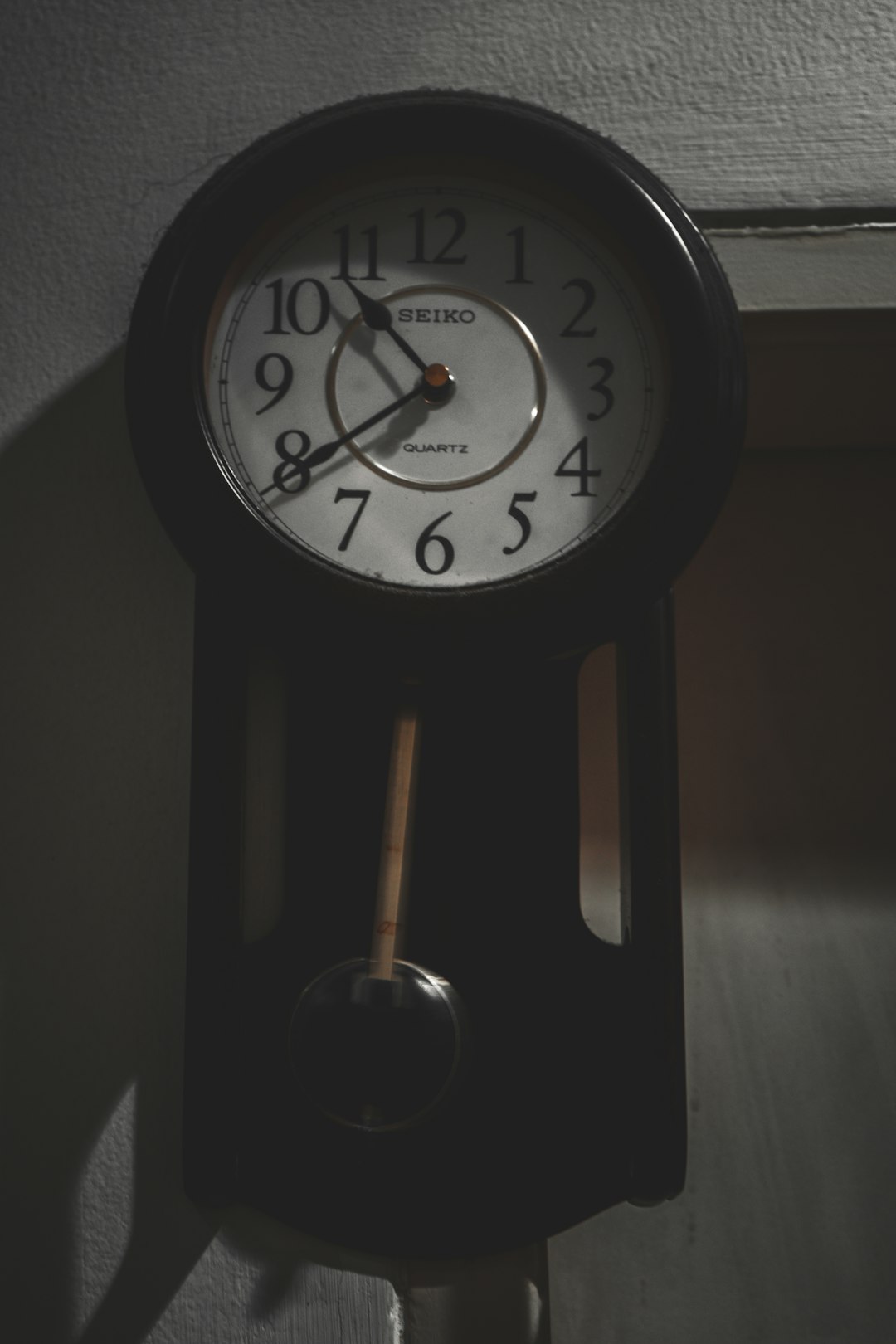
The Rotocall also captures a transitional design language. It belongs to a world after purely traditional clocks, but before fully digital convenience took over. That makes it especially appealing to collectors who enjoy objects from the analog-to-electronic era.
Why Collectors Value It
The Seiko Rotocall is valued for several reasons. First, it is a functional conversation piece. Even when not used for international calls, it remains a distinctive display item. Second, it carries the Seiko name, which gives collectors confidence in the object’s engineering background.
Third, it represents a specific historical need. World time clocks tell a story about how people communicated before the internet compressed distance. The Rotocall reminds modern observers that global contact once required timing, patience, and planning.
Condition plays a major role in collectability. A Rotocall with a clean case, working movement, intact city ring, clear markings, and original accessories is typically more desirable. Packaging, manuals, or warranty papers can add interest, especially because documentation for niche Seiko clocks can be difficult to find.
Common Condition Issues
Like many vintage clocks, the Rotocall may show age. Plastic cases can yellow, scratch, or crack. Printed city names or scales may fade from handling or sunlight. Battery compartments may suffer corrosion if old batteries were left inside. Moving parts, including rotating rings or alarm controls, can become stiff over time.
A non-working example is not always beyond saving, but repair options depend on the movement and parts availability. Quartz movements may sometimes be serviced or replaced, though preserving originality is important to many collectors. A careful buyer usually checks that the timekeeping function, alarm, and rotating world time mechanism all operate smoothly.
Using a Seiko Rotocall Today
Even in the smartphone era, the Rotocall can still serve a purpose. It may function as a desk clock, a decorative office object, or a practical reference for someone who regularly thinks across time zones. Its analog display can also be easier to glance at than opening an app, especially in a workspace designed around minimal digital distraction.
More importantly, the Rotocall offers a different experience. It encourages the owner to understand time zones visually rather than relying entirely on automation. That quality gives the clock educational value and makes it enjoyable for enthusiasts of geography, horology, and vintage technology.

Care and Maintenance
Proper care helps preserve the Seiko Rotocall. The clock should be kept away from direct sunlight, high humidity, and extreme temperature changes. If it uses batteries, they should be removed during long storage periods to prevent leakage. The case should be cleaned gently with a soft cloth, avoiding harsh solvents that could damage plastic or printed markings.
If the rotating mechanism feels stiff, force should not be used. A qualified clock repairer or experienced vintage Seiko technician may be able to inspect it safely. The same caution applies to the movement. Original parts and labels add historical value, so unnecessary modifications should be avoided.
The Rotocall’s Legacy
The Seiko Rotocall may not be as famous as Seiko’s landmark wristwatches or professional timing instruments, but it reflects the same spirit of problem-solving. It was designed for people who needed time to be portable, understandable, and globally relevant. Its rotating world time feature turned a complex calculation into a simple visual action.
Today, the Rotocall stands as a reminder of an age when communication technology was advancing but still required human attention. It is charming because it is both practical and nostalgic. For collectors, it offers a compact piece of Seiko history that connects horology, design, travel, and international communication.
FAQ
What is the Seiko Rotocall?
The Seiko Rotocall is a vintage Seiko world time clock, commonly associated with a rotating time-zone or city display used to compare times in different parts of the world.
Why is it called Rotocall?
The name likely refers to its rotating time reference and its usefulness in planning telephone calls across time zones. The concept suited an era when international calling required careful timing.
Is the Seiko Rotocall a watch or a clock?
It is generally regarded as a clock, often in desk or travel form, rather than a wristwatch. Its main purpose is world time reference and daily timekeeping.
Does every Seiko Rotocall have an alarm?
Not every version is identical, but many examples are associated with alarm functionality. Features can vary depending on model, market, and production period.
Is the Seiko Rotocall collectible?
Yes. Collectors value it for its Seiko heritage, unusual rotating world time design, vintage appeal, and connection to international communication history.
What affects its value?
Condition, working order, originality, clarity of markings, intact rotating parts, and the presence of original packaging or instructions can all affect value.
Can a Seiko Rotocall still be used today?
Yes, a working example can still be used as a desk clock, alarm clock, or world time reference. It also serves well as a decorative vintage technology piece.
How should it be maintained?
It should be kept clean, dry, and away from direct sunlight. Batteries should be removed during storage, and stiff rotating parts or faulty movements should be handled by someone familiar with vintage clocks.