Factories are getting smarter every year. Machines now talk. Sensors send signals every second. Managers can watch everything from a phone or laptop. This is all powered by IoT monitoring platforms. These systems track machines and sensors in real time. They help prevent breakdowns. They save money. And they make factory life much easier.
TLDR: IoT monitoring platforms help factories track machines and sensors in real time. They collect data, show it on dashboards, and send alerts when something goes wrong. This reduces downtime and improves safety. Below are four powerful and easy-to-use platforms that factories love.
Let’s explore four IoT monitoring platforms that stand out. We’ll keep it simple. No tech fluff. Just what matters.
1. Siemens MindSphere
Best for: Large factories with complex equipment.
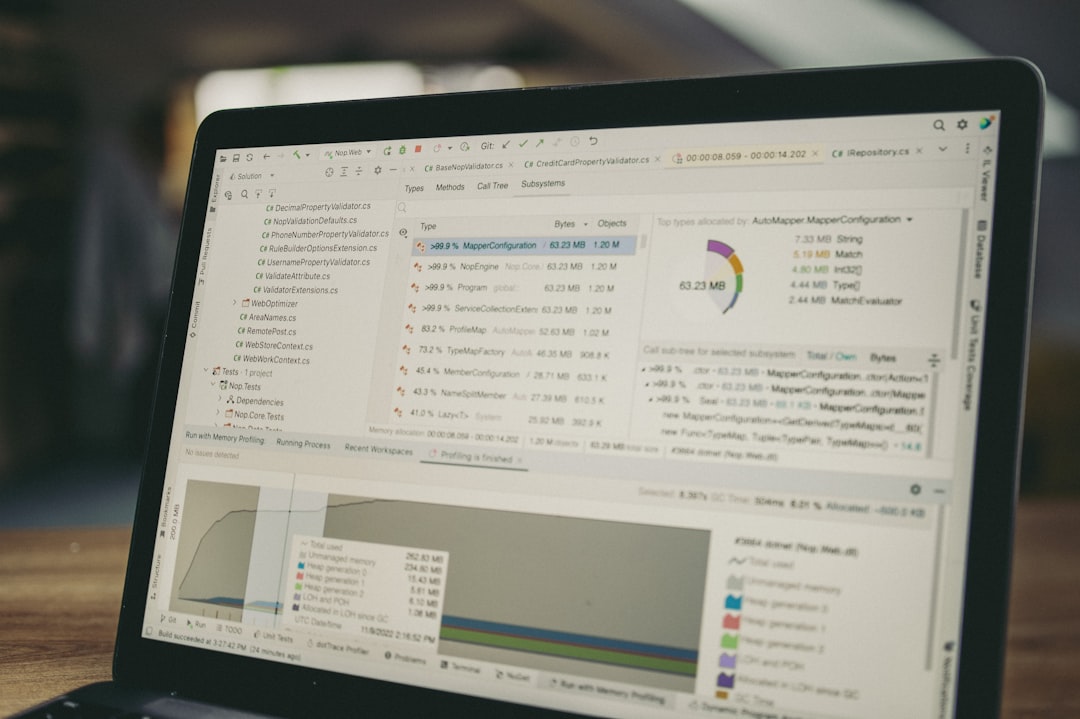
Siemens MindSphere is a cloud-based IoT operating system. It connects machines, collects data, and turns it into clear insights. Think of it as a control tower for your factory.
What it does well:
- Real-time monitoring: See machine performance live.
- Predictive maintenance: Detect issues before machines fail.
- Energy tracking: Monitor power usage across equipment.
- Cloud access: Check data from anywhere.
MindSphere gathers data from sensors on machines. Temperature. Vibration. Pressure. Speed. It then analyzes this data using smart algorithms. If something looks wrong, it sends alerts.
This helps maintenance teams act fast. It also lowers downtime. And downtime is expensive.
Why factories like it: It works very well with Siemens equipment. It also scales easily. So if your factory grows, the platform grows with you.
One thing to note. It may feel complex for small factories. It shines in bigger operations with many connected machines.
2. PTC ThingWorx
Best for: Factories that want flexibility and customization.
ThingWorx is a powerful IoT platform. It is known for being flexible. You can build custom dashboards. You can connect to many types of devices. It works with older machines too.
Main features:
- Device connectivity: Connect sensors, PLCs, and legacy machines.
- Custom dashboards: Design views for different teams.
- Augmented reality integration: Visual guidance for technicians.
- Analytics tools: Spot trends over time.
One great feature is its visual experience builder. You can create easy-to-read screens. Operators see machine status at a glance. Green is good. Red means trouble.
Image not found in postmetaThingWorx also connects with augmented reality tools. A technician can point a tablet at a machine. The system overlays live data on top. This makes maintenance faster and smarter.
Why factories like it: It adapts to many industries. Automotive. Food production. Electronics. It does not lock you into one hardware brand.
It may require some technical know-how to set up. But once running, it becomes a powerful factory brain.
3. AWS IoT SiteWise
Best for: Factories already using Amazon Web Services.
AWS IoT SiteWise is part of the Amazon cloud family. It focuses on collecting, organizing, and analyzing industrial data at scale.
Core benefits:
- Data modeling: Organize data by asset and process.
- Real-time dashboards: Live views of machine stats.
- Edge computing: Process data near the machine.
- Strong security: Backed by AWS infrastructure.
The platform structures data in a smart way. You define assets like “Pump A” or “Packaging Line 1.” Then you attach sensor data to them. This keeps everything clean and organized.
It also supports edge gateways. That means some data gets processed inside the factory. No need to send every single data point to the cloud. This reduces delay.
AWS tools also allow advanced analytics. You can combine production data with machine data. This helps answer big questions. Why did output drop last Tuesday? Which shift performs best?
Why factories like it: It integrates smoothly with other AWS services. If your company already uses AWS, it feels natural.
However, if you are not in the AWS ecosystem, setup may take effort.
4. Azure IoT Hub with Azure IoT Central
Best for: Businesses wanting a user-friendly Microsoft solution.
Microsoft offers two main pieces. Azure IoT Hub handles the heavy lifting. Azure IoT Central provides the friendly interface.
Together, they form a strong monitoring system.
Key advantages:
- Easy device connection: Connect thousands of devices securely.
- Pre-built templates: Start fast with industry models.
- Built-in analytics: Spot trends in performance.
- Integration with Microsoft tools: Connect to Power BI and Teams.
IoT Central gives ready-made dashboards. You don’t need to build everything from scratch. Add devices. Map the data. Watch the graphs appear.
If a motor overheats, alerts can go straight to Microsoft Teams. Your team is notified instantly. No delays.
Using Power BI, you can create advanced reports. These reports help management make smart decisions.
Why factories like it: The interface is clean. The learning curve is gentle. It works well for small to medium factories.
For very complex custom needs, additional setup through Azure IoT Hub may be required.
Quick Comparison Chart
| Platform | Best For | Ease of Use | Scalability | Special Strength |
|---|---|---|---|---|
| Siemens MindSphere | Large industrial sites | Medium | Very High | Deep industrial integration |
| PTC ThingWorx | Custom solutions | Medium | High | Flexibility and AR features |
| AWS IoT SiteWise | AWS users | Medium | Very High | Cloud analytics power |
| Azure IoT Hub + Central | Microsoft ecosystem | High | High | User-friendly dashboards |
How to Choose the Right One
Choosing a platform is not just about features. It is about fit.
Ask yourself:
- How many machines do we need to monitor?
- Do we already use AWS or Microsoft tools?
- How tech-savvy is our team?
- Do we need advanced customization?
- What is our budget?
If you run a huge plant with thousands of sensors, scalability matters most. If you run a medium-sized factory, ease of use may be more important.
Also think long term. IoT is not a short project. It becomes part of daily operations. Make sure the platform can grow with you.
Why Real-Time Monitoring Changes Everything
Real-time data is powerful. Very powerful.
Without it, you react after something breaks. With it, you react before.
Imagine a vibration sensor detecting unusual movement. The system flags it. Maintenance checks the motor. A bearing is wearing out. It gets replaced. Production never stops.
That one alert may save thousands of dollars.
Real-time monitoring also improves safety. Gas leaks. Overheating equipment. Pressure spikes. The system warns workers instantly.
It also improves efficiency. Managers can compare shifts. Identify bottlenecks. Optimize workflows.
Data becomes your guide.
Final Thoughts
Smart factories are no longer science fiction. They are happening now.
IoT monitoring platforms make machines talk. They turn raw sensor data into clear insights. They send alerts when things go wrong. And they help factories run smoother every day.
Siemens MindSphere offers deep industrial power. PTC ThingWorx brings flexibility and AR features. AWS IoT SiteWise delivers cloud strength. Azure IoT Hub and Central provide simplicity and strong integration.
Each platform tracks machines and sensors in real time. Each helps reduce downtime. Each supports smarter decisions.
The best choice depends on your factory’s size, tools, and goals.
But one thing is clear. Real-time monitoring is not just a nice-to-have feature anymore. It is becoming the heart of modern manufacturing.
And the factories that embrace it today will lead tomorrow.