Traveling for the first time can be a thrilling experience filled with excitement, curiosity, and of course, a bit of anxiety. Whether you’re planning a domestic getaway or a trip overseas, understanding what to pack and plan for can make the difference between a stressful journey and an unforgettable adventure. Preparation is key, and this guide offers valuable advice for first-time travelers so you can focus less on worry and more on enjoying the world around you.
TLDR: Travel Tips For First-Time Visitors
First-time travel can be daunting, but it doesn’t have to be. Be sure to research your destination thoroughly, pack smartly (not excessively), and prepare documentation, finances, and essentials well in advance. Always have backup copies of critical items, purchase travel insurance, and stay aware of local customs and laws. A well-organized plan helps ensure a smoother, safer, and more enjoyable experience.
Planning Ahead: The Foundation of Safe and Smooth Travel
Effective travel begins long before you board a plane or hop in a car. *Strategic pre-trip planning* is crucial for minimizing complications. Here’s what to consider:
- Research the destination: Learn about your destination’s culture, safety, language, and climate. Visit official tourism websites and consult travel forums for current information.
- Check travel advisories: Visit your government’s travel advisory page for up-to-date security alerts, health requirements, and visa information.
- Plan your itinerary: Sketch out what you want to see and do, but don’t overpack your schedule. Leave room for spontaneity.
- Book in advance: Reserve accommodations, transportation, and major attractions ahead of time to avoid scheduling mishaps.
Remember, the better prepared you are, the more confident and stress-free you’ll feel during your trip.
Essential Documents: What You Must Not Forget
Documentation is often the Achilles heel of amateur travelers. Losing or forgetting anything important can potentially derail your trip. Always carry the following:
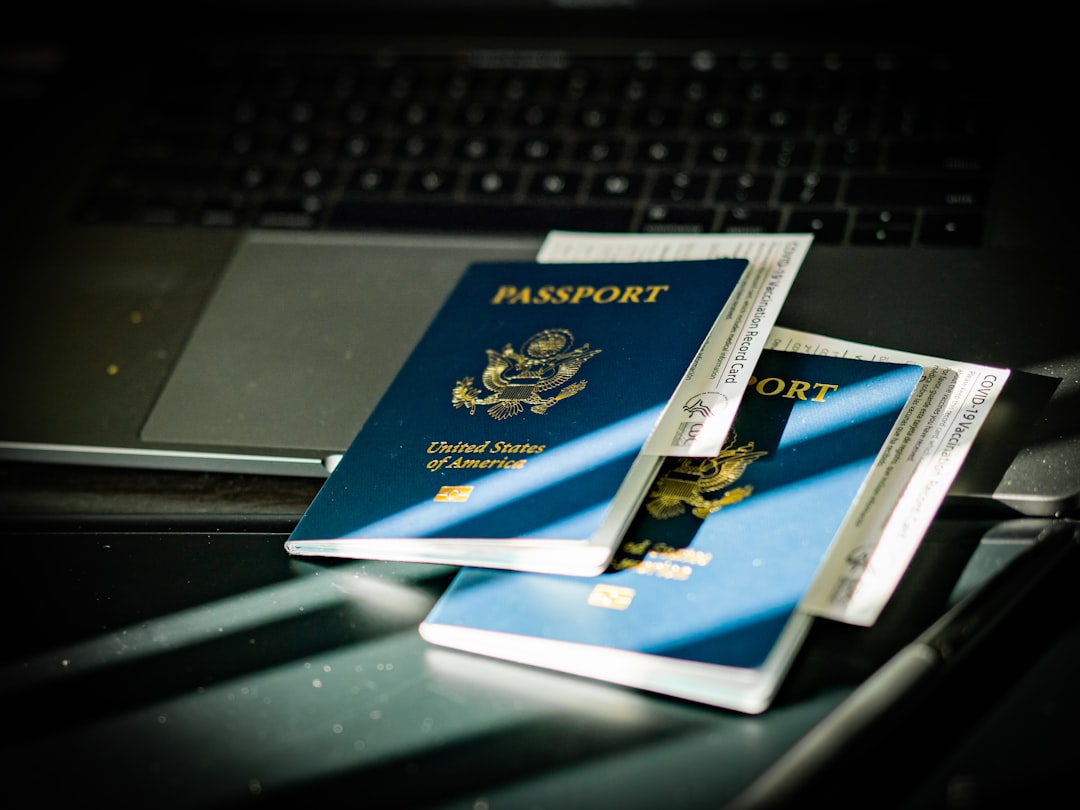
- Passport: Ensure it’s valid for at least six months beyond your travel dates (especially for international trips).
- Visas: Depending on your nationality and destination, you may need to apply for a travel visa in advance.
- Travel insurance: Policies cover incidents like lost baggage, illness, or cancellations. It’s worth the peace of mind.
- Health credentials: Some countries may require proof of vaccinations or COVID-related documents.
- Hard and digital copies: Keep photocopies of all important documents in a separate bag and a digital archive in a secure cloud location.
Packing Smart: What to Bring and Leave Behind
Packing can be overwhelming, especially for the unseasoned traveler. Overpacking leads to inconvenience and unnecessary baggage fees, while underpacking results in missing essentials. Aim to be efficient and organized.
Clothing and Personal Items
- Weather-appropriate clothes: Research the climate and pack layered clothing if needed.
- Comfortable shoes: Prioritize utility over style, especially if you plan to walk a lot.
- Toiletries: Bring travel-sized containers or prepare to buy locally. Don’t forget essentials like deodorant, toothbrush, and personal hygiene items.
- Adapter and charger: Travel adapters are essential if the voltage or plug types differ in your destination.
Tech and Gear
- Phone and portable charger: These are your lifelines—don’t leave them behind.
- Camera: If your phone doesn’t suffice, pack a good travel camera.
- Travel apps: Install apps for maps, translation, currency conversion, and offline access before leaving.
Miscellaneous Necessities
- Snacks: Especially useful during long layovers or delays.
- Reusable water bottle: Staying hydrated is vital, and many airports now have refilling stations.
- Travel pillow and eye mask: Infinitely helpful during long journeys.
Finally, always pack your medication and a small first-aid kit. You may not find your preferred brands abroad, and health issues can arise unexpectedly.
Money Matters: Financial Preparations
Managing money is another critical area to plan meticulously. Traveling with insufficient funds or improper banking tools can spell serious trouble.
- Currency exchange: Check the local currency and get a reasonable amount of cash at a reliable exchange outlet or your bank before departure.
- Inform your bank: Avoid having your card frozen for foreign transactions by notifying your bank of your travel dates and destination.
- Credit/debit card: Choose cards with no foreign transaction fees. Carry at least one backup card in case of loss or theft.
- Track your expenses: Use budgeting apps to avoid overspending, especially if exchange rates fluctuate significantly.
Language and Communication
Don’t let a language barrier hinder your trip. While English is widely spoken in many parts of the world, you might encounter places where it isn’t. Prepare with the following:
- Basic phrases: Learn common greetings, questions, and emergency expressions in the local language.
- Translation apps: Apps like Google Translate can help bridge communication gaps easily.
- Offline access: Download offline language packs in case you don’t have internet access.
Respect goes a long way. Locals generally appreciate the effort—even if it’s just a clumsy “hello” or “thank you.”
Travel Safety: Staying Secure While Abroad
Your security is paramount. While traveling is generally safe, being proactive about personal safety can save you stress and even danger.
- Emergency contacts: Know the local emergency numbers and store contacts for your country’s embassy or consulate.
- Avoid high-risk areas: Research neighborhoods in cities you’re visiting and stick to safer areas, especially at night.
- Secure your belongings: Use money belts or anti-theft backpacks to safeguard valuables.
- Stay alert: Remain aware of your surroundings, particularly in tourist-heavy areas prone to petty crimes.
In addition, don’t overshare your travel details publicly on social media while you’re away—it can make you vulnerable to theft back home.
Health and Hygiene Preparations
Staying healthy during your journey ensures you get the most out of it. A few simple precautions can go a long way:
- Vaccinations: Some countries require specific immunizations before entry. Check well in advance what’s needed.
- Travel health kit: Include items like pain relievers, anti-diarrheal medication, motion sickness pills, and hand sanitizer.
- Eat mindfully: Street food is tempting but ensure it’s cooked thoroughly and served hot.
Also, staying well-rested and hydrated helps combat jet lag and travel fatigue. Take breaks when needed and listen to your body.
Final Thoughts
First-time travel is more than just movement; it’s a growth experience, a challenge to your comfort zone, and a doorway to new perspectives. While spontaneity adds flavor to a journey, careful planning ensures you enjoy it instead of merely surviving it. Pack wisely, plan methodically, and stay alert—but most importantly, remain open to experiences, cultures, and people.
Every seasoned traveler was once a newbie, and each trip will teach you something new. With these tips, you now have a reliable foundation to begin your adventures with confidence and excitement.