The global energy landscape is undergoing a fundamental transformation. Utilities, governments, and private enterprises are under mounting pressure to improve reliability, reduce carbon emissions, and optimize operational costs. Smart grid platforms have emerged as a critical technology layer enabling this transformation. By integrating digital communication, advanced analytics, automation, and distributed energy management, these platforms help modernize legacy power infrastructure and significantly improve energy efficiency across the entire value chain.
TLDR: Smart grid platforms use real-time data, automation, and advanced analytics to optimize electricity generation, distribution, and consumption. They reduce energy losses, enable renewable integration, and support predictive maintenance. By improving visibility and control across the grid, these systems increase reliability and lower operational costs. Utilities and enterprises adopting smart grid platforms gain measurable efficiency gains and greater resilience.
At their core, smart grid platforms connect energy producers, distributors, and consumers through intelligent systems that collect and analyze large volumes of data. Unlike traditional grids, which rely on one-way power flow and limited feedback, smart grids enable bi-directional communication and dynamic decision-making. This shift allows stakeholders to respond quickly to changing demand patterns and supply fluctuations.
What Makes a Grid “Smart”?
Smart grid platforms integrate several technological components into a unified operational framework:
- Advanced Metering Infrastructure (AMI): Smart meters that provide real-time consumption data.
- IoT Sensors and Devices: Equipment monitoring voltage, load, frequency, and equipment health.
- Data Analytics Engines: Platforms that process large datasets to detect inefficiencies and anomalies.
- Distributed Energy Resource (DER) Management: Systems that coordinate solar panels, wind farms, and battery storage.
- Automated Control Systems: Tools that adjust load balancing and grid operations without manual intervention.
Together, these technologies create a responsive ecosystem capable of identifying energy waste, predicting demand spikes, and optimizing energy flow in near real time.

How Smart Grid Platforms Improve Energy Efficiency
1. Real-Time Monitoring and Loss Reduction
Traditional power grids lose a significant portion of electricity during transmission and distribution. Smart grid platforms detect inefficiencies such as voltage imbalances, transformer overloads, and equipment malfunctions. With high-resolution data, operators can:
- Quickly locate technical losses
- Identify non-technical losses such as energy theft
- Reduce downtime through rapid fault isolation
- Optimize voltage regulation to prevent wasted energy
The result is a measurable reduction in energy waste across transmission and distribution networks.
2. Demand Response Optimization
One of the most effective ways to improve efficiency is to manage demand rather than simply increasing supply. Smart grid platforms enable demand response programs that incentivize consumers to reduce or shift energy usage during peak hours.
Rather than building additional generation capacity to handle rare peak demand events, utilities can use:
- Automated load control
- Smart thermostats and connected appliances
- Dynamic pricing signals
- Commercial building energy management integrations
This approach reduces strain on infrastructure and minimizes reliance on inefficient peaker plants.
3. Renewable Energy Integration
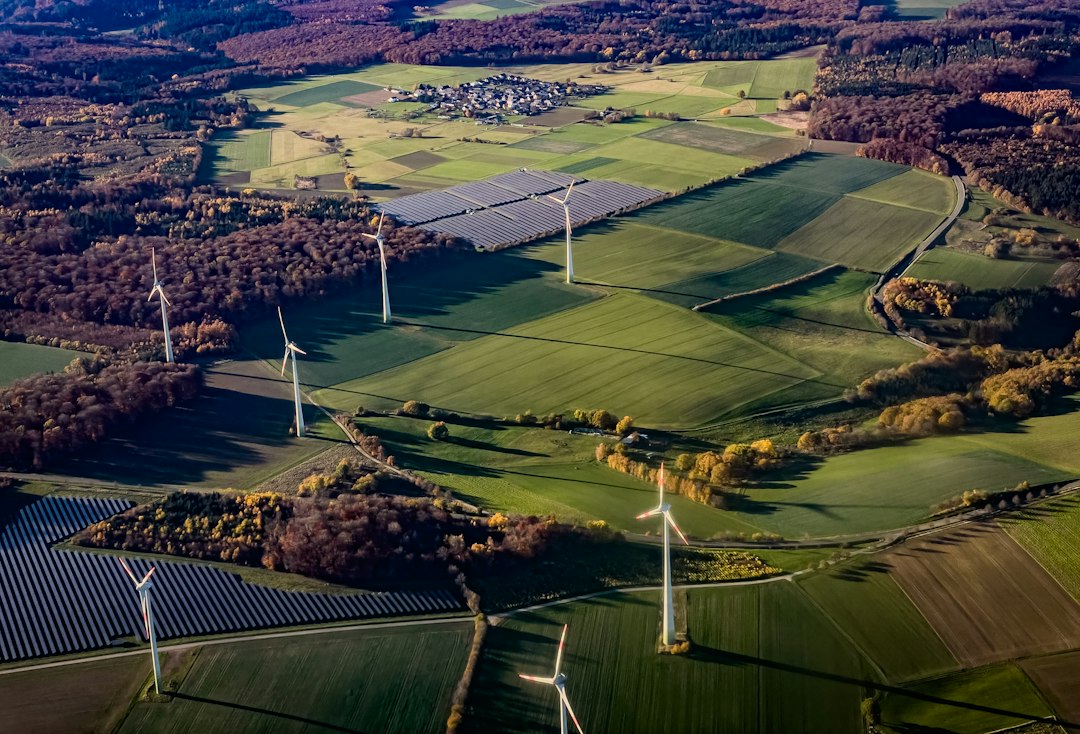
Renewable energy sources such as solar and wind are inherently variable. Without intelligent coordination, integrating these resources can destabilize the grid. Smart grid platforms solve this challenge through:
- Forecasting algorithms for solar and wind output
- Battery storage optimization
- Automated dispatching systems
- Real-time balancing of supply and demand
By efficiently coordinating distributed energy resources, smart grid platforms enable higher renewable penetration without sacrificing reliability.
4. Predictive Maintenance and Asset Optimization
Energy infrastructure is capital intensive. Transformers, substations, and transmission lines degrade over time. Reactive maintenance not only increases costs but also leads to unplanned outages and energy loss.
Smart grid platforms use advanced analytics and machine learning to:
- Predict equipment failure before it occurs
- Prioritize maintenance schedules
- Extend asset life cycles
- Minimize emergency repairs
By shifting from reactive to predictive maintenance, utilities improve both operational efficiency and system reliability.
Key Smart Grid Platform Categories
Several types of platforms support grid modernization. While features vary, most fall into the following categories:
- Grid Management Platforms (GMP)
- Distributed Energy Resource Management Systems (DERMS)
- Advanced Distribution Management Systems (ADMS)
- Energy Data Analytics Platforms (EDAP)
Below is a simplified comparison of these categories:
| Platform Type | Primary Focus | Efficiency Contribution | Ideal Users |
|---|---|---|---|
| Grid Management Platform | Real-time monitoring and control | Reduces transmission losses and outage duration | Utilities and transmission operators |
| DERMS | Coordination of distributed energy resources | Optimizes renewable integration and load balancing | Utilities with high renewable penetration |
| ADMS | Distribution network automation | Improves voltage control and fault isolation | Distribution system operators |
| Energy Data Analytics Platform | Consumption analysis and forecasting | Identifies inefficiencies and optimizes demand response | Utilities and large enterprises |
Enterprise-Level Benefits
While utilities are primary users, enterprises are also leveraging smart grid platforms to enhance facility-level energy efficiency.
Large industrial sites use grid-connected analytics systems to:
- Monitor real-time demand charges
- Shift non-critical operations to off-peak hours
- Coordinate on-site solar and battery systems
- Reduce carbon reporting discrepancies
Commercial buildings integrate building management systems (BMS) with smart grid platforms, enabling automated HVAC and lighting optimization based on external grid conditions.
Cybersecurity and Data Governance Considerations
Because smart grid platforms are data-intensive and highly interconnected, cybersecurity is a foundational requirement. Compromised infrastructure can cause operational disruptions and serious economic losses.
Leading platforms incorporate:
- End-to-end encryption
- Multi-factor authentication
- Network segmentation
- Continuous anomaly detection systems
Robust governance frameworks also ensure compliance with regulatory mandates and protect consumer data privacy.
Measured Impact: Quantifiable Efficiency Gains
Organizations adopting smart grid technologies report measurable improvements. While outcomes vary depending on legacy infrastructure and regional conditions, common results include:
- 5–15% reduction in distribution losses
- Improved peak load management by up to 20%
- Shorter outage durations through automated fault detection
- Lower operational costs driven by predictive maintenance
Over time, these efficiencies translate into substantial financial savings and environmental benefits.
Implementation Challenges
Despite their advantages, smart grid platforms require careful planning. Common challenges include:
- High upfront capital investment
- Integration with legacy infrastructure
- Data interoperability issues
- Workforce training requirements
Successful implementations typically follow a phased approach:
- Pilot deployment in high-impact areas
- Evaluation of performance metrics
- Scaled rollout across networks
- Continuous optimization through analytics refinement
This measured strategy mitigates risk while delivering incremental improvements.
The Future of Smart Grid Platforms
The next generation of platforms will likely be shaped by artificial intelligence, edge computing, and advanced energy storage systems. As electrification expands—particularly with electric vehicle adoption—the need for sophisticated grid orchestration will intensify.
Emerging innovations include:
- AI-driven autonomous grid control capable of self-healing operations
- Vehicle-to-grid integration enabling EV batteries to support peak demand
- Edge computing devices that process data closer to energy assets
- Blockchain-enabled energy transactions for decentralized markets
These capabilities will further enhance efficiency, resilience, and flexibility.
Conclusion
Smart grid platforms represent more than digital upgrades to existing infrastructure; they constitute a systemic evolution in how electricity is generated, distributed, and consumed. By combining real-time monitoring, automation, predictive analytics, and renewable integration, these platforms significantly reduce energy waste and enhance operational efficiency.
For utilities, enterprises, and policymakers seeking reliable and sustainable energy systems, smart grid platforms offer a proven path forward. As investment continues and technologies mature, their role in improving global energy efficiency will only become more central. In an era defined by decarbonization and electrification, intelligent grid infrastructure is not optional—it is foundational.