In a digital landscape driven by data, understanding how users interact with products has become essential for sustainable growth. Companies increasingly rely on analytics platforms that provide deep visibility into user behavior, product engagement, and conversion patterns. Among the most powerful solutions available today are Mixpanel apps and tools, designed specifically for advanced product analytics and user behavior tracking. These tools enable product teams, marketers, and developers to transform raw event data into actionable insights that improve user experiences and drive measurable results.
TLDR: Mixpanel offers a comprehensive suite of product analytics and user behavior tracking tools designed to help teams understand, engage, and retain users more effectively. From event-based tracking and funnel analysis to cohort building and A/B testing integrations, Mixpanel provides actionable insights for data-driven product development. Its flexible dashboards, automation features, and real-time reporting empower businesses to optimize customer journeys. Compared to traditional analytics tools, Mixpanel focuses heavily on user-centric tracking rather than just page views.
Understanding Mixpanel’s Core Approach
Unlike traditional analytics platforms that emphasize page views and sessions, Mixpanel centers its analytics model around events. An event can be anything from signing up for a newsletter to clicking a checkout button or completing a purchase. This event-based tracking methodology allows businesses to gain deeper visibility into user intent and behavior across every stage of the customer journey.
Mixpanel apps and tools are designed to help organizations:
- Track user interactions across web and mobile applications
- Create real-time dashboards for performance monitoring
- Build detailed user profiles with behavioral data
- Analyze funnels and retention to identify drop-off points
- Segment audiences dynamically for more precise insights
This user-focused framework enables product teams to make data-backed decisions that directly impact growth and retention.
Key Mixpanel Apps and Tools for Product Analytics
Mixpanel provides a powerful collection of analytical tools tailored to modern digital products. Each tool serves a different analytical purpose while integrating seamlessly with the broader ecosystem.
1. Event Tracking
Event tracking is the foundation of Mixpanel’s platform. Teams define custom events that align with their product goals, allowing them to track meaningful interactions instead of superficial metrics. For example, instead of simply counting page visits, a SaaS app can track feature usage frequency, onboarding completion, or subscription upgrades.
2. Funnel Analysis
Funnel reports help teams visualize how users move through predefined steps. Whether it’s an onboarding process or a checkout journey, funnel analysis identifies where users drop off and reveals bottlenecks that limit conversions.
Benefits of funnel tools include:
- Identifying friction points
- Measuring conversion rates between steps
- Segmenting funnels by device, geography, or cohort
3. Retention Reports
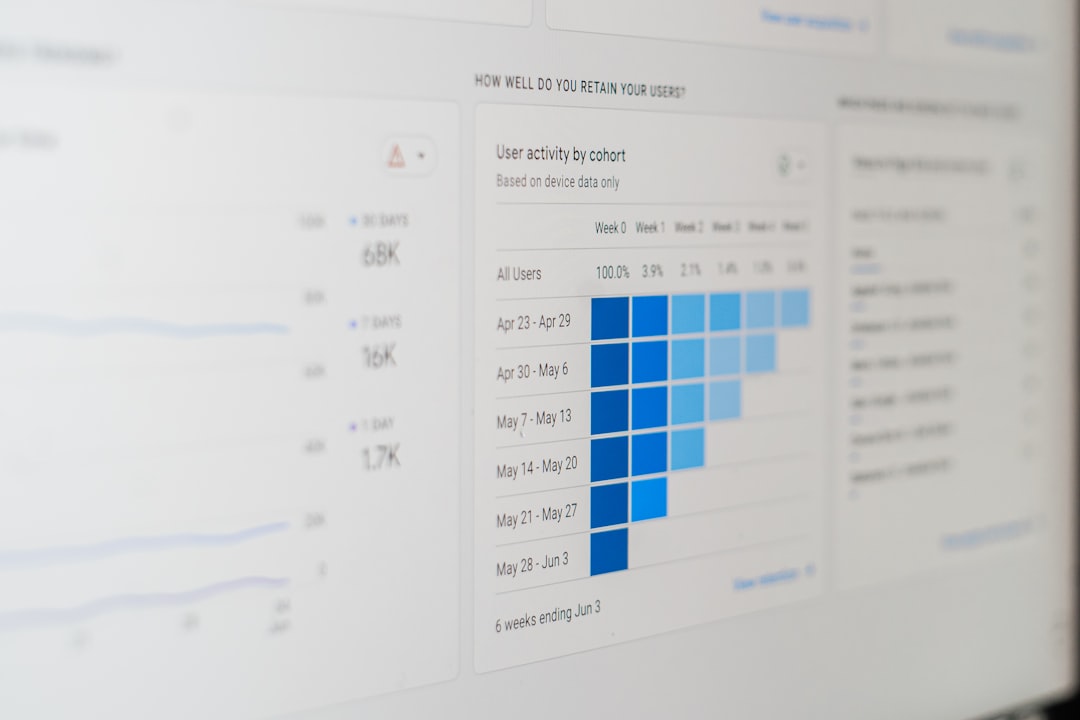
Retention analysis reveals whether users return after their initial interaction. Mixpanel allows teams to examine both short-term and long-term engagement patterns. Understanding retention curves helps companies evaluate product stickiness and long-term value.
4. Cohort Analysis
Cohorts group users based on shared behaviors or characteristics. For example, users who completed onboarding within the first day can be monitored separately from those who took longer. This segmentation empowers teams to personalize experiences and detect behavior trends across different user groups.
5. Impact & Experimentation Insights
When businesses launch new features or marketing campaigns, Mixpanel helps measure their effectiveness. By comparing behavioral data before and after changes, teams can determine whether an update improves engagement, conversion, or retention.

Advanced User Behavior Tracking Capabilities
Mixpanel goes beyond simple reporting by offering robust tracking and automation features designed for scaling digital products.
Real-Time Analytics
Real-time dashboards allow teams to react quickly to emerging trends. For example, if a newly released feature experiences low engagement, immediate adjustments can be made.
User Profiles
Each tracked user is assigned a profile containing historical interactions, device data, location information, and custom attributes. This detailed record enables more informed product decisions and targeted messaging.
Behavioral Segmentation
Dynamic segmentation allows teams to create filters based on behavior patterns such as:
- Frequency of feature usage
- Time between sessions
- Purchase behavior
- Churn risk indicators
Cross-Platform Tracking
Modern users frequently switch between devices. Mixpanel supports cross-platform analytics for web, iOS, Android, and backend systems, ensuring unified reporting across touchpoints.
Integration Ecosystem
Mixpanel integrates with numerous third-party tools including CRMs, marketing automation platforms, data warehouses, and customer engagement software. These integrations allow businesses to centralize data flows and create more connected workflows.
Common integration categories include:
- Marketing tools for targeted campaigns
- Customer support platforms for contextual insights
- Data pipelines for warehouse synchronization
- A/B testing platforms for experimentation
By combining data across systems, businesses can achieve a more holistic view of the customer lifecycle.
Comparison of Mixpanel Tools vs Traditional Analytics Platforms
| Feature | Mixpanel | Traditional Web Analytics |
|---|---|---|
| Primary Tracking Model | Event-based tracking | Pageview and session based |
| User-Level Insights | Detailed user profiles | Limited individual tracking |
| Funnel Analysis | Advanced, customizable funnels | Basic sequential funnels |
| Cohort Building | Behavior-driven, dynamic | Often static or limited |
| Cross-Platform Analytics | Web and mobile unified tracking | Frequently web-focused |
| Real-Time Data | Strong real-time reporting | May involve delays |
This comparison highlights Mixpanel’s strength in user-centric analytics rather than high-level traffic measurement.

Benefits for Product Teams and Businesses
Companies leveraging Mixpanel apps and tools often see improvements in product performance and strategic decision-making. Key advantages include:
- Data-driven development: Feature priorities are based on real usage data.
- Improved onboarding flows: Funnel analysis identifies friction points.
- Higher retention rates: Retention insights guide engagement strategies.
- Reduced churn: Behavioral cohorts reveal early warning signs.
- Enhanced personalization: Detailed user segmentation supports tailored experiences.
These benefits contribute to sustainable growth, particularly for SaaS companies, mobile applications, and subscription-based businesses.
Best Practices for Implementing Mixpanel
To maximize the value of Mixpanel’s analytics suite, organizations should follow structured implementation strategies.
- Define clear event naming conventions. Consistency ensures accurate reporting.
- Align tracking with business objectives. Track metrics that connect directly to KPIs.
- Regularly audit data quality. Inaccurate tracking leads to misleading insights.
- Train cross-functional teams. Ensure stakeholders understand dashboard interpretation.
- Iterate based on insights. Analytics should prompt continuous improvement.
When implemented strategically, Mixpanel becomes not just a reporting tool but a core component of product strategy.
Future Trends in Product Analytics
The evolution of product analytics increasingly emphasizes automation and predictive intelligence. Machine learning-powered insights are enabling AI-driven segmentation and churn prediction. Mixpanel continues to develop automated reports, anomaly detection, and predictive modeling capabilities that allow teams to anticipate trends rather than simply react to them.
Additionally, privacy compliance and ethical data usage have become central concerns. Mixpanel supports consent management and regulatory compliance initiatives, helping businesses balance analytics power with user privacy standards.
Conclusion
Mixpanel apps and tools represent a comprehensive solution for product analytics and user behavior tracking in an era where customer experience defines competitive advantage. By focusing on event-based tracking and user-level insights, Mixpanel empowers teams to uncover behavioral patterns that drive conversions, engagement, and retention. Its suite of analytical capabilities—ranging from funnels and cohorts to real-time dashboards—provides clarity across the entire product lifecycle. As digital ecosystems continue to grow more complex, platforms like Mixpanel play a vital role in ensuring data translates into strategic action.
FAQ
- What makes Mixpanel different from traditional analytics tools?
Mixpanel focuses on event-based tracking and user-level behavior rather than just pageviews and sessions, enabling deeper insights into product engagement. - Is Mixpanel suitable for mobile apps?
Yes, Mixpanel supports web, iOS, and Android platforms, offering unified cross-platform analytics. - How does Mixpanel help improve retention?
Through retention reports and cohort analysis, businesses can identify patterns that encourage repeat usage and address churn risks early. - Can Mixpanel integrate with other tools?
Yes, it integrates with marketing platforms, CRMs, data warehouses, and experimentation tools to create a connected analytics ecosystem. - Do small businesses benefit from Mixpanel?
Both startups and large enterprises can leverage Mixpanel to make data-driven decisions, though proper implementation is key to maximizing value. - Is technical expertise required to use Mixpanel?
While implementation may require developer support for event setup, the dashboard and reporting interface are designed for product managers and marketers.