Major storms can wreak havoc on your property, leaving behind structural damage, water intrusion, and ruined landscaping. The chaos that follows can feel overwhelming, but with a strategic approach, you can restore your home or business to its former condition—or even better. Whether it’s a hurricane, blizzard, or tornado, understanding the steps to recovery will make all the difference in minimizing long-term disruption and damage.
TLDR (Too Long, Didn’t Read)
After a major storm, the first steps are to ensure personal safety and then assess the extent of the property damage. Contact insurance immediately, document everything, and avoid making permanent repairs before adjusters arrive. Prioritize cleaning to prevent mold and start hiring professionals for structural and restoration work. Be patient—restoration is a process, but with the right help, your property can be brought back to life.
1. Ensure Safety First
The most critical step after a storm is to make sure everyone is safe. Check for injuries and administer first aid if necessary. If your home has significant structural damage—such as bowed walls, a shifted foundation, or fallen beams—do not re-enter until professionals confirm it’s safe.
- Turn off electricity if you smell gas or see exposed wires.
- Use flashlights rather than candles to reduce fire risk.
- Avoid floodwaters, which may be contaminated or electrically charged.
2. Document the Damage
Before you begin cleaning up or making repairs, take extensive photos and videos of the damage. Include wide shots of each affected area and close-ups of individual items.
Insurance companies rely heavily on visual documentation when evaluating claims. Start this process as soon as it is safe to do so.
Tip: A digital backup of images, stored on the cloud, is invaluable in the event your devices are damaged later.
3. Contact Your Insurance Provider
Once documentation is complete, notify your insurance company. The sooner you start the claims process, the faster adjusters can evaluate and approve compensation.
When calling your provider, be ready with:
- Your policy number
- Date and time of the storm
- Photos/videos of affected areas
<liA preliminary list of damages
Most policies cover storm-related damages, but flood coverage might require a separate policy through the National Flood Insurance Program (NFIP), so always verify coverage specifics early on.
4. Prevent Further Damage
After documentation and insurance notification, it’s important to take reasonable steps to prevent the damage from worsening. This won’t affect your claim—as long as you take only temporary safety measures.
Examples include:
- Placing tarps over roof openings
- Boarding up broken windows
- Pumping out standing water
- Drying carpets or furniture to prevent mold
If left unchecked, water damage can lead to mold growth within 24–48 hours, so speed is critical.
5. Begin Clean-Up and Debris Removal
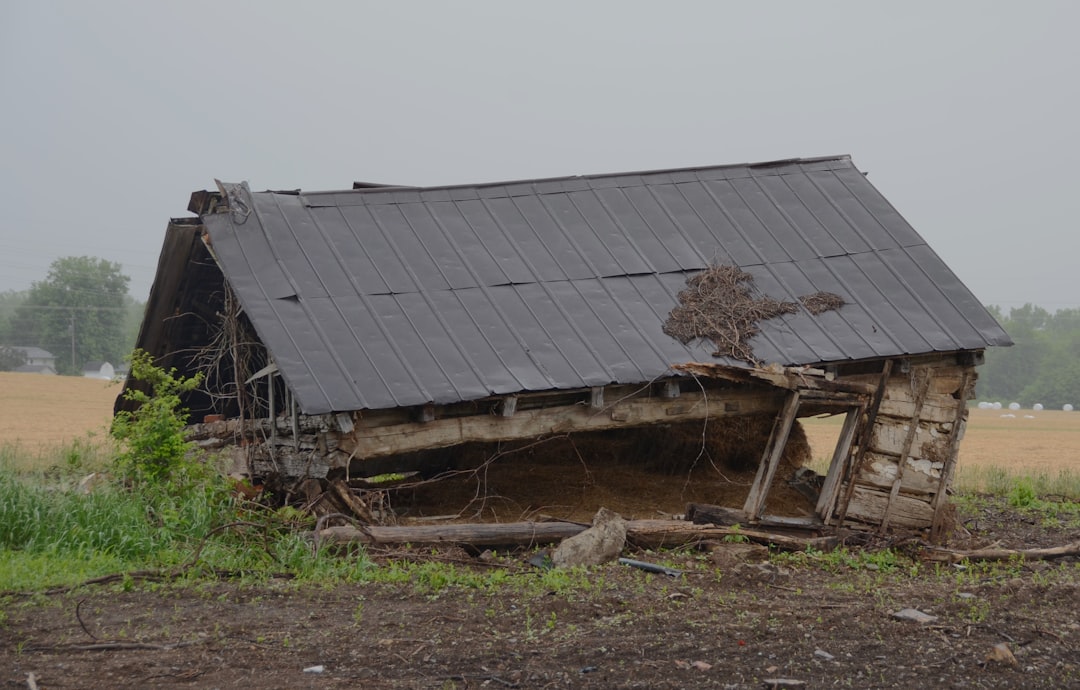
Start by clearing out branches, debris, and items ruined by water. This process is labor-intensive and should be performed using gloves, boots, and protective gear.
Sort debris into different piles:
- Construction materials (drywall, insulation, lumber)
- Vegetative waste (tree branches, leaves)
- Appliances and furniture
- Household hazardous waste (paint cans, batteries)
Your local government or FEMA may organize disposal stations or curbside pickups after a disaster—check your city’s website for info.
6. Water Damage Remediation
Water is a common culprit after a storm and can cause long-term structural issues and health hazards if not dealt with promptly. You may want to hire a professional water damage restoration service to handle major flooding, but for smaller jobs, you can:
- Use wet/dry vacuums to remove pooled water
- Run dehumidifiers and fans 24/7
- Remove water-logged drywall and insulation
- Disinfect surfaces with anti-microbial treatments
Moisture meters are useful tools for making sure walls and floors are truly dry before repainting or reinstalling drywall.
7. Hire Qualified Professionals
Unless you’re experienced in property restoration, you’ll need the help of licensed contractors to restore structural integrity to your home. Here’s who you might need:
- General contractors to coordinate rebuilding efforts
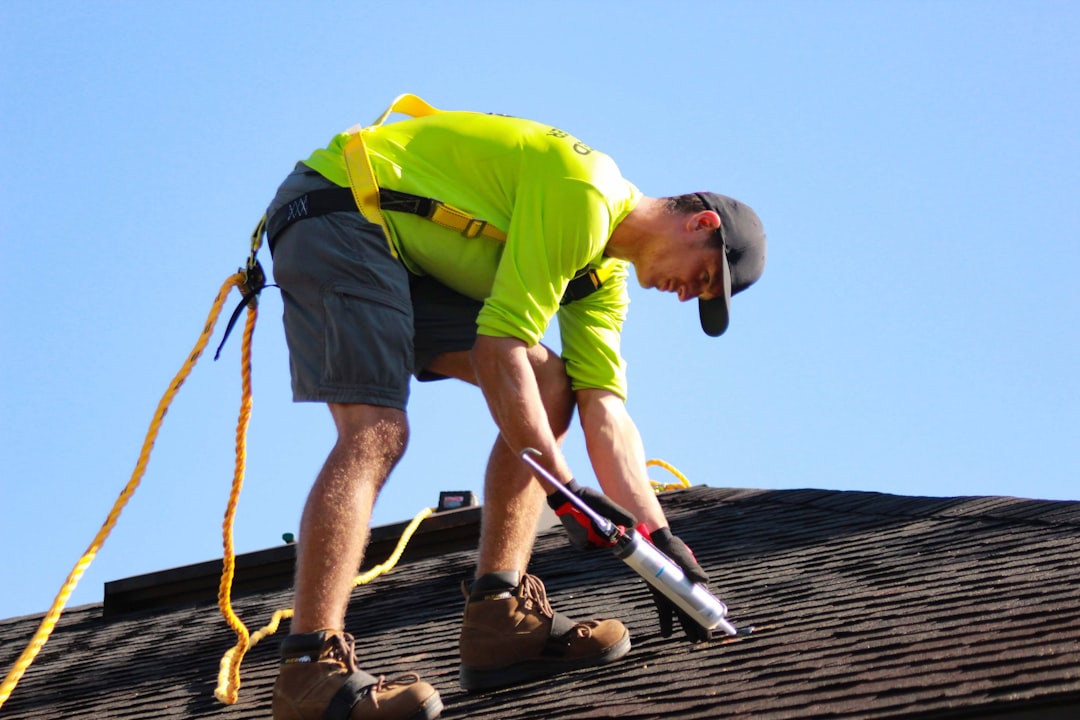
- Roofers for shingle or structure replacement
- Electricians for wiring inspection or repairs
- Plumbers if pipes have been damaged or ruptured
Always verify licenses and ask for references before hiring. Be cautious of companies that show up unsolicited or request payment upfront—scammers often target storm-hit neighborhoods.
8. Restore Landscaping and Exterior Elements
Storms often uproot trees, scatter gravel, or destroy gardens and fences. Landscaping should be the final phase of your property’s restoration.
Inspect the ground around your home’s foundation—erosion caused by heavy rain can lead to serious drainage issues in the future. Add soil or gravel as necessary to redirect water away from the home.
When replanting trees or shrubs, consider native vegetation that’s better adapted to local climate extremes. Reinforce fences with concrete footings and choose wind-resistant materials like wrought iron or vinyl for durability.
9. Review and Fortify for the Future
After restoration, the final step is to make your property more storm-resilient for next time. Conduct a post-mortem of what failed and what held up well during the storm.
Some preventive upgrades include:
- Hurricane straps to secure the roof to wall studs
- Impact-resistant windows or storm shutters
- Gutters and French drains to manage water runoff
- Home elevation in flood-prone areas
Partner with your local emergency management office to review resources and risk reduction strategies tailored to your local geography.
10. Emotional Recovery and Support
While physical damage is obvious, the emotional toll of a disaster shouldn’t be underestimated. Home is our sanctuary, and seeing it destroyed can lead to stress, anxiety, and even trauma.
Reach out to organizations such as the American Red Cross or local community agencies for emotional support, temporary housing, and counseling resources. Talking with others going through the same challenges can ease the burden significantly.
In Conclusion
Restoring your property after a major storm involves much more than simply fixing broken walls and roofs—it requires strategic thinking, patience, and a willingness to adapt. From initial safety measures to long-term prevention planning, each step plays a crucial role in building back both stronger and smarter.
Don’t hesitate to lean on professionals and community resources. With resilience and time, your space can once again become the safe and beautiful place it was before the storm struck.