Modern software systems are expected to scale instantly, adapt to shifting user demands, and integrate seamlessly with countless services. Traditional, tightly coupled architectures struggle to meet these requirements. Event-Driven Architecture (EDA) software has emerged as a powerful solution for building flexible, responsive systems that evolve over time without breaking under pressure.
TL;DR: Event-Driven Architecture enables systems to respond to changes in real time by reacting to events rather than relying on rigid request-response models. It improves scalability, flexibility, and resilience by decoupling services and allowing them to communicate asynchronously. Popular EDA tools such as Kafka, RabbitMQ, and AWS EventBridge support reliable event streaming and processing. Organizations use EDA to build agile, cloud-native systems that can evolve quickly without costly redesigns.
By shifting from monolithic structures to loosely connected services that react to events, companies gain agility and resilience. In an environment where digital transformation is constant, event-driven systems have become the backbone of modern applications.
What Is Event-Driven Architecture?
Event-Driven Architecture is a design pattern in which components communicate through the production, detection, and reaction to events. An event represents a change in state, such as a user placing an order, a file being uploaded, or a sensor detecting movement.
Instead of calling services directly and waiting for responses, components emit events to a broker or event bus. Other components subscribe to relevant events and act accordingly. This asynchronous communication model reduces dependencies and improves flexibility.
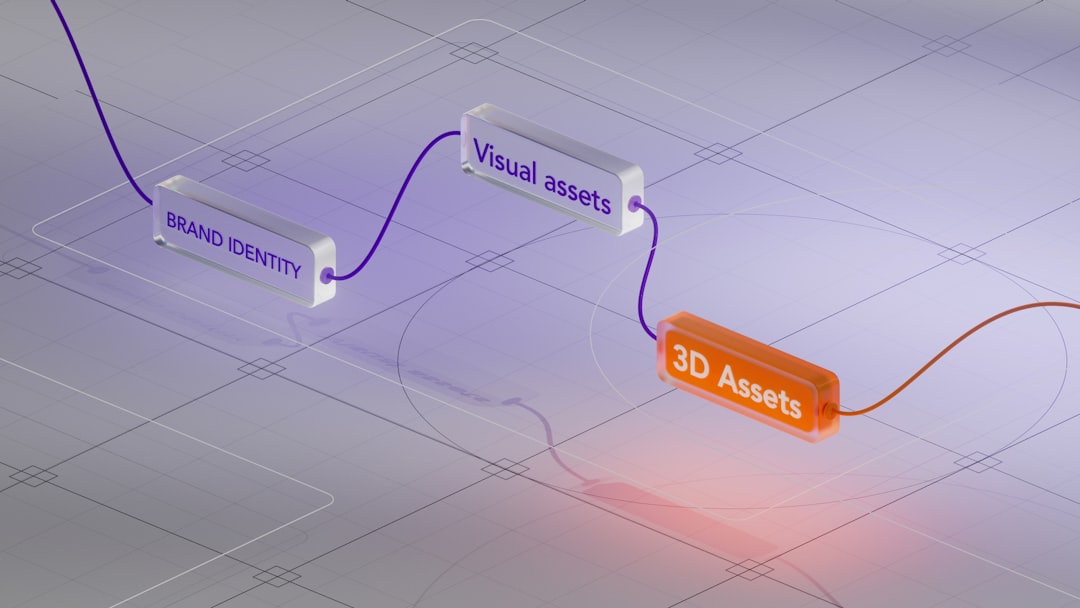
Core elements of an event-driven system include:
- Event Producers: Services or components that emit events.
- Event Brokers: Middleware that routes and stores events.
- Event Consumers: Services that process and respond to events.
- Event Channels: Topics, queues, or streams that transport data.
This structure enables independent scaling, faster innovation, and improved fault tolerance.
Why Flexible Systems Matter
Organizations operate in dynamic markets where user expectations change rapidly. Rigid systems built with tight coupling become difficult to modify and scale.
Flexibility in software architecture allows teams to:
- Add new features without rewriting core systems
- Scale services independently
- Integrate third-party applications with ease
- Adapt to sudden spikes in demand
- Recover gracefully from failures
Event-driven systems naturally support these goals by separating concerns. When one service changes, others remain unaffected as long as the event contracts remain intact.
How Event-Driven Architecture Builds Resilience
Resilience is a direct benefit of decoupling. Since services do not rely on synchronous responses, temporary failures do not cascade throughout the system.
For example:
- If a recommendation service fails, checkout operations can still proceed.
- If an analytics component is offline, events can be stored and processed later.
- If traffic spikes, brokers can buffer events until consumers catch up.
This resilience is critical for industries such as finance, healthcare, e-commerce, and IoT, where downtime translates directly into lost revenue or safety risks.
Popular Event-Driven Architecture Software
Several platforms and tools support event-driven systems. Each offers unique strengths depending on business needs.
1. Apache Kafka
Apache Kafka is a distributed event streaming platform known for high throughput and fault tolerance. It is widely used for real-time analytics and large-scale data pipelines.
- High durability and replication
- Stream processing capabilities
- Strong ecosystem integration
2. RabbitMQ
RabbitMQ is a lightweight message broker that supports multiple messaging protocols. It is well-suited for traditional queuing and background job processing.
- Flexible routing options
- Easy to deploy
- Strong community support
3. AWS EventBridge
A fully managed event bus service from AWS, EventBridge simplifies building serverless and cloud-native applications.
- Seamless AWS integration
- Automatic scaling
- Minimal operational overhead
4. Azure Event Grid
Microsoft’s event routing service supports reactive, scalable systems within the Azure ecosystem.
- Native Azure integration
- High availability
- Pay-per-use pricing model
5. Google Pub/Sub
A global messaging service for event ingestion and delivery with strong emphasis on scalability and simplicity.
- Global distribution
- Automatic scaling
- Reliable message delivery
Comparison Chart of Event-Driven Architecture Tools
| Tool | Best For | Deployment Model | Scalability | Operational Complexity |
|---|---|---|---|---|
| Apache Kafka | High-volume data streaming | Self-managed or cloud | Very High | Moderate to High |
| RabbitMQ | Message queuing | Self-managed or cloud | Moderate | Low to Moderate |
| AWS EventBridge | Serverless applications | Fully managed | High | Low |
| Azure Event Grid | Azure-based systems | Fully managed | High | Low |
| Google Pub/Sub | Global distributed apps | Fully managed | Very High | Low |
Key Benefits of Event-Driven Software
Adopting EDA software offers several strategic advantages:
1. Scalability
Services can scale independently based on the volume of events they process.
2. Faster Development
Teams can work on separate components without waiting for changes in other services.
3. Real-Time Processing
Events are processed as they occur, enabling live dashboards, instant alerts, and dynamic personalization.
4. Improved Fault Isolation
Failures remain contained within individual services rather than spreading across the system.
5. Better Integration
EDA simplifies integration with external partners and third-party apps through standardized event contracts.

Common Implementation Patterns
Event-driven systems can follow several recognized patterns:
- Event Notification: Events signal that a change occurred, without carrying full data payloads.
- Event-Carried State Transfer: Events contain detailed data to avoid additional lookups.
- Event Sourcing: State changes are stored as a sequence of events.
- CQRS (Command Query Responsibility Segregation): Separates read and write operations for scalability.
Choosing the right pattern depends on complexity, regulatory requirements, and consistency needs.
Challenges to Consider
While powerful, event-driven systems are not without challenges:
- Eventual Consistency: Data may not reflect changes instantly across all services.
- Monitoring Complexity: Tracking distributed events requires advanced observability tools.
- Schema Management: Changes to event structure must be handled carefully.
- Debugging Difficulty: Asynchronous flows can be harder to trace.
Organizations address these issues with schema registries, centralized logging, distributed tracing, and well-documented event contracts.
Use Cases Across Industries
Event-driven architecture is widely applicable:
- E-commerce: Order processing, inventory updates, and payment confirmations.
- Finance: Fraud detection and transaction monitoring.
- Healthcare: Real-time patient monitoring.
- IoT: Device communication and telemetry collection.
- Media Streaming: Real-time content recommendations.
These use cases highlight the versatility of event-driven software in managing large volumes of dynamic data.
The Future of Flexible Systems
As organizations embrace microservices, serverless computing, and hybrid cloud environments, Event-Driven Architecture will continue to grow in importance. Artificial intelligence systems increasingly rely on event streams for real-time inference. Edge computing devices generate massive event flows that must be processed efficiently.
The shift toward composable architectures makes event-driven design not just an option, but a necessity. Businesses that invest in EDA software position themselves for sustainable growth, continuous innovation, and rapid adaptation in a constantly evolving digital landscape.
Frequently Asked Questions (FAQ)
1. What is the main advantage of Event-Driven Architecture?
The primary advantage is flexibility through decoupled components that communicate asynchronously, enabling scalability and resilience.
2. How is EDA different from traditional request-response architecture?
Traditional systems rely on synchronous calls between services. EDA uses events to trigger actions, allowing services to operate independently.
3. Is Event-Driven Architecture suitable for small projects?
It can be, but it is most beneficial for systems that require scalability, real-time processing, or complex integrations.
4. What are the risks of adopting EDA?
Risks include increased operational complexity, eventual consistency challenges, and the need for advanced monitoring tools.
5. Can Event-Driven Architecture work with microservices?
Yes. EDA complements microservices by enabling independent services to communicate efficiently without tight coupling.
6. Do cloud platforms support event-driven systems?
Major cloud providers offer fully managed event services, making it easier to implement and scale event-driven architectures.