YouTube is one of the most widely used video platforms in the world, but access to it is not always available everywhere. In schools, workplaces, libraries, public networks, or certain regions, users may encounter restrictions that prevent videos from loading. The phrase “YouTube unblocked” generally refers to ways people describe accessing YouTube when it is restricted by a network, device setting, organization, or location.
TLDR: YouTube unblocked means accessing YouTube in places where it may be restricted, such as schools, offices, or controlled public networks. It usually involves a network rule, content filter, or geographic limitation being bypassed, removed, or replaced by approved access. The safest and most appropriate approach is to understand why YouTube is blocked and use legal, permitted methods rather than risky shortcuts. Users should always respect local rules, workplace policies, school guidelines, and copyright laws.
What Does “YouTube Unblocked” Mean?
YouTube unblocked is not an official YouTube product or a single specific website. Instead, it is a general term used to describe a situation where YouTube becomes accessible after previously being unavailable. The block may come from a school network, company firewall, government-level restriction, parental control system, internet service provider, or device management software.
For example, a student using a school Wi-Fi network may find that YouTube does not open because the school has restricted entertainment websites during class hours. An employee may experience the same issue at work if the organization limits streaming services to preserve bandwidth or reduce distractions. In another case, a video may be unavailable in a certain country due to licensing agreements or regional laws.
In simple terms, YouTube is “blocked” when something between the user and YouTube prevents access. It is “unblocked” when that barrier no longer stops the connection, either because permission is granted, settings are changed, or the user connects through a different approved route.

Why Is YouTube Blocked?
There are many reasons a network administrator, organization, or platform may limit access to YouTube. These reasons are not always negative; in many cases, restrictions are put in place for practical, legal, or safety-related purposes.
- Productivity concerns: Workplaces may block YouTube to reduce distractions during working hours.
- Educational focus: Schools may restrict YouTube so students stay focused on lessons rather than entertainment content.
- Bandwidth management: Video streaming consumes significant data, so organizations may block it to keep the network fast for essential tasks.
- Age-appropriate access: Parents, schools, and libraries may restrict YouTube to protect younger users from unsuitable content.
- Security policies: Some organizations block streaming platforms to reduce exposure to suspicious ads, links, or embedded content.
- Regional licensing: Some videos are unavailable in certain countries due to copyright, broadcasting, or distribution rules.
- Government restrictions: In some regions, access to YouTube may be limited due to local regulations or political reasons.
Understanding the reason behind a block is important. A blocked video at school is very different from a blocked video caused by licensing restrictions. The appropriate response depends on the source and purpose of the limitation.
How Does YouTube Blocking Work?
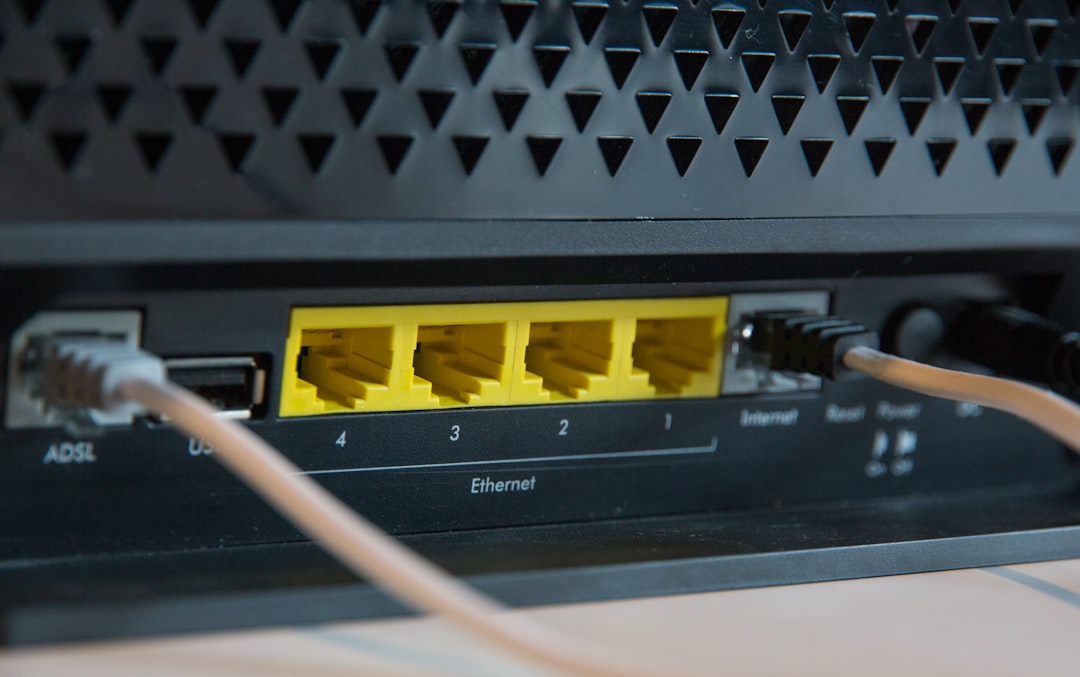
YouTube blocking usually works by interrupting or filtering the connection between a device and YouTube’s servers. When a user types youtube.com into a browser or opens the YouTube app, the device sends a request over the internet. A network filter, firewall, DNS service, router, or device management tool can examine that request and decide whether to allow it.
Common blocking methods include:
- Website filtering: A network may maintain a list of blocked domains, such as youtube.com, and prevent those pages from loading.
- DNS blocking: DNS acts like an internet address book. If the DNS service refuses to resolve YouTube’s address, the browser cannot find the site.
- Firewall rules: A firewall can block traffic to certain websites, apps, ports, or services.
- Keyword filtering: Some systems examine page names or search terms and block content related to specific topics.
- Device restrictions: Managed laptops, tablets, or phones may have software that blocks certain apps or websites regardless of the network used.
- Geographic controls: Content owners may limit video availability based on the viewer’s country or region.
In most cases, the user sees an error message, a blank page, a “site cannot be reached” warning, or a notice stating that the website is restricted by the organization.
How Does YouTube Become Unblocked?
YouTube becomes unblocked when the restriction is removed, changed, or no longer applies. In a formal setting, this may happen when an administrator grants access for a specific class, department, device, or user group. For example, a teacher may request access to educational videos, and the school’s IT team may allow YouTube only for approved channels or classroom accounts.
In some organizations, YouTube is not fully blocked but filtered. Educational content may be allowed, while entertainment, comments, live chats, or certain categories remain restricted. This approach is often called selective access or content filtering.
At home, a parent may unblock YouTube by adjusting parental controls, screen time settings, or router filters. For region-based blocks, access depends on licensing arrangements and local rules, which may change over time.
Common Technologies Associated With YouTube Unblocked
When people search for YouTube unblocked, they often encounter terms related to internet routing and privacy. These technologies can change how a device connects to websites, but they should be used responsibly and in accordance with applicable rules.
- Approved network permissions: The safest method is official permission from the school, employer, library, or network owner.
- Content filtering tools: Some systems allow only educational YouTube channels or age-appropriate videos.
- Parental control settings: Parents or guardians can allow access for specific users, time periods, or content categories.
- Restricted Mode: YouTube’s Restricted Mode helps filter potentially mature content, though it is not perfect.
- Private or alternative networks: A user may access YouTube through a personal mobile connection if permitted and appropriate.
- Privacy tools: Some tools route traffic differently, but they may violate school or workplace rules if used to avoid restrictions.
It is important to note that some websites claiming to offer “YouTube unblocked” may be unsafe. They may contain intrusive ads, malware, tracking scripts, fake video players, or phishing attempts. A user who enters personal information into an unfamiliar site may risk account theft or privacy loss.
Legal and Ethical Considerations
Accessing YouTube is not simply a technical issue. There are also legal, ethical, and policy-related concerns. If a school or workplace blocks YouTube, the restriction is usually part of an acceptable use policy. Ignoring that policy can lead to consequences such as loss of network privileges, disciplinary action, or employment issues.
In schools, restrictions are often designed to protect students and maintain an appropriate learning environment. In workplaces, restrictions may protect productivity, security, or data resources. On public networks, limitations may exist to keep the connection usable for everyone.
For that reason, the most responsible approach is to ask for access when there is a legitimate need. A teacher, student, employee, or researcher can often explain why a specific video or channel is required. In many cases, administrators may allow access to certain resources without opening the entire platform.
Benefits of Properly Unblocking YouTube
When YouTube access is managed properly, it can provide real value. YouTube is not only an entertainment platform; it also hosts lectures, tutorials, documentaries, product demonstrations, language lessons, coding guides, music theory classes, repair instructions, and news coverage.
Some benefits include:
- Educational support: Teachers can use videos to explain complex topics visually.
- Skill development: Users can learn practical skills such as design, programming, cooking, fitness, and home repair.
- Accessibility: Captions, translations, and playback controls can make information easier to understand.
- Professional training: Businesses can use YouTube for software tutorials, product training, and industry updates.
- Research and awareness: Viewers can access interviews, recorded events, and expert explanations.
Because of these benefits, many institutions choose not to block YouTube completely. Instead, they use filters, supervised access, or approved playlists to balance usefulness with safety.
Risks of Unsafe YouTube Unblocked Sites
Many third-party websites use the phrase YouTube unblocked to attract users looking for quick access. However, not all of these services are trustworthy. Some may copy the appearance of legitimate video platforms while exposing users to security threats.
Potential risks include:
- Malware: Unsafe sites may encourage downloads that contain harmful software.
- Phishing: Fake login prompts may try to steal Google account credentials.
- Privacy tracking: Unknown services may collect browsing activity or personal data.
- Inappropriate content: Unfiltered sites may expose younger users to unsuitable material.
- Policy violations: Using unauthorized access methods may break school or workplace rules.
- Poor performance: Unofficial video mirrors may be slow, unstable, or filled with pop-ups.
Users should be cautious when a site promises instant access, requires unusual permissions, or asks for personal information. Legitimate access should not require a user to install unknown extensions or enter passwords into unfamiliar pages.
Safer Alternatives to Bypassing Restrictions
Instead of trying to work around a block without permission, users can consider safer and more appropriate options. These alternatives help preserve security while still allowing access to useful content.
- Request access from an administrator: If the video is needed for education or work, a formal request is often the best solution.
- Use approved educational platforms: Some schools provide curated video libraries or learning management systems.
- Ask for specific video whitelisting: Administrators may allow one channel, playlist, or video without unblocking all of YouTube.
- Use YouTube Restricted Mode: This can help reduce exposure to mature content when full access is allowed.
- Download approved materials in advance: Teachers and presenters may prepare authorized resources before entering a restricted network.
- Use personal data only where permitted: In some settings, a user may watch videos on a personal device and connection, as long as it does not violate rules.
The Role of YouTube Restricted Mode
YouTube Restricted Mode is often related to discussions about unblocked access. It is a setting designed to filter out potentially mature content. Schools, libraries, and parents may use it to make YouTube more appropriate for younger audiences.
Restricted Mode does not unblock YouTube by itself, but it can make administrators more comfortable allowing access. For example, a school may permit YouTube only when Restricted Mode is enforced across managed devices. This creates a middle ground between full access and a complete block.
However, Restricted Mode is not flawless. It may block some harmless videos or allow some content that not everyone considers appropriate. Therefore, it works best as one part of a broader content management strategy.
Conclusion
YouTube unblocked refers to accessing YouTube after it has been restricted by a network, device, organization, or location. It works through changes in filtering rules, permissions, routing, parental controls, or regional availability. While the technical side can be complex, the most important point is simple: access should be safe, legal, and respectful of the rules that apply in that environment.
YouTube can be a powerful educational and professional resource when used responsibly. The best solution is usually not to search for risky shortcuts, but to understand why the block exists and seek approved access when there is a valid reason. This approach protects users, networks, and organizations while still making useful video content available when appropriate.
FAQ
What is YouTube unblocked?
YouTube unblocked means YouTube is accessible in a place where it was previously restricted. This may happen because a network administrator allows it, a filter is changed, parental controls are adjusted, or regional access becomes available.
Is YouTube unblocked an official YouTube service?
No. The phrase is not the name of an official YouTube feature. It is a general term people use when talking about accessing YouTube despite restrictions.
Why do schools block YouTube?
Schools may block YouTube to reduce distractions, protect students from inappropriate content, save bandwidth, and keep students focused on learning. Some schools allow educational videos through approved channels or filtered access.
Why do workplaces block YouTube?
Workplaces may restrict YouTube to improve productivity, reduce bandwidth use, and lower security risks. However, some organizations allow access for training, marketing, research, or technical support purposes.
Is it legal to access YouTube when it is blocked?
It depends on the situation. Accessing YouTube is generally legal in many places, but bypassing school, workplace, or government restrictions may violate policies, contracts, or local laws. Users should follow the rules that apply to their network and location.
Are YouTube unblocked websites safe?
Not always. Some third-party sites that claim to unblock YouTube may contain malware, phishing pages, aggressive ads, or privacy risks. Users should be cautious and avoid entering passwords or downloading unknown files.
Can YouTube be unblocked for educational use only?
Yes. Many schools and organizations use filtering tools that allow specific videos, channels, or educational categories while blocking unrelated content. This is often safer than allowing unrestricted access.
What is the safest way to unblock YouTube?
The safest method is to request permission from the network owner, school administrator, employer, or parent. If access is needed for a legitimate reason, approved access can often be arranged without creating security or policy problems.
Does YouTube Restricted Mode unblock videos?
Restricted Mode does not unblock YouTube by itself. Instead, it filters potentially mature content. Some organizations use it as a condition for allowing YouTube access on their networks.
Why are some YouTube videos blocked by country?
Some videos are restricted because of copyright agreements, licensing rules, local laws, or content owner preferences. In those cases, availability may vary depending on the viewer’s region.