In a world where video content dominates social media feeds, online courses, marketing campaigns, and corporate communication, subtitles are no longer optional—they are essential. Whether you are targeting a global audience, improving accessibility, or increasing engagement rates, video subtitle generator platforms offer an efficient solution for adding accurate captions without hours of manual effort.
TLDR: Video subtitle generator platforms use AI-powered speech recognition to quickly convert spoken words into accurate captions. They improve accessibility, boost engagement, and expand global reach through multilingual support and easy editing tools. Modern platforms also offer customization options, automatic syncing, and export formats for various social media channels. Choosing the right tool depends on your workflow, budget, and desired level of automation.
Why Subtitles Matter More Than Ever
Subtitles have evolved from being a simple accessibility feature to becoming a powerful engagement strategy. Studies consistently show that viewers are more likely to watch videos until the end when captions are enabled—especially on mobile devices where sound may be muted by default.
Here’s why subtitles are crucial:
- Accessibility: Supports viewers who are deaf or hard of hearing.
- Sound-off viewing: Many social media users scroll without audio.
- Global reach: Translated subtitles open doors to international markets.
- SEO benefits: Text transcripts improve discoverability.
- Higher retention: Viewers understand and remember content more effectively.
As video consumption continues to rise, subtitle generator platforms have stepped in to streamline caption creation with automation and intelligent editing features.
How Video Subtitle Generator Platforms Work
Most modern subtitle platforms rely on Automatic Speech Recognition (ASR) technology powered by artificial intelligence. These systems analyze audio tracks, convert speech into text, and align the captions with video timing automatically.
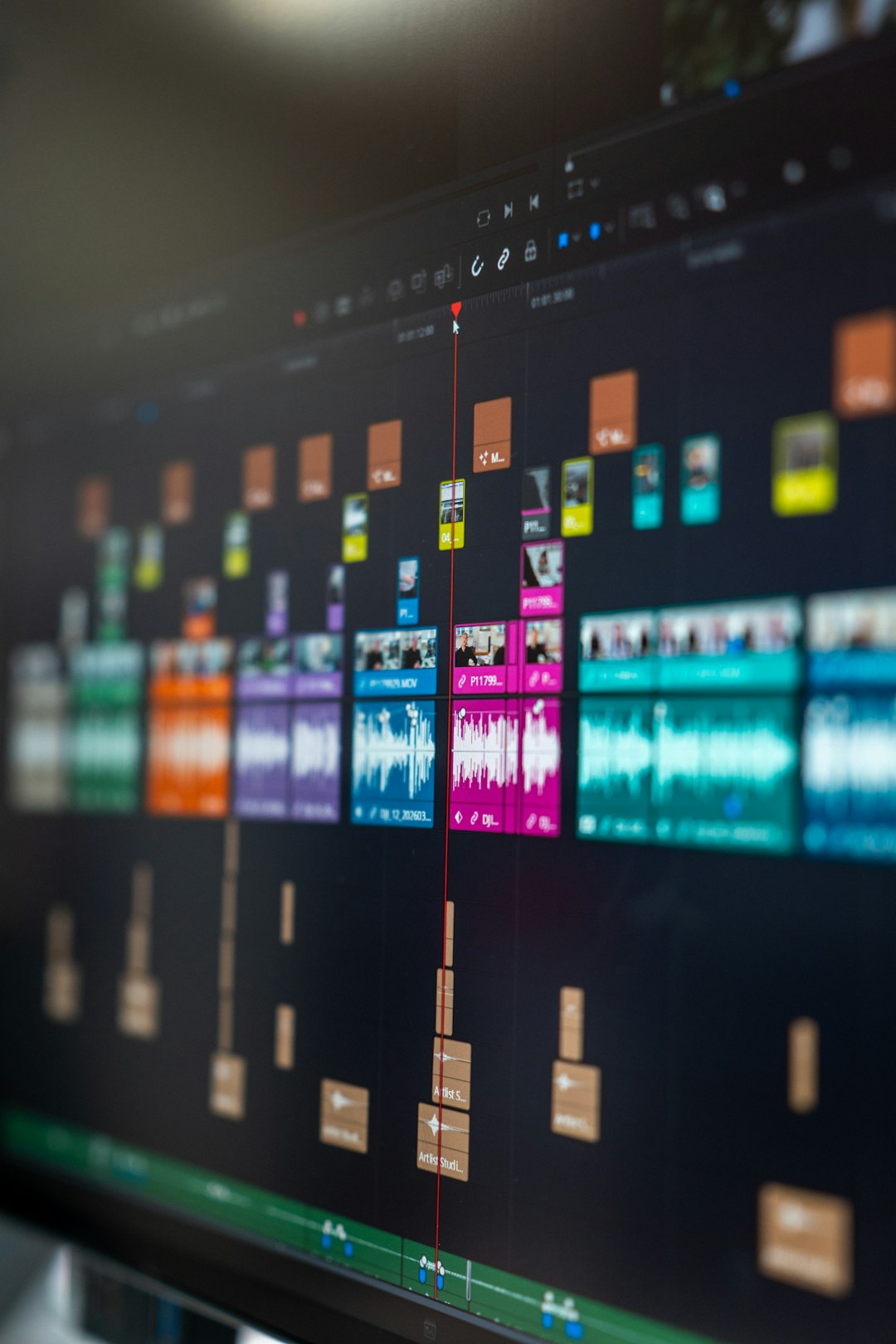
The general workflow looks like this:
- Upload your video: Common formats include MP4, MOV, and AVI.
- Automatic transcription: AI analyzes spoken content.
- Time synchronization: Subtitles are aligned to the speech.
- Edit and refine: Users correct errors and adjust formatting.
- Export: Download as SRT, VTT, or hardcoded video with captions.
Advanced platforms also offer automatic punctuation, speaker detection, and real-time translations to streamline the process further.
Key Features to Look For
Not all subtitle generators are created equal. When evaluating options, consider these essential features:
1. High Transcription Accuracy
Accuracy rates vary depending on audio quality, accents, and background noise. Platforms with strong AI models perform significantly better in real-world conditions.
2. Multilingual Support
If your audience is global, multi-language transcription and translation features are invaluable. Some tools offer automated translation into dozens of languages with a single click.
3. Editing Flexibility
Look for intuitive timeline editors that allow you to:
- Split or merge subtitle blocks
- Adjust timing precisely
- Change text formatting
- Correct speaker names
4. Styling and Branding Options
Custom fonts, colors, and positioning ensure subtitles align with your brand identity. This is especially important for marketers and content creators.
5. Multiple Export Formats
Depending on your publishing platform, you may need different file formats. Common options include:
- SRT for universal compatibility
- VTT for web platforms
- Burned-in captions for social media
Benefits of Automated Subtitle Platforms
Switching from manual captioning to automated platforms dramatically increases productivity and scalability.

Time Efficiency
Manual transcription can take four to five times longer than the length of the video itself. AI-powered tools reduce this to minutes.
Cost Savings
Hiring professional transcriptionists may be justified for certain projects, but for high-volume creators, automated systems provide significant cost savings without sacrificing quality.
Consistency Across Projects
Subtitle platforms standardize formatting and ensure cohesive styling across multiple videos—essential for brand consistency.
Scalability for Businesses
Companies producing training materials, webinars, or marketing campaigns benefit from bulk processing capabilities that handle large libraries efficiently.
Common Use Cases
Video subtitle generator platforms are versatile tools serving a wide range of professionals:
- Content Creators: Enhance engagement on social media platforms.
- Educators: Improve comprehension in e-learning materials.
- Marketers: Increase ad watch time and conversion rates.
- Corporate Teams: Support accessible communication.
- Media Agencies: Manage high-volume post-production workflows.
Each use case may require slightly different functionality, so understanding your primary objective helps narrow down your platform choice.
AI vs. Human Captioning: What’s the Difference?
While AI subtitle platforms are incredibly advanced, human captioning still offers advantages in nuanced contexts.
AI Captioning:
- Fast and automated
- Cost-efficient
- Ideal for large-scale projects
Human Captioning:
- Greater contextual accuracy
- Better at handling slang and complex terminology
- Suitable for legal or broadcast environments
A hybrid approach is often ideal—generate automatic subtitles first, then refine them manually for optimal precision.
Best Practices for Adding Subtitles Efficiently
Even with powerful tools, following best practices ensures professional results.

- Use clear audio: High-quality recordings improve transcription accuracy.
- Keep subtitle length readable: Limit lines to avoid overwhelming viewers.
- Maintain proper timing: Subtitles should sync naturally with speech rhythm.
- Choose legible fonts: Sans-serif fonts work best for clarity.
- Test on multiple devices: Ensure readability on smartphones and tablets.
Attention to these details significantly enhances viewer experience.
Challenges and Limitations
Despite technological advancements, subtitle generator platforms are not flawless.
- Background Noise: Can reduce transcription accuracy.
- Heavy Accents: AI may misinterpret unfamiliar pronunciations.
- Technical Jargon: Industry-specific terms may require manual correction.
- Formatting Nuances: Automated systems may need style adjustments.
Regular quality checks and minor edits usually resolve these issues quickly.
The Future of Subtitle Generation
AI-driven language models are evolving rapidly. Future subtitle platforms are expected to include:
- Real-time translation with near-human accuracy
- Emotion detection for more context-aware captions
- Voice cloning for multilingual dubbing
- Deeper integration with video editing software
As machine learning continues improving, subtitle creation will become even smoother, faster, and more accurate. The gap between automated and human captioning will continue to shrink.
Choosing the Right Platform for Your Needs
Before committing to a subtitle generator, consider:
- Your video volume – Are you processing weekly uploads or occasional content?
- Your audience – Do you require multi-language subtitles?
- Your budget – Monthly subscription vs. pay-per-minute pricing.
- Your workflow – Need integration with editing software?
Free trials are often available, allowing you to test accuracy and ease of use before investing long-term.
Conclusion
Video subtitle generator platforms have revolutionized how creators and businesses add captions efficiently. By leveraging AI-powered automation, these tools eliminate the tedious aspects of manual transcription while maintaining high levels of accuracy and customization. Subtitles are no longer just an accessibility feature—they are a strategic advantage in increasing reach, engagement, and inclusivity.
As video continues to dominate digital communication, investing in the right subtitle platform ensures your content remains accessible, engaging, and future-ready. Efficient subtitle generation is not just a convenience—it is a competitive necessity in today’s content-driven landscape.