Small businesses in 2026 face an increasingly complex digital advertising landscape. Rising ad costs, fragmented platforms, automation tools, and AI-driven targeting have transformed how companies connect with customers. AdTrax has emerged as a popular advertising management platform designed to simplify campaign tracking, optimization, and reporting for smaller teams with limited resources. But is it the right solution for every small business?
TLDR: AdTrax offers powerful automation, centralized analytics, and AI-driven optimization, making it attractive for small businesses with limited marketing staff. However, pricing, learning curve, feature limitations on entry plans, and integration gaps may present challenges. Businesses that rely heavily on multi-channel ads can benefit most, while very small or budget-strapped teams may need to evaluate alternatives. Understanding both the pros and cons is essential before committing in 2026.
What Is AdTrax?
AdTrax is a cloud-based advertising management platform that helps businesses track, optimize, and automate online ad campaigns across multiple channels, including social media, search engines, and display networks. It positions itself as an all-in-one dashboard for small and mid-sized businesses that want enterprise-style insights without hiring a dedicated analytics team.
Key functionality typically includes:
- Multi-platform campaign tracking
- AI-powered budget optimization
- Conversion reporting and analytics
- Automated A/B testing
- Custom performance dashboards
In 2026, where data fragmentation is one of the biggest challenges for smaller organizations, tools like AdTrax promise clarity and efficiency. However, the reality depends on specific business needs.
5 AdTrax Pros for Small Businesses
1. Centralized Campaign Management
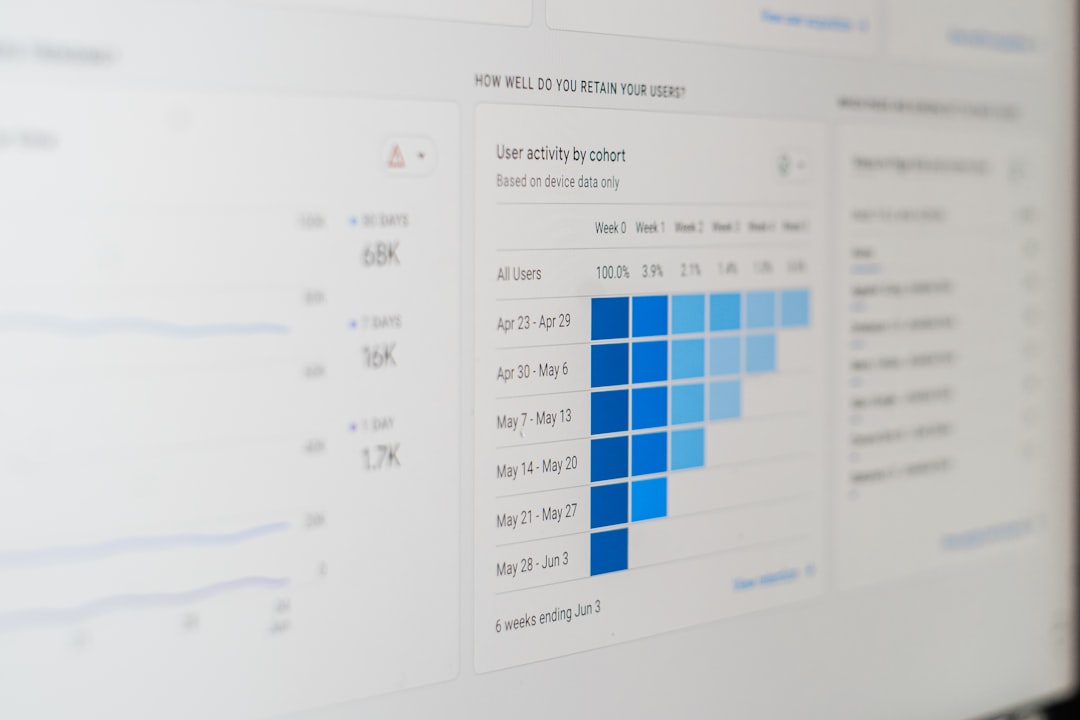
One of AdTrax’s strongest benefits is the ability to manage multiple advertising platforms from a single interface. Instead of switching between Meta Ads Manager, Google Ads, TikTok Ads, and other dashboards, business owners can review performance in one place.
Why this matters in 2026:
- Ad platforms are increasingly complex
- Reporting metrics vary drastically by channel
- Time savings directly impact ROI
For small teams with one marketing manager (or even a business owner handling ads personally), centralization reduces confusion and improves decision-making speed.
2. AI-Driven Budget Optimization
AdTrax integrates machine learning algorithms to reallocate ad budgets based on performance. If Instagram ads outperform search campaigns during a specific period, the system can recommend or automatically adjust spending.
Advantages include:
- Reduced manual monitoring
- Lower chance of overspending on underperforming ads
- Continuous optimization without daily oversight
In a time where ad costs fluctuate daily due to bidding competition, automated optimization can significantly improve return on ad spend (ROAS). For businesses without a full-time digital strategist, this feature alone may justify the platform cost.
3. User-Friendly Reporting Tools
Many analytics tools overwhelm small business users with overly technical dashboards. AdTrax focuses on simplified reporting, visual dashboards, and exportable summaries designed for non-technical stakeholders.
Reports often highlight:
- Cost per click (CPC)
- Conversion rate
- Customer acquisition cost (CAC)
- Return on ad spend (ROAS)
The ability to present clear visuals to owners, investors, or franchise managers makes this a practical advantage for fast-growing companies.
4. Automation of A/B Testing
Testing ad creatives, headlines, and targeting segments is crucial in modern advertising. AdTrax automates portions of A/B testing by identifying winning creatives and suggesting or implementing swaps.
This allows businesses to:
- Quickly eliminate underperforming ads
- Improve engagement metrics
- Increase overall campaign efficiency
Automation reduces guesswork and helps smaller teams compete with more data-driven competitors.
5. Scalable Infrastructure
As small businesses grow, their advertising needs expand. AdTrax offers scalable plans that allow companies to increase campaign volume, tracking features, and team access without migrating platforms.

This scalability makes it appealing for startups planning rapid expansion in 2026’s competitive environment.
5 AdTrax Cons for Small Businesses
1. Pricing Can Be High for Micro Businesses
While AdTrax targets small businesses, entry-level pricing may still be steep for solo entrepreneurs or companies spending less than $1,000 per month on ads.
Potential cost-related concerns include:
- Subscription tiers based on ad spend
- Premium charges for advanced integrations
- Add-on fees for additional users
For very small budgets, simpler built-in ad platform tools may be sufficient.
2. Learning Curve for First-Time Users
Despite its user-friendly design, AdTrax still requires onboarding and configuration. Setting up tracking pixels, integrations, and automated workflows can be visually simple but strategically complex.
Businesses without digital marketing familiarity may experience:
- Setup delays
- Misconfigured tracking
- Underutilization of advanced features
This makes initial training or consulting necessary in some cases.
3. Limited Features on Basic Plans
Some of AdTrax’s most attractive benefits — such as deeper AI forecasting or cross-channel attribution modeling — are restricted to higher-tier packages.
As a result, businesses on entry-level plans may feel constrained. Upgrading increases monthly expenses, potentially cutting into profit margins.
4. Integration Gaps with Niche Platforms
While AdTrax integrates with major advertising channels, some small businesses rely on niche industry platforms, regional ad networks, or specialized marketplaces.

If integration is not native, businesses may need:
- Manual data exports
- Third-party connectors
- Custom API configurations
This reduces the “all-in-one” advantage that the tool promotes.
5. Over-Reliance on Automation
Automation is powerful but not infallible. AI recommendations are data-dependent and may not fully account for brand strategy, seasonality, or one-time promotional campaigns.
Over-reliance can lead to:
- Missed creative opportunities
- Reduced human strategic oversight
- Campaign homogenization
Successful small businesses in 2026 typically combine automation with human insight rather than depending entirely on algorithmic adjustments.
Who Should Consider AdTrax in 2026?
AdTrax is best suited for:
- Small teams running ads across multiple platforms
- Ecommerce businesses seeking automated optimization
- Companies scaling beyond basic ad manager tools
- Businesses needing streamlined executive reporting
It may be less suitable for:
- Micro businesses with very limited budgets
- Companies advertising on only one platform
- Organizations requiring highly customized analytics infrastructure
Final Verdict
In 2026, small businesses need smart tools to compete in a saturated advertising market. AdTrax provides meaningful advantages through centralized management, AI-powered budget control, simplified reporting, and campaign automation. These strengths can significantly improve efficiency and return on investment.
However, pricing sensitivity, plan restrictions, integration limitations, and automation risks must be carefully weighed. AdTrax is not a magic solution — but for the right business profile, it can become a transformative marketing ally.
Frequently Asked Questions (FAQ)
1. Is AdTrax suitable for startups?
It can be beneficial for funded startups or rapidly growing businesses running multi-channel campaigns. However, very early-stage startups with limited ad spend may find it expensive.
2. Does AdTrax replace hiring a marketing specialist?
No. While it automates many tasks, strategic planning, creative development, and brand positioning still require human expertise.
3. Can AdTrax track offline conversions?
Some higher-tier plans support offline conversion tracking, but setup may require CRM integration or custom configuration.
4. How long does it take to set up AdTrax?
Basic setup can take a few hours, but full optimization with integrations and automation rules may take several days.
5. Are there alternatives to AdTrax?
Yes. Alternatives include platform-native ad managers, other third-party analytics dashboards, and full-service marketing agencies.
6. Is AdTrax worth it in 2026?
For small businesses running multi-platform campaigns and seeking data-driven optimization, it can provide strong value. The decision ultimately depends on advertising volume, budget, and long-term growth goals.