Digital forensics has become a critical discipline in modern investigations, supporting law enforcement, corporate security teams, legal professionals, and incident response specialists. As cybercrime, insider threats, and data breaches grow more sophisticated, the need for reliable, court-admissible digital evidence analysis tools has intensified. While Autopsy remains one of the most recognized open-source digital forensic platforms, several other powerful solutions provide comparable — and in some cases more advanced — capabilities for analyzing disks, memory, networks, and mobile devices.
TLDR: Autopsy is a widely used digital forensics tool, but it is not the only option. Tools such as FTK, X-Ways Forensics, Magnet AXIOM, and The Sleuth Kit offer powerful evidence analysis capabilities ranging from disk imaging and email examination to memory analysis and artifact recovery. Each tool differs in usability, performance, cost, and specialization. Choosing the right platform depends on investigative scope, budget, and technical expertise.
Below are four trusted digital forensics tools like Autopsy that help analyze digital evidence effectively and support thorough, defensible investigations.
1. FTK (Forensic Toolkit)
FTK, developed by AccessData, is a comprehensive commercial digital forensics platform widely used in corporate investigations and law enforcement agencies. Like Autopsy, it focuses on deep analysis of file systems, emails, registry data, and deleted artifacts. However, FTK distinguishes itself through advanced indexing and enterprise scalability.
Image not found in postmetaKey Features:
- Advanced indexing engine for rapid data searching and filtering
- Comprehensive email analysis and password recovery
- Registry viewer and system artifact analysis
- Distributed processing for handling large case loads
- Integration with FTK Imager for forensic disk acquisition
One of FTK’s strongest advantages is its ability to process large datasets efficiently. Its indexed search functionality dramatically reduces analysis time in cases involving terabytes of data. Investigators can quickly filter content based on keywords, file types, metadata, and hash values.
Strength: Scalable and efficient for enterprise-level investigations.
Limitation: Commercial licensing can be costly for small teams.
FTK is particularly well suited for financial crime investigations, corporate internal reviews, and eDiscovery environments where speed and data organization are essential.
2. X-Ways Forensics
X-Ways Forensics is a lightweight yet extremely powerful digital forensic platform known for efficiency and precision. Unlike Autopsy’s graphical approach, X-Ways offers a more technical, detail-oriented interface that appeals to experienced practitioners who prefer granular control over investigations.
Despite its compact installation size, X-Ways handles:
- Disk cloning and imaging
- RAID reconstruction
- File system analysis (NTFS, FAT, exFAT, Ext, HFS+)
- Registry and log evaluation
- Memory image interpretation
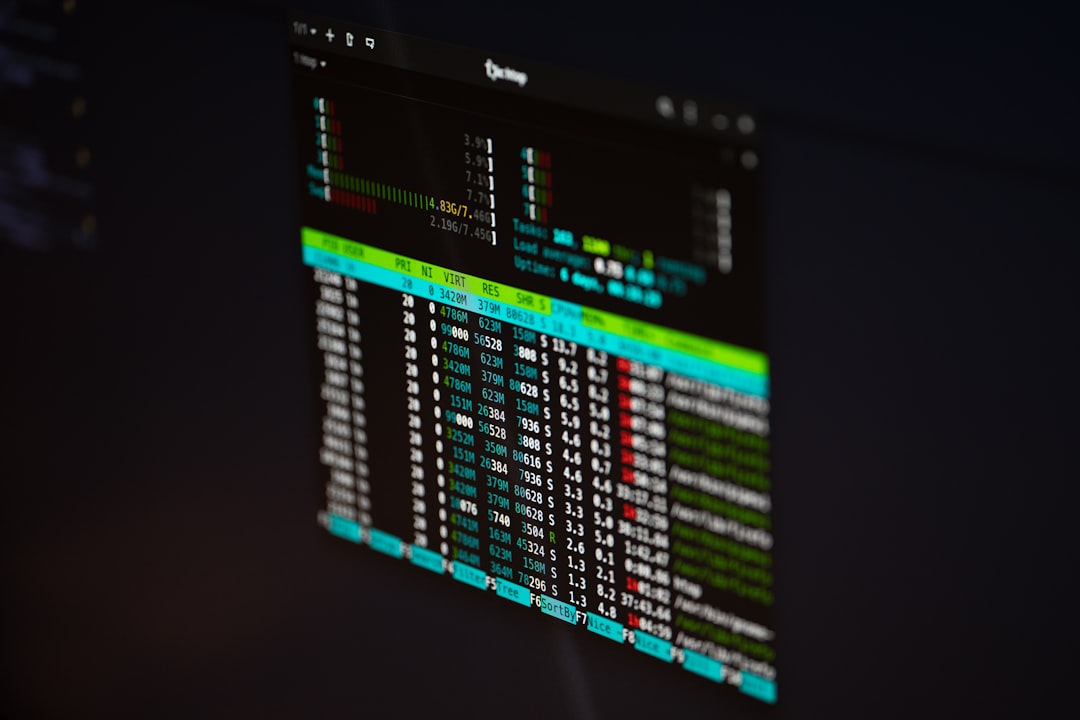
One notable advantage is performance efficiency. X-Ways runs with minimal system resource consumption, making it ideal for fieldwork or deployment on less powerful forensic laptops. It also provides a powerful hex editor, offering in-depth raw data inspection — something highly valued by seasoned forensic analysts.
Why Investigators Choose X-Ways:
- Fast processing even with large disk images
- Advanced file carving techniques
- Highly customizable workflows
- Affordable compared to many enterprise tools
Strength: Exceptional performance and detailed low-level analysis.
Limitation: Steeper learning curve for beginners.
X-Ways is particularly suited to government forensic labs and specialists requiring precise data reconstruction from damaged or partially corrupted storage media.
3. Magnet AXIOM
Magnet AXIOM is a modern digital investigation platform designed to recover and analyze artifacts from computers, mobile devices, and cloud services. While Autopsy excels in disk forensics, Magnet AXIOM expands heavily into mobile and cloud ecosystems.
As digital evidence increasingly resides in messaging applications, social media platforms, and cloud storage accounts, tools like AXIOM have become indispensable.
Core Capabilities:
- Mobile device analysis (iOS and Android)
- Cloud acquisition and artifact recovery
- Internet and chat application parsing
- Timeline-based event reconstruction
- Automated artifact categorization
AXIOM is particularly recognized for its intuitive interface and artifact-first approach. Rather than forcing investigators to manually dig through disk sectors, it presents parsed artifacts such as chat messages, images, browsing history, and account activity in a clear and organized manner.
Strength: Strong support for mobile, chat, and cloud investigations.
Limitation: Higher cost and significant system requirements.
For investigations involving insider data theft, harassment cases, cryptocurrency tracing, or digital communications analysis, Magnet AXIOM provides a broader ecosystem view than traditional disk-focused tools.
4. The Sleuth Kit (TSK)
The Sleuth Kit (TSK) is the command-line forensic suite that forms the foundation of Autopsy. While Autopsy provides a user-friendly graphical interface, TSK itself offers powerful low-level forensic analysis capabilities.
Professionals who prefer scripting, automation, or custom forensic workflows often work directly with The Sleuth Kit utilities.
Main Components:
- File system analysis tools
- Disk image examination utilities
- Metadata extraction
- Timeline generation
- Deleted file recovery
TSK enables analysts to examine raw disk images at the file system level, reconstruct deleted structures, and generate body files for timeline analysis. Because it is open-source, it offers flexibility and transparency — qualities highly valued in legal contexts where methodology scrutiny is common.
Strength: Open-source transparency and scripting flexibility.
Limitation: Requires significant technical expertise.
TSK is especially effective in academic research, custom lab environments, and scenarios where investigators build bespoke forensic pipelines.
Comparison Chart
| Tool | Type | Best For | User Level | Cost | Mobile & Cloud Support |
|---|---|---|---|---|---|
| FTK | Commercial | Enterprise investigations, email forensics | Intermediate to Advanced | High | Limited |
| X-Ways Forensics | Commercial | Technical disk and RAID analysis | Advanced | Moderate | Minimal |
| Magnet AXIOM | Commercial | Mobile, chat, and cloud investigations | Beginner to Advanced | High | Extensive |
| The Sleuth Kit | Open Source | Scripting, low-level forensic analysis | Advanced | Free | Limited |
Key Considerations When Choosing a Digital Forensics Tool
No single tool fits every investigative need. When selecting a platform comparable to Autopsy, professionals should evaluate several operational and legal factors:
- Scope of Investigation: Disk-focused, mobile, cloud, or hybrid environments?
- Data Volume: Will the tool handle terabytes efficiently?
- Reporting Capabilities: Are court-ready reports easily generated?
- Validation and Acceptance: Is the tool widely accepted in legal proceedings?
- Budget Constraints: Open-source vs enterprise licensing models.
In many professional labs, multiple tools are used together. For example, investigators might acquire data with FTK Imager, analyze disk artifacts using X-Ways, examine communications in Magnet AXIOM, and perform custom scripting through The Sleuth Kit.
Final Thoughts
Autopsy remains a respected and capable digital forensics platform, particularly for organizations seeking an open-source solution with a graphical interface. However, as digital environments become more complex, investigators often require complementary or alternative tools tailored to specific evidence types.
FTK excels in enterprise data handling and indexing efficiency. X-Ways Forensics provides high-performance, low-level disk analysis for experienced professionals. Magnet AXIOM expands investigative reach into mobile devices and cloud ecosystems. The Sleuth Kit offers flexible, open-source control for technical specialists.
Ultimately, the credibility of digital evidence in court depends not only on the tool used but on the methodology, documentation, and expertise behind the investigation. Selecting the right forensic software is therefore a strategic decision — one that directly influences accuracy, defensibility, and investigative success.