In a crowded dining market, a well-timed email can do more than announce a discount: it can remind guests why they love your food, encourage them to return, and turn casual visitors into loyal regulars. Restaurant email blasts remain one of the most effective marketing channels because they reach people directly, can be personalized, and are relatively inexpensive compared with paid ads. The key is to send emails that feel useful, timely, and appetizing rather than repetitive or purely promotional.
TLDR: Restaurant email blasts work best when they combine irresistible offers, clear timing, and personalized messaging. Use emails to promote limited-time specials, reward loyal guests, recover inactive customers, and encourage reservations or online orders. Keep subject lines short, visuals appetizing, and calls to action simple. The most successful campaigns feel like a helpful invitation, not just another advertisement.
Why Email Blasts Still Matter for Restaurants
Social media is excellent for visibility, but email is better for direct action. When someone joins your email list, they have already shown interest in your restaurant. That makes them more likely to open your messages, redeem offers, book tables, order takeout, or share promotions with friends.
Email also gives restaurants more control than social platforms. You are not relying on an algorithm to decide whether customers see your message. Instead, you can segment your audience, measure performance, and build campaigns around real customer behavior.
For example, you can send one promotion to guests who order delivery, another to people who dine in frequently, and a different reactivation offer to customers who have not visited in months. This flexibility makes email ideal for promotions, loyalty, and customer retention.
1. Limited-Time Offer Emails
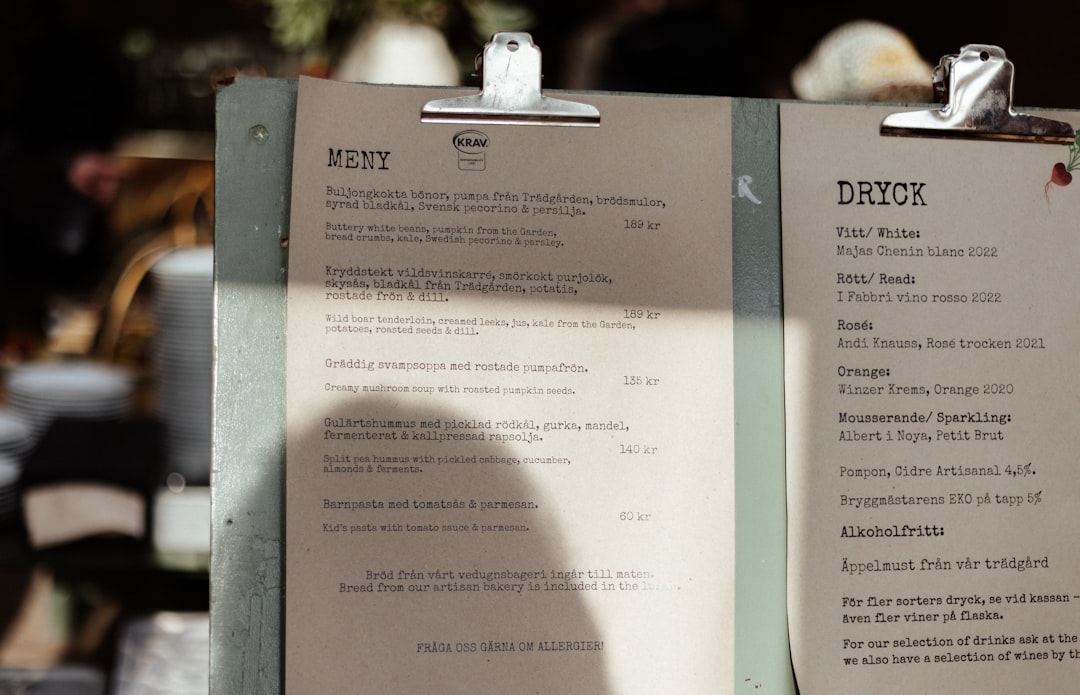
Limited-time offers are among the easiest and most effective restaurant email blast ideas. The urgency gives customers a reason to act now instead of “sometime later.” These emails work especially well for slow nights, seasonal menu items, or short promotional windows.
Examples include:
- “Two-for-One Pasta Tuesday” available for one night only
- “Weekend Brunch Special” featuring a limited menu item
- “Free Dessert This Friday” with any entrée purchase
- “Happy Hour Extended” for subscribers only
Make the offer easy to understand. A customer should know within seconds what the promotion is, when it expires, and how to redeem it. Use a bold headline, an appetizing image, and a clear call to action such as “Reserve Your Table” or “Order Now.”
2. New Menu Item Announcements
People love being the first to try something new. Email is a perfect channel for introducing new dishes, drinks, desserts, or seasonal specials. Rather than simply listing menu updates, tell a small story about the item.
For instance, instead of writing, “We have a new salmon dish,” you could say, “Our chef’s new citrus-glazed salmon is pan-seared, finished with fresh herbs, and served with roasted seasonal vegetables.” Descriptive language helps customers imagine the flavor before they arrive.
Consider adding a “first taste” incentive, such as:
- 10% off the new item during launch week
- A complimentary tasting portion with dinner
- Early access for loyalty members
- A limited chef’s pairing menu
The goal is not just to announce a new item but to make guests feel like they are part of something fresh and exclusive.
3. Birthday and Anniversary Emails
Celebration emails are powerful because they feel personal. A birthday offer, anniversary reward, or special occasion greeting can bring guests back during moments when they are already likely to dine out.
A birthday email might include a free dessert, complimentary appetizer, discount on a meal, or a special drink. Keep it warm and simple: “Happy Birthday from all of us! Celebrate with a complimentary dessert when you dine with us this month.”
Anniversary emails can work in several ways. You might celebrate the anniversary of a customer joining your loyalty program, their first visit, or your restaurant’s opening date. These messages create emotional connection and can increase repeat visits without relying solely on deep discounts.
4. Loyalty Program Updates and Rewards
If your restaurant has a loyalty program, email is essential for keeping members engaged. Customers are more likely to return when they know how close they are to earning a reward. Instead of only sending generic promotions, use loyalty emails to show progress and encourage action.
Effective loyalty emails can include:
- Points balance updates: “You’re only 20 points away from a free entrée.”
- Reward reminders: “Your $10 reward expires this Sunday.”
- Exclusive member offers: “Loyalty members get double points tonight.”
- VIP previews: “Try our new seasonal menu before everyone else.”
These emails work because they make the customer’s relationship with your restaurant feel ongoing. Instead of starting from zero with every visit, the guest feels they are building toward something valuable.
5. Win-Back Emails for Inactive Customers
Every restaurant has customers who visited once or ordered online but have not returned. A win-back email is designed to re-engage those people before they forget about you completely.
The tone should be friendly, not desperate. Try subject lines such as:
- “We saved you a seat.”
- “It’s been a while. Dinner soon?”
- “Come back for 20% off your next visit.”
- “Your favorite table misses you.”
The offer should be strong enough to motivate action. A small discount might not be enough for someone who has been inactive for six months. Consider a free appetizer, meaningful percentage off, or limited-time comeback deal.
It is also useful to include what is new since their last visit. Mention updated menu items, renovated seating, new cocktails, expanded delivery options, or live music nights. Give them a reason to be curious again.
6. Event and Experience Promotions
Restaurants are not just places to eat; they are places to gather. Email blasts can promote events that create excitement and bring people in for experiences beyond a standard meal.
Ideas include:
- Wine tasting dinners
- Chef’s table experiences
- Live music nights
- Trivia or game nights
- Holiday brunches
- Cooking classes
- Pairing menus with local breweries or wineries
When promoting an event, include the date, time, price, reservation details, and what makes the experience special. If space is limited, emphasize scarcity: “Only 24 seats available.” This gives subscribers a clear reason to book quickly.
7. Holiday and Seasonal Campaigns
Holidays are natural opportunities for restaurant email marketing. Customers are already planning meals, gatherings, office parties, and family outings. Your email should make the decision easier for them.
Seasonal campaign ideas include:
- Valentine’s Day: prix fixe dinner menus and reservation reminders
- Mother’s Day: brunch specials and family packages
- Thanksgiving: dine-in feasts or take-home meal kits
- December holidays: private party bookings and catering options
- Summer: patio dining, frozen cocktails, and barbecue specials
Start holiday promotion early. Many guests plan special occasions weeks in advance, especially for popular dates. A good approach is to send one announcement email, one reminder email, and one final urgency email as availability fills up.
8. Online Ordering and Delivery Emails
If your restaurant offers takeout or delivery, email can be a major revenue driver. These campaigns are especially useful during bad weather, busy weekdays, sports nights, or lunch hours.
Focus on convenience. Your message might say, “Dinner is handled. Order your favorites in just a few clicks.” Include direct links to your ordering page and highlight best-selling dishes that travel well.
Consider themed delivery campaigns such as:
- Family meal bundles
- Game day snack packages
- Office lunch specials
- Date night takeout kits
- Comfort food for rainy days
Make sure your email is mobile-friendly. Many customers will open it on their phone and decide immediately whether to order. Large buttons, short copy, and clear pricing can make a big difference.
9. Referral and Bring-a-Friend Campaigns
Your happiest customers can become your best marketers. A referral email encourages guests to introduce your restaurant to friends, family, or coworkers. This is especially useful for growing your customer base while rewarding existing supporters.
A simple campaign could offer: “Bring a friend and you both get a free appetizer.” Another option is a referral code that gives the existing customer points or credit when a new guest places an order.
The best referral emails are easy to share. Include a clear offer, simple instructions, and a friendly tone. Avoid making the process complicated. If people have to read too many rules, they are less likely to participate.
10. Customer Feedback and Review Requests
Email blasts do not always need to sell. Sometimes, asking for feedback can strengthen customer relationships and improve operations. After a visit or online order, send a short message asking guests how everything went.
You can include a quick survey, a review link, or a simple rating scale. Keep it brief and respectful of their time. A message like “How was your meal?” often performs better than a long formal survey invitation.
Positive reviewers can be encouraged to share their experience publicly, while unhappy customers can be directed to a private feedback form. This gives your team the chance to solve issues before they become public complaints.
Best Practices for Restaurant Email Blasts
Even the best promotion can underperform if the email is confusing or poorly timed. To improve results, follow a few practical guidelines.
- Write short subject lines: Aim for clarity and appetite appeal, such as “Free Dessert Tonight” or “Your Brunch Table Awaits.”
- Use strong visuals: Food photography should look fresh, bright, and realistic.
- Segment your list: Send different messages to dine-in guests, delivery customers, VIPs, and inactive subscribers.
- Include one main call to action: Too many buttons can reduce clicks.
- Test send times: Late morning can work for lunch offers, while mid-afternoon may be ideal for dinner decisions.
- Track performance: Monitor open rates, clicks, redemptions, reservations, and revenue.
Final Thoughts
Restaurant email blasts are most effective when they feel timely, personal, and genuinely valuable. Promotions can fill seats and boost orders, but loyalty and retention emails build long-term relationships. By mixing limited-time offers, event announcements, reward reminders, win-back campaigns, and thoughtful feedback requests, your restaurant can stay top of mind without overwhelming subscribers.
The best email strategy is not about sending more messages; it is about sending better ones. Give guests a reason to open, a reason to click, and most importantly, a reason to come back hungry.