Managing Requests for Information (RFIs) efficiently is critical for organizations that rely on external vendors, suppliers, and partners. Poorly handled RFI processes can lead to miscommunication, delays, compliance risks, and missed opportunities. As procurement cycles grow more complex and vendor ecosystems expand, manual spreadsheets and email threads are no longer sufficient. Reliable RFI management software has become a strategic necessity for organizations aiming to improve transparency, speed, and decision-making.
TLDR: Effective RFI management software centralizes vendor communication, automates tracking, and increases response accuracy. The right tool reduces administrative burden while improving compliance and collaboration. This article highlights five trusted RFI management platforms and includes a comparison chart to help organizations evaluate their options. Selecting the proper solution depends on company size, integration needs, and process complexity.
Below are five RFI management software tools that streamline vendor requests and responses, along with key features that distinguish them in the market.
1. RFPIO (Now Responsive)
RFPIO, recently rebranded as Responsive, is one of the most established platforms in the RFI and RFP automation space. It is particularly well-suited for organizations handling high volumes of vendor requests.
Key strengths:
- AI-powered answer library for faster response creation
- Content library management with version control
- Workflow automation and approval routing
- Robust integrations with CRM and collaboration tools
Responsive excels in centralized knowledge management. Teams can store and reuse verified answers, ensuring consistency across submissions. The platform also includes analytics to measure response times and identify bottlenecks.

Best for: Mid-sized to large enterprises managing complex vendor ecosystems and requiring advanced automation.
2. Loopio
Loopio focuses on streamlining the response process through collaboration and automation. Known for its user-friendly interface, Loopio reduces administrative burden while maintaining strong governance controls.
Key strengths:
- Automated RFI and RFP response generation
- Collaborative workspace with task assignments
- Content library with intelligent suggestions
- Clear audit trails for compliance
Loopio’s structured workflows help organizations assign subject matter experts efficiently. The system tracks responsibilities and deadlines, reducing missed responses and miscommunication.
Its analytics dashboard gives procurement leaders visibility into turnaround times and team performance, supporting continuous improvement.
Best for: Growing organizations that need an intuitive yet powerful solution with strong collaboration features.
3. Scout RFP (Workday Strategic Sourcing)
Scout RFP, now part of Workday Strategic Sourcing, provides a comprehensive sourcing solution that includes RFI management. It is particularly effective for companies seeking a broader procurement ecosystem.
Key strengths:
- Integrated sourcing and vendor management
- Intuitive event-based RFI creation
- Supplier communication tracking
- Real-time bid comparison tools
This solution emphasizes collaboration between procurement teams and suppliers. Vendors can submit responses directly through the system, eliminating scattered email exchanges.
Image not found in postmetaScout RFP is especially valuable for organizations requiring structured evaluation criteria. Procurement teams can compare vendor responses systematically, reducing bias and improving decision transparency.
Best for: Enterprises already using Workday or looking for an all-in-one strategic sourcing solution.
4. SAP Ariba
SAP Ariba is a heavyweight in procurement and supply chain management. While not limited to RFIs, its comprehensive capabilities make it a powerful choice for organizations needing global vendor coordination.
Key strengths:
- Extensive supplier network integration
- Compliance and risk management features
- Advanced reporting and analytics
- Strong integration with SAP ecosystem
SAP Ariba’s RFI functionality is embedded within its sourcing module, allowing teams to manage supplier onboarding, qualification, and response tracking within one ecosystem. This reduces duplication of data and improves process continuity.
Because of its scale and configuration options, implementation can be complex. However, organizations that require rigorous governance and global oversight often find the investment justified.
Best for: Large global enterprises with advanced compliance and reporting requirements.
5. Proposify
Although widely known as a proposal management platform, Proposify also supports structured RFI workflows. It is particularly effective for smaller teams seeking streamlined communication and simplified response tracking.
Key strengths:
- Template-driven responses
- Clear approval workflows
- Document tracking and analytics
- User-friendly interface
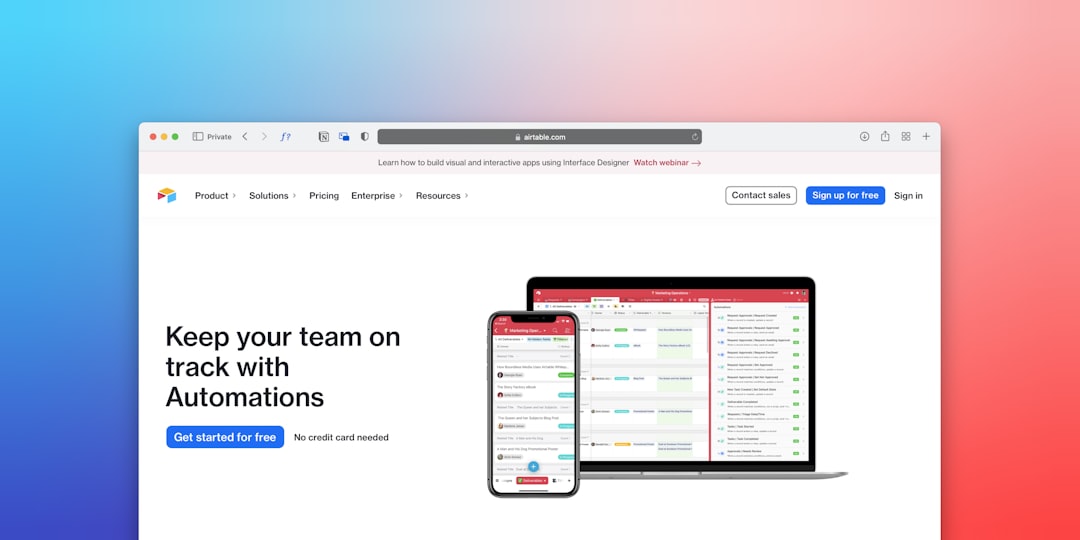
Proposify’s strength lies in usability. Teams can quickly create standardized templates and monitor vendor interactions. While it may not offer the deep sourcing analytics of enterprise platforms, it delivers strong efficiency gains for lean teams.
Best for: Small to mid-sized businesses seeking affordable and easy-to-deploy RFI management tools.
Comparison Chart
| Software | Best For | Automation Level | Integration Capability | Enterprise Scalability |
|---|---|---|---|---|
| Responsive (RFPIO) | High-volume response teams | Advanced AI-driven automation | CRM, collaboration tools | High |
| Loopio | Collaborative teams | Strong workflow automation | CRM and productivity tools | Medium to High |
| Scout RFP | Strategic sourcing teams | Event-based automation | Workday ecosystem | High |
| SAP Ariba | Global enterprises | Comprehensive sourcing automation | SAP ecosystem | Very High |
| Proposify | Small to mid-sized businesses | Template-based automation | Basic third-party integrations | Moderate |
Key Considerations When Choosing RFI Management Software
Selecting the right platform requires careful assessment of organizational needs. Decision-makers should consider the following:
- Volume of RFIs: High-volume environments benefit from AI and workflow automation.
- Integration requirements: Compatibility with CRM, ERP, and collaboration tools is essential.
- Compliance needs: Highly regulated industries require advanced audit trails and reporting.
- User experience: Ease of adoption impacts productivity and ROI.
- Budget constraints: Enterprise systems often come with higher implementation costs.
Organizations should also evaluate vendor support quality and onboarding assistance. A technically powerful platform that is difficult to implement or maintain may ultimately hinder efficiency rather than improve it.
The Strategic Impact of RFI Automation
RFI management is no longer an administrative task; it is a strategic function that influences vendor selection, cost optimization, and risk mitigation. Automation enhances:
- Speed: Reduced turnaround time for vendor responses.
- Accuracy: Centralized, verified answer libraries prevent inconsistencies.
- Transparency: Clear tracking ensures accountability.
- Data visibility: Analytics inform future procurement strategy.
When implemented effectively, RFI software transforms vendor interactions from fragmented communications into structured, measurable workflows. The result is stronger supplier relationships and more confident procurement decisions.
Conclusion
The complexity of modern procurement demands structured, technology-driven processes. The five tools highlighted above—Responsive, Loopio, Scout RFP, SAP Ariba, and Proposify—each offer distinct advantages depending on organizational size and requirements.
Enterprises seeking scalability and global compliance may gravitate toward SAP Ariba or Scout RFP. Mid-sized organizations focused on collaboration often prefer Loopio or Responsive. Smaller teams prioritizing usability and speed may find Proposify sufficient.
Ultimately, the right RFI management software should do more than organize requests; it should create measurable improvements in efficiency, accountability, and vendor relationships. A thoughtful evaluation process ensures that technology investments translate into tangible operational gains.