Ever wonder how your phone can stream videos, send messages, and load websites in just seconds? Behind the scenes, wireless networks are working hard to move data. One quiet hero in this process is something called the Transport Block Size—or TBS for short. Let’s dive into what it is and why it matters, without getting too technical!
TLDR:
Transport Block Size (TBS) is the size of data chunks sent over wireless networks like 4G and 5G. A good TBS ensures efficient, fast, and smooth data transmission. It changes based on real-time conditions like signal quality. It’s one of the many hidden reasons your phone is so good at staying connected.
What Is a Transport Block in Simple Words?
Think of sending data like sending packages through the mail. Each package has a size limit. Too small, and you waste space. Too big, and it might not fit in the mailbox. Transport Blocks are data “packages” sent over the air in wireless networks. The size of these packages is the Transport Block Size.
Your phone splits information into these blocks before sending it to the cell tower. The size of the block can change for each moment and depends on several things like how good your signal is or how crowded the network is.
Why Transport Block Size Matters
A good TBS is like the perfect suitcase. It fits everything you need and is easy to carry. In telecom, choosing the right size block:
- Increases speed – more data fits in each block
- Reduces errors – smaller blocks on bad connections cause fewer mistakes
- Boosts network efficiency – less energy and time to send the same data
Imagine you’re trying to send twenty apples (which represents your data). Would you rather carry them in one giant basket that’s hard to lift or in a few smaller ones that are easier to handle? TBS helps choose the best “basket” for the trip!
Where Does TBS Apply?
Transport Block Size is vital in all sorts of wireless networks, like:
- 4G LTE – Helps maintain strong internet on the go
- 5G NR (New Radio) – Enables blazing fast, real-time connections
- IoT Devices – Makes tiny sensors smarter and more battery-efficient
In 5G especially, networks must juggle everything from mobile gaming to self-driving cars. TBS helps keep all of them running smoothly.
How Is the Right TBS Chosen?
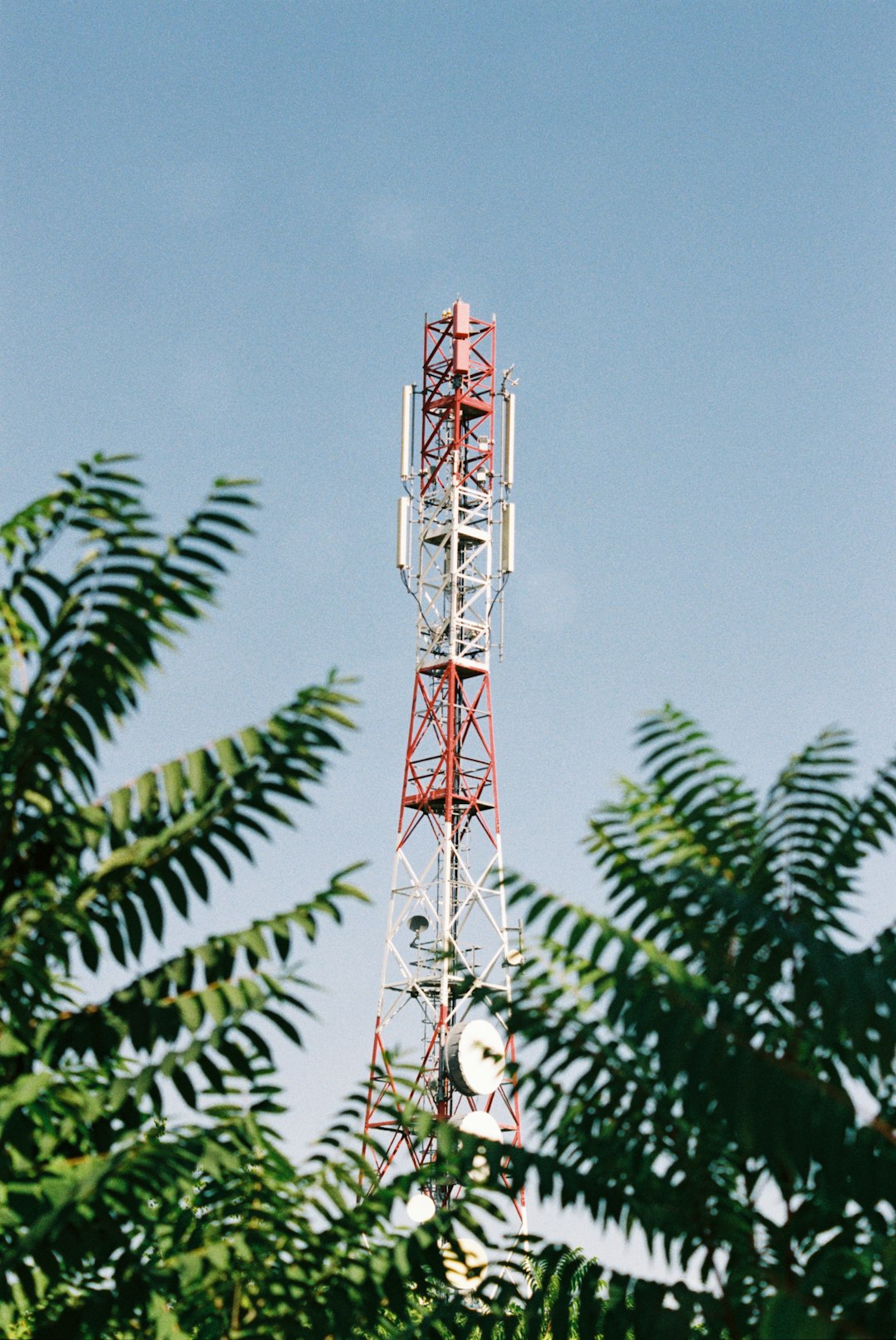
Great question! Your phone and the cell tower work together to pick a TBS size. It’s a bit like figuring out how much luggage you can take on a flight. The choice is based on:
- Signal Quality – Better signals can carry larger blocks
- Bandwidth – More available space = bigger TBS
- Modulation Scheme – Fancy term for how the data is packed
- Network Load – Less traffic? Let’s go big!
So if you’re on a mountain top with one bar, smaller blocks are safer. But if you’re in the city with full bars? Time to go big!
Let’s Break It Down: An Easy Example
You’re trying to send a video to your friend. The data is 2 Megabytes. Your network turns this into small blocks to send over the air.
- You have good signal
- Network says: “Let’s use a TBS of 250 kilobytes”
- So your file is sent in about 8 blocks total (2MB = 2000 KB)
If your signal was weaker, maybe the network would choose TBS as 100 KB instead. Then, you’d need to send 20 blocks, which takes a little longer.
Smaller blocks are safer but slower. Bigger blocks are faster but riskier. TBS finds the sweet spot.
Cool Fact: TBS Tables
Yes, there are tables—like the kind you find in textbooks—that list all the allowed TBS values. Engineers use these to help phones and towers speak the same language. These tables consider things like:
- Number of resource blocks
- Modulation type (QPSK, 16QAM, and so on)
- Code rate (how protective the error checking is)
But don’t worry—you don’t have to memorize them. That’s what your phone’s brain is for.
How TBS Helps You Without You Knowing
When you video call your family, TBS is silently working to keep the call steady. Streaming Netflix in HD? TBS is helping that too. Even your car GPS relies on it when using LTE data.
Think of TBS as the size of each “scoop” of data your phone sends or receives. It may seem small, but if each scoop is perfectly sized—your digital ice cream gets delivered perfectly.
The Future of TBS in 5G and Beyond
In the world of 5G and even upcoming 6G, TBS is evolving. With faster speeds and more devices, the flexibility and intelligence in choosing the perfect TBS become even more important.
New features like AI-based TBS adjustment and smarter scheduling are being tested. That means your phone may someday not just pick the best TBS—it’ll guess what’s about to happen and adjust before anything goes wrong!
In Short: TBS = Hidden Genius
You never see transport blocks or their sizes. But they are everywhere.
They are why your mobile experience works so well most of the time.
Next time your video loads smoothly or your call stays clear even in a tunnel, thank the invisible hand of TBS!
Final Fun Facts
- The smallest TBS can be under 100 bits. That’s less than a tweet!
- The largest in 5G can go over 1 Megabit—perfect for big user demands
- TBS changes every millisecond depending on your network health
Pretty cool for something you never even knew existed, right?