Fuel costs, delayed deliveries, vehicle wear, and compliance requirements make fleet management more complex than ever. This is where modern telematics fleet tracking apps—such as Verizon Connect and similar platforms—step in to transform operations. By combining GPS tracking, vehicle diagnostics, driver behavior monitoring, and real-time analytics, these tools help fleets operate smarter, safer, and more profitably.
TLDR: Telematics fleet tracking apps like Verizon Connect use GPS, vehicle data, and cloud-based dashboards to improve route optimization, reduce fuel costs, and enhance driver safety. They provide real-time visibility into vehicles, automate compliance, and deliver actionable insights through analytics. Companies that implement these platforms typically see measurable improvements in operational efficiency and cost reduction. In short, telematics turns raw vehicle data into practical decision-making power.
What Is a Telematics Fleet Tracking App?
A telematics fleet tracking app is a digital platform that collects and analyzes data from vehicles using GPS technology, onboard diagnostics (OBD), sensors, and wireless networks. This data is sent to a cloud-based dashboard where fleet managers can monitor activity in real time.
Modern platforms such as Verizon Connect combine several tools into one integrated system:
- Real-time vehicle tracking
- Route optimization
- Fuel usage monitoring
- Driver behavior analysis
- Maintenance scheduling
- Electronic logging device (ELD) compliance
The goal is simple: maximize efficiency while reducing operating costs and safety risks.

How Telematics Improves Fleet Efficiency
1. Real-Time GPS Visibility
Knowing where every vehicle is at any moment provides unmatched operational control. Dispatchers can:
- Send the nearest vehicle to new jobs
- Avoid traffic congestion with dynamic rerouting
- Provide accurate ETAs to customers
- Reduce unauthorized vehicle usage
This level of transparency eliminates guesswork and improves response times across industries including logistics, field service, utilities, and construction.
2. Route Optimization
Advanced telematics platforms use algorithms to calculate the most efficient routes based on:
- Traffic patterns
- Weather conditions
- Delivery windows
- Vehicle capacity constraints
Optimized routing means fewer miles driven, less fuel consumed, and more stops completed per shift. Over time, small mileage reductions translate into significant cost savings.
3. Fuel Cost Reduction
Fuel is often one of the largest operational expenses for fleet-based businesses. Telematics software identifies behaviors that increase fuel consumption, such as:
- Excessive idling
- Harsh acceleration
- Speeding
- Inefficient routing
By addressing these behaviors through training and performance monitoring, companies can reduce fuel costs by up to 10–20% depending on fleet size and usage patterns.
4. Driver Safety Monitoring
Safety is critical—not only for protecting drivers but also for lowering insurance premiums and liability risks. Telematics systems track:
- Harsh braking events
- Rapid acceleration
- Speed violations
- Seatbelt usage
- Distracted driving (when integrated with cameras)
Managers can use scorecards and coaching tools to reinforce positive driving habits. Improved safety leads to fewer accidents, reduced downtime, and a stronger company reputation.
5. Predictive Maintenance
Vehicle breakdowns disrupt operations and increase repair costs. Telematics apps connect directly to onboard diagnostics systems to monitor:
- Engine health
- Battery performance
- Tire pressure
- Oil life
- Fault codes
Instead of reacting to breakdowns, managers can schedule maintenance proactively. Predictive maintenance reduces downtime and extends vehicle lifespan.
Key Features of Leading Telematics Apps
While Verizon Connect is a major industry player, several other telematics platforms offer similar capabilities. Below is a comparison of notable fleet tracking solutions.
| Feature | Verizon Connect | Samsara | Geotab | Fleet Complete |
|---|---|---|---|---|
| Real-Time GPS Tracking | Yes | Yes | Yes | Yes |
| Driver Behavior Monitoring | Advanced | AI Powered | Comprehensive | Moderate |
| Route Optimization | Integrated | Strong | Configurable | Available |
| Maintenance Alerts | Automated | Predictive | Custom Rules | Standard |
| ELD Compliance | Yes | Yes | Yes | Yes |
| AI Dashcams | Available | Advanced | Integration Based | Limited |
Each platform caters to different fleet sizes and industries. Large logistics companies may prioritize scalability and enterprise integrations, while small fleets may focus on affordability and ease of use.
Industries That Benefit Most from Telematics
Telematics solutions are highly adaptable and serve a wide variety of industries:
- Logistics and Delivery: Optimize routes, ensure timely deliveries, reduce fuel usage.
- Construction: Monitor heavy equipment usage and prevent unauthorized operation.
- Field Service: Assign technicians efficiently and provide real-time status updates.
- Utilities: Track emergency response vehicles during outages.
- Public Sector: Improve accountability and budget management.
The flexibility of telematics makes it valuable for any organization operating multiple vehicles or mobile assets.
Data Analytics: Turning Information into Action
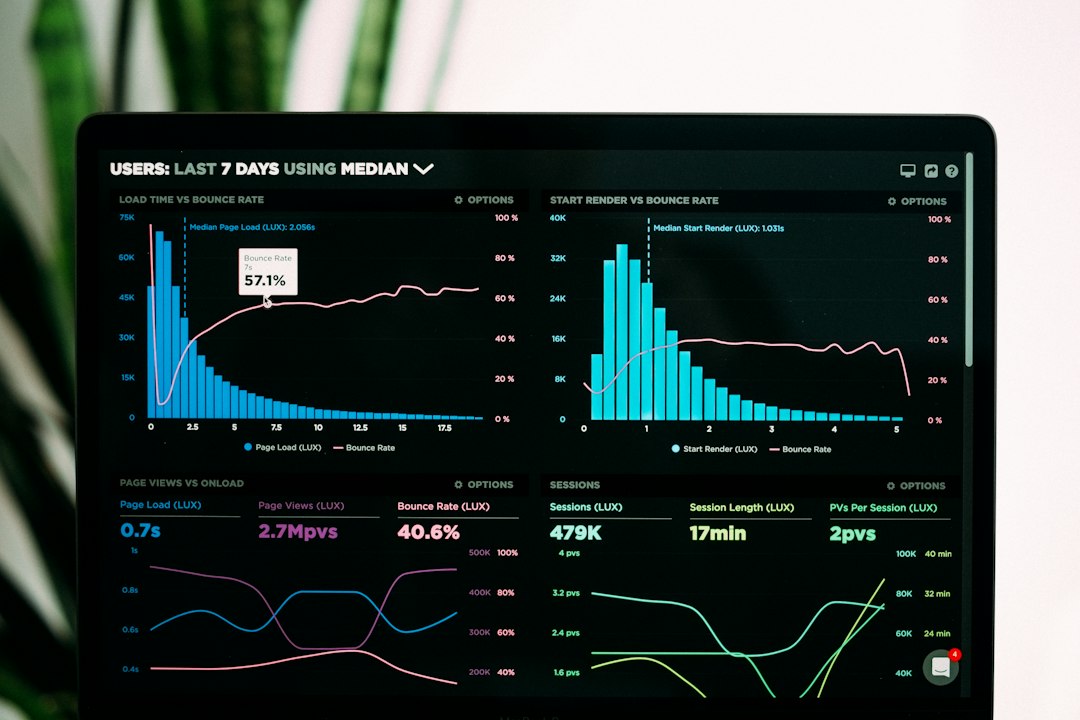
Collecting data alone does not improve fleet efficiency—interpreting and acting on it does. Telematics platforms provide dashboards with:
- Performance scorecards
- Customizable reports
- Trend analysis
- Benchmark comparisons
Managers can identify patterns such as:
- Recurring route bottlenecks
- Drivers with consistent safety violations
- Vehicles with rising maintenance costs
Data-driven decisions enable continuous improvement rather than reactive crisis management.
Compliance and Regulatory Support
Fleet operations must comply with regional and national regulations, especially in the transportation sector. Telematics apps simplify compliance by automating:
- Hours of Service (HOS) tracking
- Electronic Logging Device (ELD) requirements
- Driver Vehicle Inspection Reports (DVIR)
- Fuel tax reporting (IFTA)
Automation reduces administrative burden, minimizes human error, and ensures accurate documentation during audits.
Return on Investment (ROI)
Businesses often question whether telematics systems justify their costs. However, ROI typically comes from multiple sources:
- Fuel Savings: Reduced consumption and idling.
- Lower Insurance Premiums: Improved safety records.
- Reduced Maintenance Costs: Preventative servicing.
- Increased Productivity: More jobs completed per day.
- Asset Protection: Reduced theft and unauthorized usage.
For mid-sized and large fleets, these savings can quickly outweigh subscription and hardware expenses within the first year of implementation.
Integration with Other Business Systems
Modern telematics platforms integrate with:
- Enterprise Resource Planning (ERP) systems
- Customer Relationship Management (CRM) software
- Payroll systems
- Inventory management tools
This integration ensures seamless data flow across departments, enabling coordinated decision-making between dispatch, finance, HR, and operations teams.
Future Trends in Telematics
The telematics industry continues to evolve rapidly. Emerging innovations include:
- AI-powered risk detection
- Video telematics with real-time alerts
- Electric vehicle (EV) fleet monitoring
- Advanced predictive analytics
As fleets transition toward electric vehicles and sustainability goals, telematics systems will play a crucial role in managing battery performance, charging schedules, and range optimization.
Choosing the Right Fleet Tracking App
When selecting a telematics solution similar to Verizon Connect, companies should consider:
- Fleet size and growth plans
- Industry-specific requirements
- Scalability of the platform
- Customer support and training
- Ease of installation and use
Requesting live demos and trial periods can help decision-makers evaluate which solution best meets operational goals.
Conclusion
Telematics fleet tracking apps like Verizon Connect have revolutionized how companies manage vehicles and mobile assets. By providing real-time visibility, optimizing routes, improving safety, automating compliance, and delivering powerful analytics, these platforms transform fleet management from a reactive function into a strategic advantage.
Organizations that leverage telematics effectively gain more than just operational insights—they achieve measurable cost reductions, enhanced driver accountability, and improved customer satisfaction. In a competitive marketplace where margins matter, embracing fleet tracking technology is no longer a luxury—it is a necessity for long-term efficiency and growth.