SMS outreach works best when it feels like a helpful nudge, not a tiny billboard that buzzes in someone’s pocket. Keep the message short. Make the offer clear. Give people an easy way to say yes, no, or “not now.”
TLDR: Great text campaigns are built on permission, timing, and simple calls to action. A local gym might text 500 trial leads and get 68 replies, with 24 people booking a tour in one afternoon. That is a 13.6% reply rate and a 4.8% booking rate from one short message. Example: “Hi Ava, still thinking about strength training? We have 3 free intro spots this week. Want one?”
Why SMS outreach works so well
Texting is personal. It is fast. It is hard to ignore.
Most people read texts within minutes. That does not mean you should blast everyone like a coupon cannon. Please do not. That gets annoying fast.
SMS is best for moments that need a quick answer:
- Booking a call
- Confirming interest
- Sending a reminder
- Sharing a limited offer
- Following up after a form fill
- Reactivating old customers
The magic is not the channel alone. It is the mix of timing, trust, and a message that sounds human.
First, get permission
This part is not glamorous. It is also not optional.
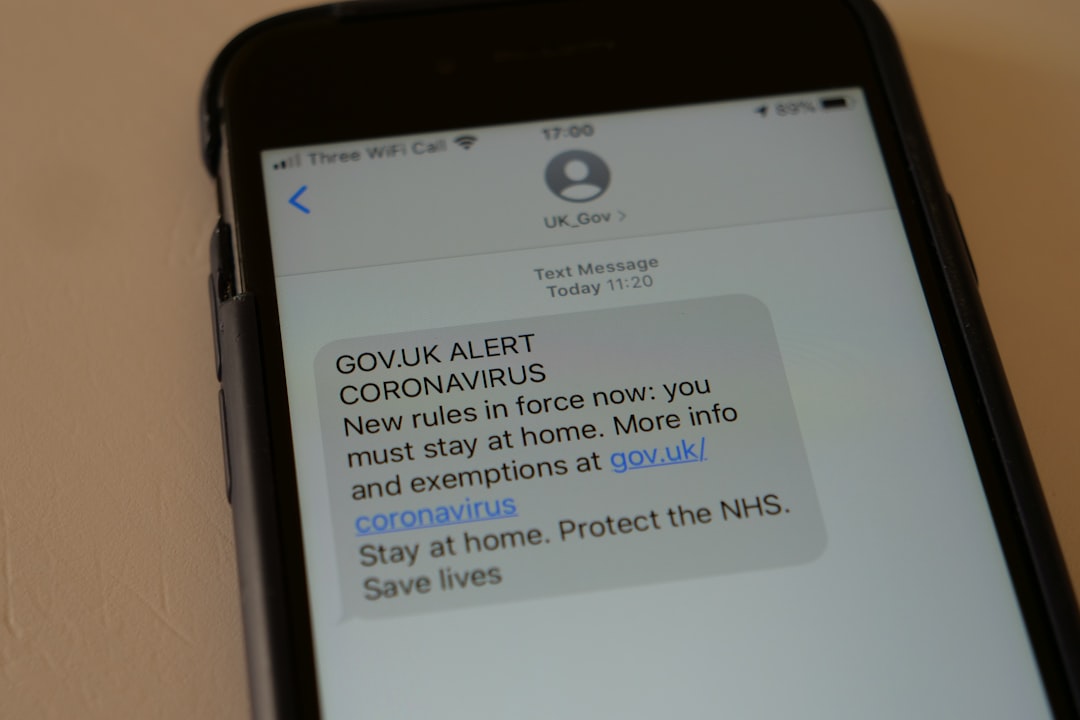
Before texting prospects or customers, make sure they agreed to receive texts from you. Use clear opt-in language on forms, checkout pages, event signups, and lead magnets.
Keep it simple:
- “Yes, text me updates and offers from Bright Dental.”
- “By submitting, you agree to receive SMS messages. Reply STOP to opt out.”
Also include:
- Your business name
- Message frequency
- Possible carrier fees
- How to opt out
- A link to your privacy policy
Do not buy random phone lists. That is how you turn a campaign into a complaint machine.
Build your SMS list the smart way
A good list beats a huge list. Every time.
Collect numbers from people who already know you. These are warmer contacts. They are more likely to reply. They are less likely to wonder, “Who is this and why are they texting me?”
Good sources include:
- Website forms
- Webinar signups
- Event registrations
- Customer purchases
- Quote requests
- Demo requests
- Loyalty programs
- In-store QR codes
Add tags when people join. Tag by interest, location, product, source, and stage. This makes future messages much better.
For example, do not text every lead this:
“Want to buy from us?”
Text a specific group this:
“Hi Mia, you checked out our puppy training class last week. We have 2 Saturday spots left. Want details?”
Much better. Less robot. More useful.
Write texts that get replies
A strong SMS has one job. Not five. One.
Use this basic formula:
- Say who you are.
- Give context.
- Make one clear offer.
- Ask one easy question.
Here is a prospecting example:
“Hi Jordan, it’s Sam from Northline Solar. You asked about lower electric bills last month. Want a quick estimate for your home?”
Here is a customer campaign example:
“Hi Priya, your skincare refill is due soon. Want us to ship the same order this week?”
See the pattern? It is short. It has context. The reply is easy.
Avoid long links, weird slang, and mystery messages. “Big news!!! Tap here!!!” feels like a trap. Nobody likes pocket spam dressed as excitement.
Use timing like a pro
Timing can make or break your campaign.
Text too soon, and it feels pushy. Text too late, and the lead has forgotten you exist. Great.
For new inbound leads, text within 5 minutes if you can. Speed matters. A lead who just filled out a form is still thinking about the problem. Do not wait 2 days and then act surprised when they ghost you.
For customer campaigns, use behavior-based timing:
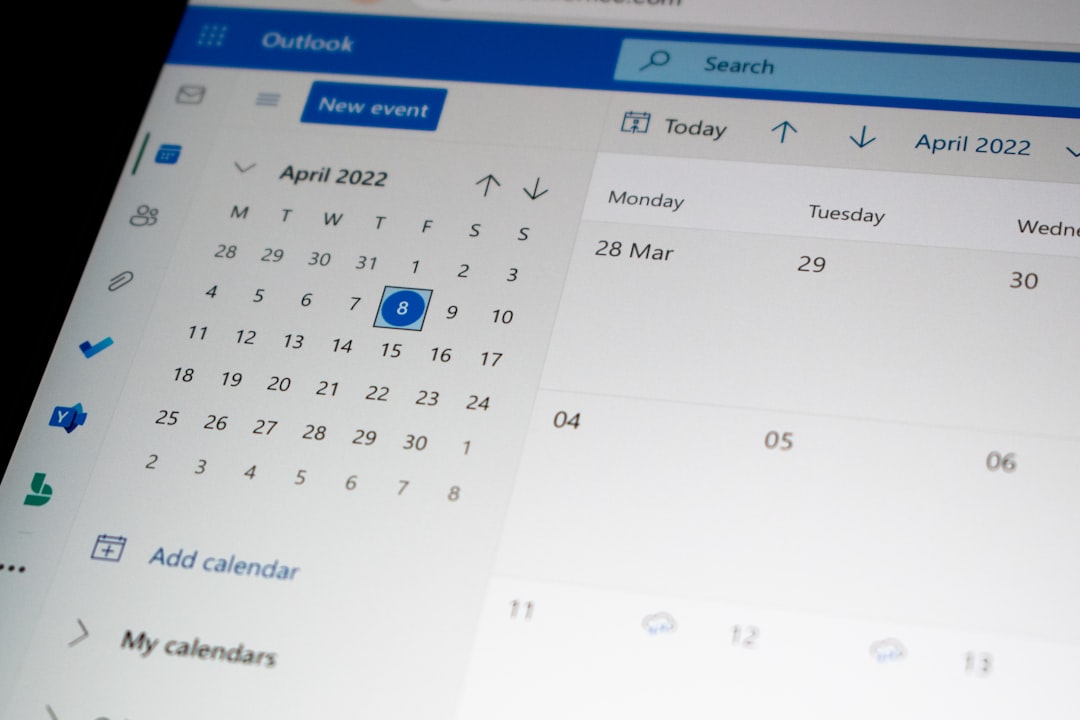
- Cart abandoned: Text after 1 to 3 hours.
- Appointment reminder: Text 24 hours before.
- Reorder prompt: Text near the usual refill date.
- Win-back campaign: Text after 60 to 120 days of silence.
- Event reminder: Text the day before and 1 hour before.
Respect quiet hours. Late-night messages are rude. They also make your brand feel careless.
Segment so you do not sound clueless
Segmentation is just grouping people by what they care about.
Simple groups work fine:
- New leads
- Hot leads
- First-time buyers
- Repeat customers
- Inactive customers
- VIP customers
- People near a store
- People interested in one product
This keeps your texts relevant.
A coffee shop can send cold brew news to cold brew fans. A dentist can send whitening offers to patients who asked about whitening. A software team can text demo reminders only to people who booked demos.
Less noise. More replies.
Plan the campaign flow
One text is useful. A small sequence is better.
Here is a simple prospecting flow:
- Text 1: Fast follow-up after form submission.
- Text 2: Reminder 24 hours later if no reply.
- Text 3: Helpful proof or offer 3 days later.
- Text 4: Soft close after 7 days.
Example:
“Hi Leo, still want help comparing payroll plans? I can send 2 options. Want the quick version?”
Then:
“No worries if now is bad. Want me to check back next month?”
That last line is gold. It gives people a low-pressure way to stay engaged.
For customer campaigns, build flows around helpful moments:
- Welcome after purchase
- Order update
- Review request
- Reorder reminder
- Loyalty reward
- Birthday offer
Make replies easy
Do not make people write an essay.
Ask questions that can be answered with one word or one number:
- “Want the link?”
- “Should I save you a spot?”
- “Morning or afternoon?”
- “Reply 1 for pricing, 2 for availability.”
This is where SMS shines. It turns interest into a tiny action. Tiny actions lead to bigger actions.
Honestly, it feels like some tools forget this. They give you 14 fields, 6 menus, and a 9-second delay just to send one follow-up. Pick software that makes replies easy to see and quick to answer.
Track the right numbers
If you do not measure results, you are guessing with a keyboard.
Track these metrics:
- Delivery rate: Did the message arrive?
- Opt-out rate: Are people leaving?
- Reply rate: Are people engaging?
- Click rate: Did they tap the link?
- Conversion rate: Did they book, buy, or sign up?
- Revenue per campaign: Did it pay off?
A healthy campaign might see a 10% to 25% reply rate for warm prospects. Customer campaigns can perform even better when the message is timely. Reminder texts often cut no-shows by 20% to 40%.
If opt-outs spike, your message is off. Maybe the audience is wrong. Maybe the offer is weak. Maybe you are texting too often. Fix that before sending more.

Keep the tone human
SMS is not the place for stiff copy.
Write like a helpful person. Use names when it makes sense. Mention the action they took. Stay casual, but not sloppy.
Good:
“Hi Ben, it’s Chloe from Peak Bikes. Your repair quote is ready. Want me to text it here?”
Bad:
“Dear valued customer, we are contacting you regarding your potential interest in our service offerings.”
Nobody talks like that. Not even the person who wrote it.
Watch out for common mistakes
SMS can go wrong quickly. The screen is small. Patience is smaller.
Avoid these errors:
- Texting without permission
- Sending too many messages
- Using vague offers
- Forgetting your business name
- Sending at bad times
- Hiding the opt-out option
- Using broken links
- Ignoring replies
That last one is painful. If someone replies, answer fast. A delayed reply can kill momentum. It drives me crazy when a business asks, “Want help?” and then takes two days to respond. Why ask?
A simple SMS campaign template
Use this as a starting point:
Lead follow-up:
“Hi [Name], it’s [Rep] from [Company]. You asked about [Topic]. Want help with [Specific Result] this week?”
Customer offer:
“Hi [Name], your favorite [Product] is back. Want us to save one for you?”
Reminder:
“Hi [Name], quick reminder about your [Appointment/Event] tomorrow at [Time]. Reply C to confirm or R to reschedule.”
Win-back:
“Hi [Name], we miss seeing you at [Business]. Want 15% off your next visit this week?”
Final thoughts
SMS outreach is simple when you treat it with respect. Get permission. Send useful messages. Ask easy questions. Reply fast.
Do that, and your texts stop feeling like ads. They become helpful little prompts that move people to action. That is the whole game.