Use the official Lindy sign-in page, confirm you are using the correct email address, and check whether your account uses Google, password login, or single sign-on before trying reset steps. Most Lindy login problems come from using the wrong sign-in method, stale browser sessions, blocked verification emails, or organization-level access rules.
TLDR: If you cannot access Lindy, first try the same login method you used when the account was created, such as Continue with Google instead of a password reset. Clear browser cache, disable extensions briefly, and check your email spam folder for verification or reset messages. In a typical small team of 25 users, even a 10% sign-in issue rate means two or three people may lose work time on the same morning, often because SSO or permissions changed. For example, if your company moved your email from name@company.com to name@team.company.com, Lindy may treat that as a different account.
How to Log In to Lindy Safely
Start from the official Lindy website or a trusted bookmark. Avoid links from random messages, ads, or copied chat threads. A fake login page can look convincing, especially if it uses similar colors and wording.
- Open the official Lindy site or app login page.
- Select the sign-in method tied to your account.
- Use your work email if Lindy is managed by your company.
- Complete any verification prompt or single sign-on step.
- Check that you land in the correct workspace after login.
If you see multiple workspaces, choose the one connected to your team or project. If a workspace is missing, do not create a new account right away. That can make the problem messier. Ask your admin to confirm your access first.
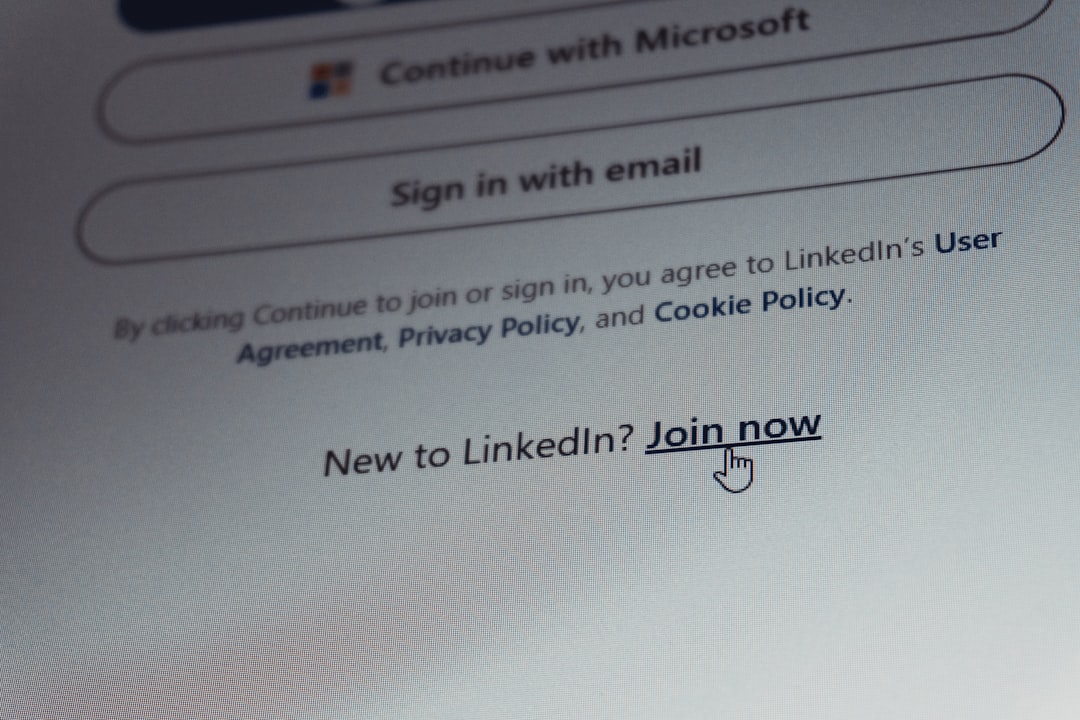
Common Lindy Login Methods
Lindy accounts may use more than one access method. The exact options can change based on your plan, company settings, and identity provider.
- Email and password: You enter your email, then your password.
- Google login: You use a Google account connected to Lindy.
- SSO: Your company signs you in through a provider such as Okta, Azure AD, or Google Workspace.
- Magic link or email verification: You receive a secure link by email, if supported for your account.
The catch is that these methods are not always interchangeable. If you created the account with Google, a password reset may not help. If your company requires SSO, personal email login may be blocked. This is one of those small software details that can burn 15 minutes for no good reason.
If Your Password Does Not Work
Do not keep guessing. Repeated failed attempts may trigger a temporary lock, rate limit, or extra verification. Instead, use the password reset option if your account supports passwords.
- Enter the exact email used for Lindy.
- Check your inbox, spam, promotions, and quarantine folders.
- Wait a few minutes before requesting another reset email.
- Open the newest reset link only.
- Create a strong, unique password you do not use elsewhere.
If the reset email never arrives, the issue may be your email security filter. Corporate mail systems sometimes block automated messages. Ask your IT team to allow emails from Lindy’s sending domain, then request a new link.
If Google Login Fails
Google sign-in issues usually relate to account mismatch. Many users have a personal Gmail account and a work Google account open in the same browser. Lindy may receive the wrong identity from Google.
Try this:
- Log out of all Google accounts in that browser.
- Open a private or incognito window.
- Go to Lindy’s login page.
- Select Continue with Google.
- Choose the exact account originally used for Lindy.
If the login still fails, test another browser. Chrome, Safari, Edge, and Firefox can behave differently when cookies or pop-up settings are strict.
Browser Problems That Block Access
Some login failures are not account issues at all. They are browser issues. Honestly, it feels like one blocked cookie can turn a normal sign-in into detective work.
Check these items:
- Cookies: Allow cookies for Lindy and its authentication provider.
- Pop-ups: Permit pop-ups during login, especially for SSO.
- Extensions: Disable ad blockers, privacy tools, script blockers, and password manager overlays for a test.
- Cache: Clear site data for Lindy if the page loops or reloads.
- VPN: Turn it off briefly if your company policy allows it.

If Lindy loads in incognito mode but not in your normal browser, an extension or saved session is likely causing the issue. Turn extensions back on one by one to find the culprit.
Account Access and Workspace Issues
Being logged in does not always mean you have access to the right content. You may sign in successfully and still see an empty dashboard, missing Lindys, or no billing access.
That usually points to one of these causes:
- You signed in with a different email.
- Your admin removed or changed your role.
- Your invite expired before you accepted it.
- You created a separate personal workspace by mistake.
- Your company changed domains or identity settings.
Ask your workspace admin to verify your email, role, and invite status. If you are the admin and cannot access billing or users, contact Lindy support from the email tied to the workspace. Include screenshots, the affected email address, and the time the issue started.
Security Steps Every Lindy User Should Take
Your Lindy account may connect to workflows, contacts, calendars, documents, or other business systems. Treat the login as sensitive.
- Use a password manager and create a unique password.
- Enable multi-factor authentication if available through Lindy or your SSO provider.
- Remove access for former employees quickly.
- Review third-party app connections on a regular schedule.
- Do not share login links, reset emails, or one-time codes.
- Check the browser address bar before entering credentials.
Admins should keep a short access process. Add new users through approved invites. Remove old users the same day they leave. Review roles monthly if Lindy is used for customer data, sales tasks, recruiting, or internal operations.

What to Do If You Suspect a Compromised Account
If you see unknown activity, unexpected integrations, missing data, or login alerts you did not trigger, act fast.
- Change your password if password login is enabled.
- Revoke suspicious sessions or connected apps if those controls are available.
- Tell your workspace admin.
- Check connected email, calendar, CRM, and document accounts.
- Contact Lindy support with a clear incident summary.
Do not delete evidence before support reviews it. Screenshots, timestamps, IP notices, and email alerts can help identify what happened.
When to Contact Lindy Support
Contact support when basic fixes fail or when access affects work. Send a concise report. Include your email, workspace name, sign-in method, browser, device, error message, and steps already tried.
A strong support message looks like this:
“I cannot sign in to Lindy using Google login with alex@company.com. The issue started at 9:20 AM ET. I tried Chrome incognito and Safari. Both return the same error after Google authentication. Our admin confirmed I am still listed in the workspace.”
That level of detail helps support avoid the usual back-and-forth. It also reduces guesswork for your admin and IT team.
Quick Checklist Before You Give Up
- Use the official Lindy login page.
- Confirm the correct email address.
- Try the original login method.
- Check spam and email filters.
- Test incognito mode or another browser.
- Disable extensions for one attempt.
- Ask your admin to confirm your role.
- Contact support with screenshots and exact error text.
Most Lindy login problems can be fixed without creating a new account. Start with identity, then browser settings, then workspace permissions. That order saves time and keeps your account history intact.