National Taco Day 2026 should be treated as a revenue campaign, not a one-day social media post. For most U.S. brands, the key date is Tuesday, October 6, 2026, which gives restaurants, retailers, and food brands a rare advantage: the holiday lands on a built-in taco occasion. Plan for sales, staffing, inventory, loyalty capture, and retail visibility at least six weeks ahead.
TLDR: National Taco Day 2026 is best used as a traffic and data capture event, not just a discount day. A fast-casual chain with 20 locations could run a $2 taco bundle, push app signups, and aim for a 12% lift in lunch traffic if local ads start two weeks early. Retailers can pair tortillas, proteins, sauces, and drinks into a visible meal solution. Food brands should focus on trial, recipe use, and retail conversion.
Why 2026 Is a Strong Year for Taco Campaigns
National Taco Day has more value when it falls on a Tuesday. Consumers already connect tacos with Tuesday meals, happy hours, and quick family dinners. That lowers the work needed to explain the offer.
The strongest campaigns will not shout “free tacos” and hope for the best. They will answer a sharper question: What behavior do we want from the customer? A restaurant may want repeat visits. A grocery chain may want a larger basket. A salsa brand may want trial with younger shoppers. Each goal needs a different offer.
Campaign Concepts for Restaurants
1. The Taco Tuesday Ticket Builder
Instead of discounting everything, create a structured bundle. For example, offer two tacos, one side, and one drink at a clear price. Keep the menu tight. Speed matters on a high-volume day.
- Quick service: $6 taco combo from 11 a.m. to 2 p.m.
- Casual dining: taco flight with three fillings and one premium upsell.
- Bars: taco and margarita pairing with responsible service messaging.
This works because it protects margin. It also avoids the chaos of unlimited customization. Honestly, it feels like some brands build holiday menus that slow the kitchen by 30 seconds per order, then act surprised when the line backs up.
2. Loyalty First, Discount Second
Make the best deal available through your app, email list, or SMS club. A public offer can drive awareness, but the richer reward should collect a customer identifier.
Try this structure: “Buy any taco combo on October 6 and get a reward for your next visit.” That next-visit reward is often more valuable than a one-day price cut. It gives the campaign a second sales moment in mid-October.
3. Local Hero Tacos
Create one limited-time taco tied to local taste. A Nashville hot chicken taco. A green chile breakfast taco. A Korean barbecue taco. Keep it credible and easy to prep.
Local limited-time offers give stores something new to talk about without changing the whole operation. They also help franchisees feel included, which matters if the system covers different regions.
Campaign Concepts for Retailers
Grocery retailers should sell the meal, not just the shell. National Taco Day is a perfect occasion for basket building. The shopper wants dinner solved. Place tortillas, cheese, protein, beans, seasonings, salsa, guacamole, limes, and beverages in one clear area.
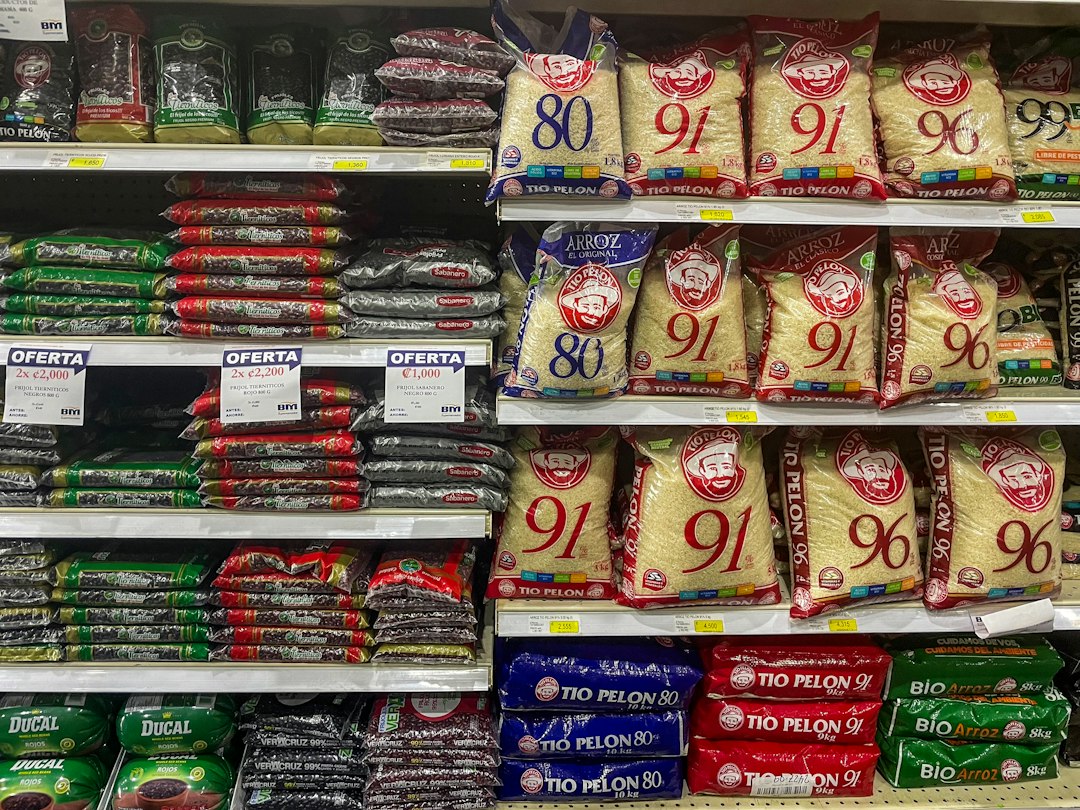
A strong retail plan might include:
- Front-of-store taco meal display from September 28 through October 6.
- Digital coupon bundle for five taco night items.
- Prepared food tie-in with ready-to-heat taco kits.
- Private label feature on salsa, tortilla chips, and shredded cheese.
- Weekend pre-shop message for families planning Tuesday dinner.
Retailers should not wait until October 6. Many households shop the weekend before. If the display appears only on the day itself, expect to miss a large share of planned meals.
Measurement should be simple. Compare taco-related category sales against the same weekday in prior weeks. Track units per transaction, attachment rate, coupon redemption, and prepared meal kit sales. A well-placed bundle may not need a deep discount if it removes friction for the shopper.
Campaign Concepts for Food Brands
Packaged food brands have a different job. They need to win attention before the shopper reaches the shelf. The offer should be specific and tied to a real use case.
For tortilla brands: focus on freshness, flexibility, and family pack value. Show soft tacos, crispy pan tacos, and breakfast tacos. Do not rely on one generic product photo.
For sauce and salsa brands: run heat-level campaigns. Help shoppers pick mild, medium, spicy, or extra spicy with confidence. A small “build your taco bar” guide can raise purchase intent.
For protein brands: connect the product to speed. Shredded chicken, seasoned beef, plant-based crumbles, and seafood can all fit the occasion if the cooking steps are clear.
For beverage brands: pair with flavor. Sparkling water, beer, soda, aguas frescas, and ready-to-drink cocktails can all be promoted, depending on channel rules and audience age.
Promotions That Work Without Wrecking Margin
The most reliable offers are clean, limited, and easy to staff. Avoid discounts that punish your best-selling item without increasing the basket.
- Bundle pricing: better than single-item discounting.
- Bonus item with threshold: “Spend $15, get chips and salsa.”
- Next visit reward: strong for restaurants with loyalty programs.
- Retail basket coupon: discount after buying three or more taco night items.
- Limited flavor drop: useful when supply is controlled.
Free items can work, but only with a cap. Set time windows, redemption rules, and unit limits. Train staff before the rush. It drives me crazy when brands approve a clever offer and then leave cashiers to explain vague terms while a lunch line grows.
Media Plan and Timing
Start public messaging by mid-September. Use the first week for awareness. Use the second week for offer clarity. Use the final five days for urgency.
A practical schedule:
- Six weeks out: finalize offer, creative, staffing, and supply estimates.
- Four weeks out: brief stores, distributors, creators, and retail partners.
- Two weeks out: launch email, paid social, in-store signage, and app banners.
- Three days out: push reminders, local PR, and short-form video.
- Day after: send thank-you message and next-visit incentive.
Creative Angles That Feel Credible
Serious campaigns can still be fun. The tone should match the brand. A premium restaurant should not copy a meme-heavy fast-food voice. A grocery chain should focus on ease, value, and meal planning.
Useful creative angles include:
- “Taco Night Made Easy” for retailers and meal kits.
- “One Day, Three Tacos” for restaurants with flights.
- “Build Your Heat Level” for sauces and condiments.
- “Your Tuesday Dinner Plan” for family-focused brands.
- “Try the 2026 Taco Drop” for limited-time flavors.
Operational Risks to Fix Early
National food holidays expose weak operations. A strong campaign can fail if the store runs out of tortillas by 6 p.m. or the mobile app crashes during lunch.
Review these areas before launch:
- Inventory: forecast tortillas, fillings, sauces, packaging, and drinks.
- Labor: schedule extra support for order assembly and pickup.
- Technology: test promo codes, app rewards, and point-of-sale rules.
- Signage: make terms visible before checkout.
- Customer care: prepare responses for sold-out items and coupon issues.
What to Measure After October 6
Judge the campaign by more than sales. Revenue matters, but so does customer quality. Track total transactions, average order value, new loyalty members, repeat visits, item mix, coupon use, and social engagement tied to store visits or retail sales.
For food brands, compare promoted stores with non-promoted stores where possible. For restaurants, separate dine-in, drive-thru, delivery, and app orders. For retailers, measure the full taco basket, not only the featured item.
The best National Taco Day 2026 campaigns will be planned like serious commercial programs. The brands that win will give customers a clear reason to act, make the purchase simple, and capture value beyond a single Tuesday.