Recurring meetings are the rhythm section of team collaboration: when they are well designed, they keep everyone aligned, focused, and moving in the same direction. When they are poorly managed, however, they become calendar clutter that drains attention and slows decision-making. The difference is not whether a meeting repeats, but whether it continues to serve a clear purpose.
TLDR: Recurring meetings work best when they have a defined goal, the right participants, a clear agenda, and a regular review cycle. Keep them focused on decisions, updates, blockers, and collaboration that genuinely benefits from live discussion. If a recurring meeting no longer creates value, shorten it, redesign it, or cancel it. Productive teams treat meetings as tools, not habits.
Why Recurring Meetings Matter
In modern teams, work moves quickly across functions, tools, and time zones. A recurring meeting can create a dependable space for alignment, problem-solving, planning, and relationship-building. It gives people a predictable opportunity to ask questions, surface risks, and make decisions before small misunderstandings become expensive problems.
But repetition can also create complacency. A weekly meeting that was useful three months ago may now be unnecessary. A daily check-in that once helped a new project launch may become a routine status report that could be handled asynchronously. The best teams understand that recurring meetings should evolve alongside the work.

Start With a Clear Purpose
Every recurring meeting should answer a simple question: Why does this meeting exist? If the answer is vague, the meeting is likely to drift. A strong purpose might be “resolve project blockers,” “prioritize the product backlog,” “review weekly customer insights,” or “coordinate cross-functional launch tasks.”
A clear purpose helps determine the meeting’s structure, participants, and frequency. For example, a meeting designed for decision-making should include the people authorized to make decisions. A meeting designed for information sharing may not need to happen live at all.
Before creating or continuing a recurring meeting, consider these questions:
- What outcome should this meeting produce?
- Who truly needs to attend?
- How often does this conversation need to happen?
- Could part of this be handled asynchronously?
- What would happen if we canceled it?
Invite the Right People, Not Everyone
One of the most common meeting mistakes is inviting too many people “just in case.” While inclusivity is important, over-inviting can reduce productivity. More attendees often means longer discussions, less accountability, and fewer people actively contributing.
A productive recurring meeting includes the people who are needed to move the agenda forward. Others can be informed through notes, recordings, dashboards, or written summaries. This approach respects everyone’s time while still keeping stakeholders updated.
It can be helpful to define attendee roles:
- Decision makers: People who can approve, reject, or redirect work.
- Contributors: People who provide necessary expertise or updates.
- Facilitator: The person responsible for guiding the discussion.
- Optional observers: People who may benefit from context but are not required.
If someone regularly attends but rarely speaks, acts, or decides, they may not need to be there every time.
Build an Agenda That Drives Action
An agenda is not a formality; it is the meeting’s operating system. Without one, recurring meetings easily become unfocused conversations. A good agenda sets expectations, gives attendees time to prepare, and keeps the meeting anchored to useful outcomes.
For best results, share the agenda in advance and organize it around action-oriented items. Instead of writing “Marketing update,” try “Decide launch email timing” or “Identify risks in campaign timeline.” This subtle change shifts the meeting from passive reporting to active collaboration.
A strong recurring meeting agenda might include:
- Quick check-in: Confirm priorities or urgent changes.
- Review of previous action items: Track accountability.
- Key discussion topics: Focus on decisions, blockers, or trade-offs.
- New risks or dependencies: Surface issues early.
- Next steps: Assign owners and deadlines.
Choose the Right Frequency and Length
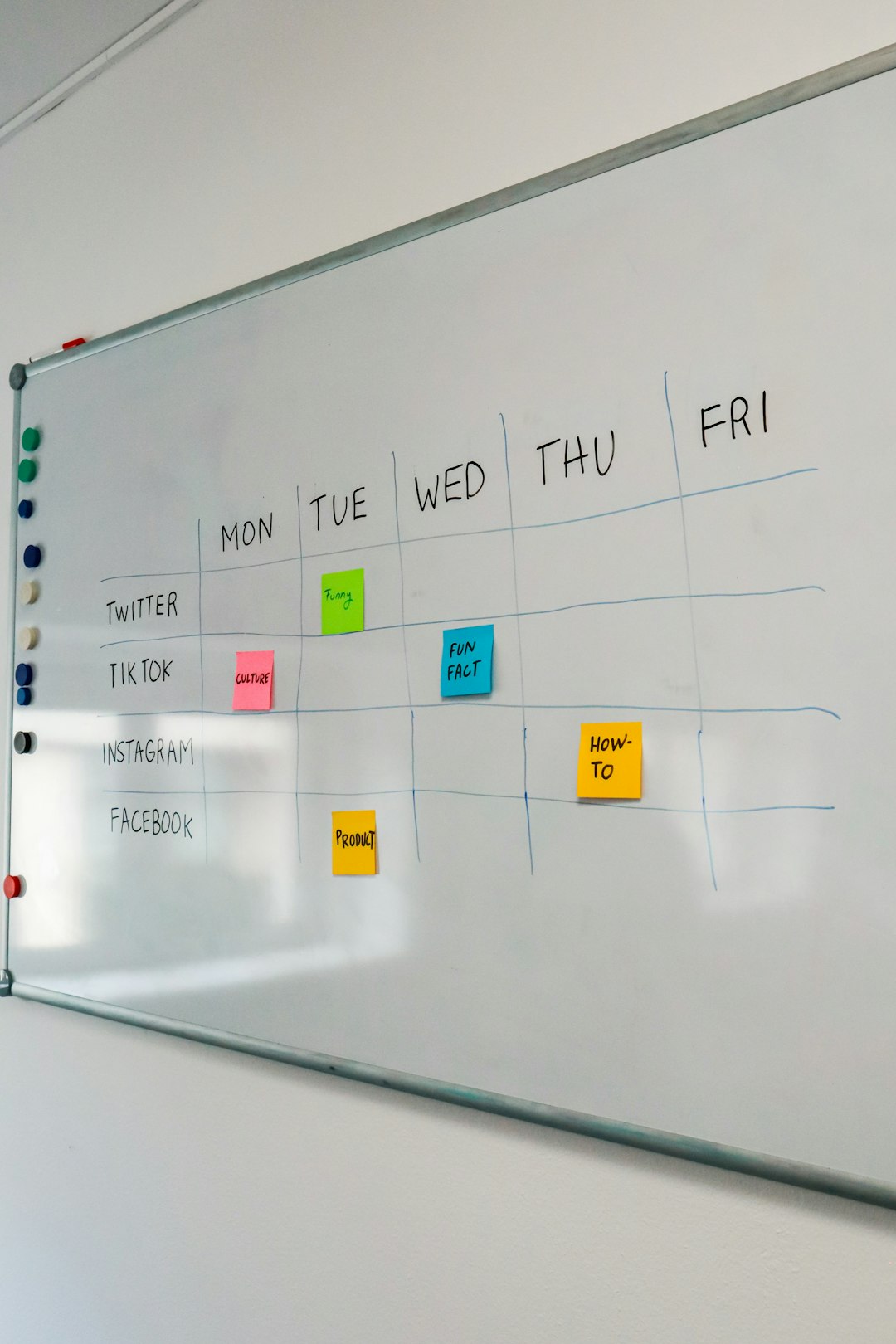
Not every recurring meeting needs to happen weekly, and not every meeting needs 60 minutes. The default calendar slots of 30 or 60 minutes often create unnecessary padding. A meeting should be only as long and frequent as the work requires.
Daily standups may be useful for fast-moving development teams, but excessive for strategic planning groups. Weekly check-ins may suit active projects, while monthly reviews may be better for reporting trends or reflecting on performance. If a meeting consistently ends early, shorten it. If there is often no meaningful agenda, reduce the frequency.
Consider experimenting with formats such as:
- 15-minute tactical check-ins for quick alignment.
- 25-minute meetings to encourage focus and allow transition time.
- Biweekly reviews for topics that do not change weekly.
- Office hours for optional questions instead of mandatory attendance.
Make Participation Intentional
Productive collaboration requires more than people being present on a video call. Team members should know what kind of participation is expected. Are they expected to bring updates, make decisions, challenge assumptions, or simply listen?
Facilitators can improve engagement by asking specific questions, rotating speakers, and creating space for quieter contributors. For remote or hybrid teams, written prompts can help people prepare thoughtful input before the meeting begins. This is especially valuable for complex decisions, where quick verbal reactions may not produce the best thinking.
To encourage meaningful participation, try:
- Sending pre-read materials at least a day in advance.
- Using shared documents for live notes and comments.
- Asking participants to add agenda items before the meeting.
- Rotating facilitation to increase ownership.
- Ending with a quick round of concerns or unresolved questions.
Capture Decisions and Action Items
A meeting without follow-through is just a conversation. Recurring meetings should produce a clear record of what was decided, who owns each task, and when it is due. This does not require lengthy minutes; in fact, short and structured notes are usually more useful.
At the end of each meeting, take two minutes to confirm:
- Decisions made
- Action items assigned
- Owners for each action
- Deadlines or next review dates
- Topics deferred for later
This practice prevents confusion and reduces the need for follow-up meetings. It also creates continuity, especially when someone misses a session or joins the project later.
Use Asynchronous Updates Wisely
Some meeting content does not need live discussion. Status updates, metrics, progress summaries, and routine announcements can often be shared through project management tools, dashboards, or written updates. This frees meeting time for work that benefits from conversation: decision-making, prioritization, brainstorming, and conflict resolution.
A helpful rule is: read alone, discuss together. If information can be absorbed independently, send it ahead of time. Then use the meeting to clarify, debate, and decide.
Review and Improve Regularly
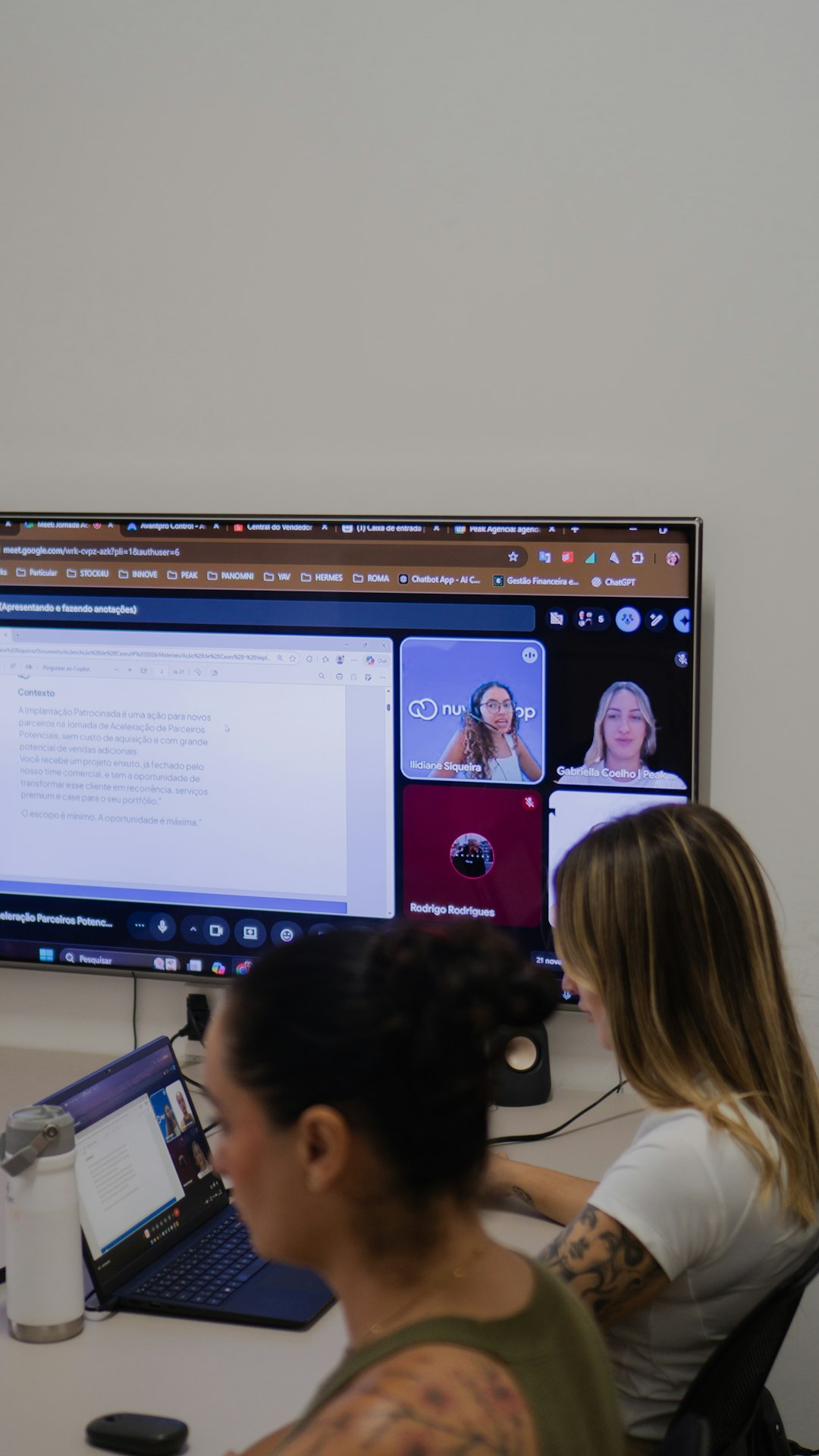
Recurring meetings should not be permanent by default. Schedule a review every quarter, or even monthly for fast-changing teams. Ask whether the meeting is still valuable, whether the right people attend, and whether the format needs adjustment.
You can gather feedback with a few simple questions:
- What part of this meeting is most useful?
- What could be shorter or removed?
- Are we making decisions efficiently?
- Is the frequency still appropriate?
- What should we do asynchronously instead?
Small improvements can make a big difference. Shortening a meeting by 15 minutes, removing unnecessary attendees, or replacing one session per month with a written update can save hours of team time while improving focus.
Create a Culture of Meeting Discipline
The best recurring meetings are supported by a culture that values time, clarity, and accountability. Starting on time, ending on time, preparing in advance, and respecting the agenda are simple habits that signal professionalism. They also make collaboration feel lighter and more purposeful.
Leaders play a major role in setting this tone. When managers cancel meetings without agendas, encourage concise updates, and invite feedback on meeting quality, teams feel permission to work more intentionally. Over time, this creates a healthier collaboration environment where meetings are chosen because they help, not because they are automatic.
Recurring meetings are not the enemy of productivity. Unexamined meetings are. With a clear purpose, thoughtful participation, disciplined facilitation, and regular review, recurring meetings can become one of the most effective ways to keep teams aligned, connected, and ready to act.