Building a customer success plan can feel like packing for a trip. You need the right map. You need snacks. And you need to know where you are going. A good plan helps your team guide customers from “Hello!” to “Wow, this is working!” without confusion.
TLDR: A customer success plan is a simple roadmap for helping customers reach their goals. It includes clear goals, useful KPIs, and a friendly onboarding framework. The best plans are easy to follow, easy to measure, and easy to improve. Think of it as a shared playbook for happy customers and a healthier business.
What Is a Customer Success Plan?
A customer success plan is a document that explains how your team will help customers succeed. It connects customer goals with your product, service, and support.
It answers simple questions:
- What does the customer want to achieve?
- How will we help them get there?
- What steps happen first?
- How will we know if things are working?
- Who is responsible for each step?
Without a plan, customer success can become a guessing game. And guessing is not a strategy. It is more like throwing spaghetti at the wall. Sometimes it sticks. Mostly, it makes a mess.
With a plan, your team gets focus. Customers get confidence. Everyone knows what success looks like.
Why You Need a Customer Success Plan Template
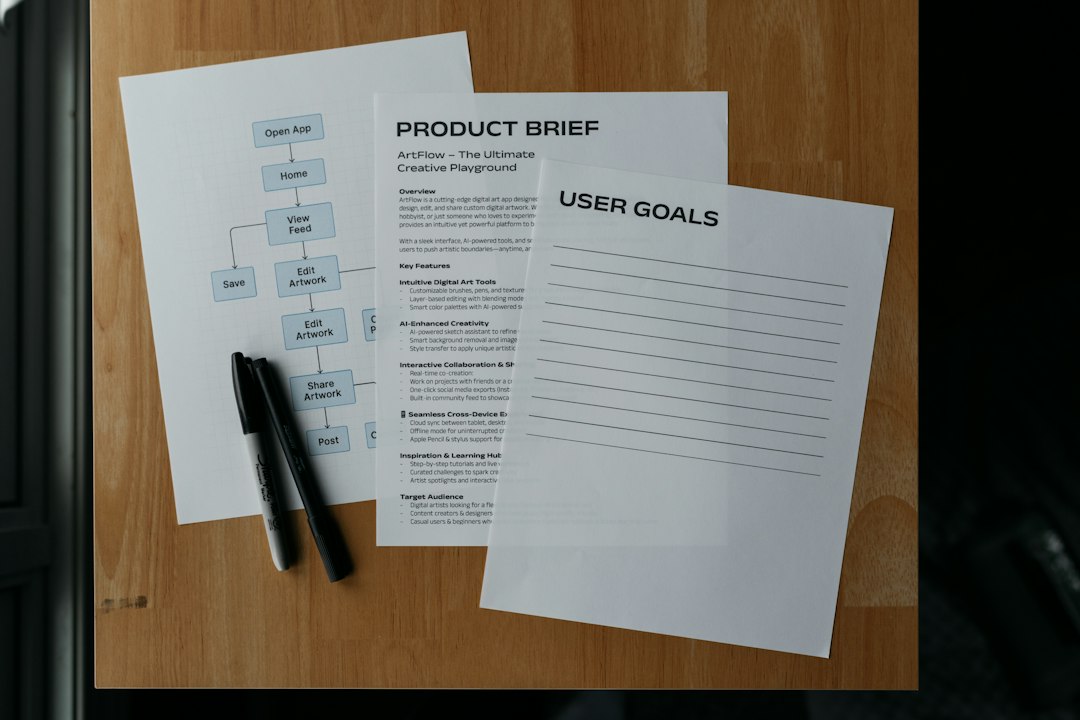
A template saves time. It gives your team a repeatable structure. You do not have to start from zero every time a new customer joins.
A strong template also creates consistency. This is important. Customers should not have totally different experiences just because they work with different team members.
Your template should be simple. If it takes three hours to understand, it is not helping. It should be clear enough that a new team member can read it and say, “Got it. Let’s go.”
The Core Parts of a Customer Success Plan Template
A useful template has a few key sections. You can make it fancy later. Start with the basics first.
1. Customer Overview
This is the quick profile. Keep it short.
- Company name: Who is the customer?
- Main contact: Who is your champion?
- Team size: How many users are involved?
- Use case: Why did they buy?
- Plan or package: What did they purchase?
This section helps everyone understand the customer at a glance. No detective work needed.
2. Customer Goals
Goals are the heart of the plan. They explain what the customer wants. Not what you want. Not what your dashboard wants. The customer.
Good goals are specific. “Use the product more” is too vague. “Train 20 sales reps by the end of month one” is much better.
Use goals like these:
- Launch the platform within 30 days.
- Reduce support tickets by 20% in one quarter.
- Increase product adoption across three teams.
- Complete setup before the next campaign starts.
- Improve reporting speed for managers.
Try to connect every goal to a business outcome. This makes the plan feel useful, not fluffy.
3. Success Milestones
Milestones are checkpoints. They show progress. They also give everyone a reason to celebrate. Yes, even small wins deserve a tiny party.
Examples of milestones include:
- Kickoff call completed.
- Admin settings configured.
- First user group trained.
- First report created.
- First value moment reached.
The “first value moment” is very important. It is the moment when the customer says, “Ah, I see why we bought this.” Get them there fast.
Choosing the Right KPIs
KPIs are key performance indicators. In normal words, they are numbers that tell you if the plan is working.
Do not track everything. That creates noise. Pick a few KPIs that match the customer’s goals.
Common Customer Success KPIs
- Time to value: How long until the customer gets their first clear win?
- Product adoption: How many users are active?
- Feature usage: Are customers using the right features?
- Customer health score: Is the account healthy, at risk, or somewhere in the middle?
- Net retention: Are customers renewing and expanding?
- Support ticket volume: Are issues going down over time?
- Customer satisfaction: Are customers happy after key moments?
Here is the rule: every KPI should help you make a decision. If a number looks nice but changes nothing, it may be decoration.

A Simple Customer Onboarding Framework
Onboarding is where the relationship begins. A messy onboarding experience can make customers nervous. A smooth one makes them feel smart and supported.
Use this simple framework:
Step 1: Welcome
Start with a friendly welcome email or call. Confirm the customer’s goals. Introduce the team. Set expectations.
Make it warm. Make it clear. Do not bury people under 14 attachments and a giant PDF. That is not a welcome. That is homework.
Step 2: Kickoff
The kickoff meeting sets the tone. Use it to align on goals, roles, timeline, and next steps.
Your kickoff agenda can include:
- Introductions
- Customer goals
- Success metrics
- Timeline
- Risks or blockers
- Next actions
Step 3: Setup
This is the technical or account configuration stage. Keep it organized. Create a checklist. Assign owners.
Setup may include user access, integrations, settings, data imports, and permissions. It may sound boring. But good setup prevents many future headaches.
Step 4: Training
Training should be practical. Show customers how to do the things they actually need to do.
Try short sessions. Use real examples. Give people simple guides. Record sessions if possible.
Remember, the goal is not to show every button. The goal is to help users feel confident.
Step 5: First Value
This is the magic moment. Help the customer achieve one real result quickly.
Maybe they publish their first campaign. Maybe they build their first dashboard. Maybe they automate one painful task. Whatever it is, name it. Track it. Celebrate it.
Step 6: Review and Expand
After onboarding, review progress. Look at the goals and KPIs. Ask what is working. Ask what feels hard.
This is also the time to plan the next stage. Success is not a finish line. It is more like a video game. You unlock new levels.
Customer Success Plan Template
Here is a simple template you can copy and adapt:
- Customer name: Add company name.
- Main contact: Add primary stakeholder.
- Customer goal: Define the main business outcome.
- Success milestones: List key checkpoints.
- KPIs: Choose three to five useful metrics.
- Onboarding timeline: Add dates and stages.
- Responsibilities: Assign owners on both sides.
- Risks: List blockers and concerns.
- Next review date: Schedule the follow-up.
Keep this template visible. Share it with the customer. A customer success plan works best when it is not hidden in a secret folder with a mysterious file name.
Tips to Make the Plan Actually Work
A template is only useful if people use it. So make it easy.
- Keep it short: One clear page is better than ten confusing ones.
- Use plain language: Avoid buzzwords when possible.
- Review it often: Customer needs can change.
- Assign owners: Every task needs a name next to it.
- Celebrate wins: Progress builds trust.
- Watch for risk signals: Low usage, missed meetings, and silence can mean trouble.
Also, do not create the plan alone. Involve the customer. Ask them what success means. Ask what would make them look good to their boss. That question is gold.
Final Thoughts
A customer success plan does not need to be complicated. It needs to be clear. It should show the customer where they are going, how they will get there, and how progress will be measured.
Start with goals. Pick smart KPIs. Build a simple onboarding framework. Then keep improving as you learn.
When done well, your plan becomes more than a document. It becomes a shared promise. Your customer brings the goal. You bring the guide. Together, you turn “I hope this works” into “Look what we achieved.”