Product analytics has become a core discipline for modern software teams. While PostHog is a popular open-source analytics platform, it is far from the only option available. Depending on scale, regulatory requirements, data governance policies, or product complexity, engineering and product teams often evaluate a variety of alternatives before committing to a solution. Selecting the right platform requires careful consideration of technical architecture, usability, privacy compliance, and long-term cost efficiency.
TLDR: Many development teams evaluate alternatives to PostHog based on scalability, compliance, advanced analytics needs, and pricing predictability. Platforms such as Amplitude, Mixpanel, Heap, Pendo, and Google Analytics 4 each offer distinct strengths. The decision often hinges on infrastructure flexibility, reporting depth, and integration ecosystems. Choosing the right tool involves balancing usability, data ownership, and analytical sophistication.
Below is a detailed look at leading platforms developers frequently consider instead of PostHog, along with insights into why these options may better suit specific product analytics strategies.
Why Teams Explore Alternatives
Before evaluating individual tools, it is important to understand what motivates teams to explore other platforms. Common factors include:
- Scalability limitations as event volume grows.
- Complex setup or maintenance for self-hosted environments.
- Advanced reporting gaps for behavioral or predictive analytics.
- Regulatory compliance requirements such as HIPAA or GDPR.
- Enterprise support expectations and SLAs.
For high-growth startups and large enterprises alike, analytics is not simply about tracking events—it is about driving strategic decisions from accurate, reliable data.
1. Amplitude
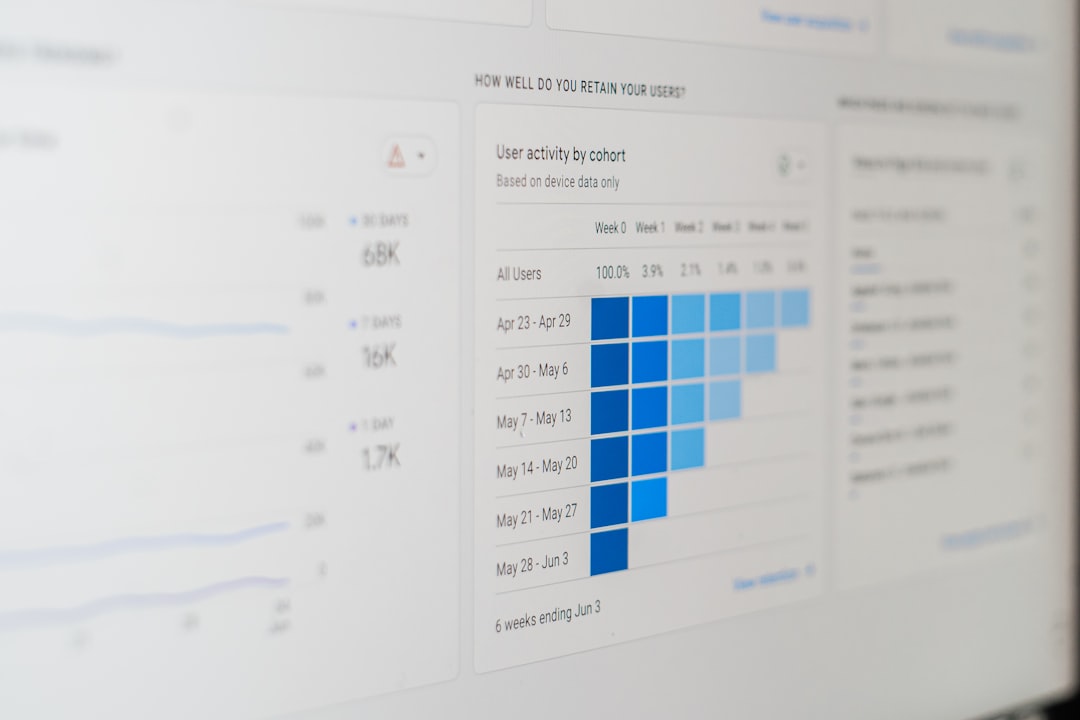
Amplitude is often regarded as a market leader in product analytics. It is engineered specifically for behavioral analysis, making it attractive for teams focused on user journeys, retention cohorts, and experimentation.
Key advantages:
- Advanced cohort and retention analysis.
- Strong experimentation and A/B testing integrations.
- Enterprise-grade scalability.
- Predictive analytics features powered by machine learning.
Amplitude is particularly appealing to product-led growth organizations that prioritize deep behavioral insights. However, it can be expensive at higher event volumes, which may be a limiting factor for early-stage startups.
2. Mixpanel
Mixpanel has long been a direct competitor in the product analytics space. It focuses heavily on self-serve reporting and funnel analysis.
Why developers evaluate Mixpanel:
- Intuitive event-based tracking model.
- Powerful funnel visualization tools.
- Comprehensive segmentation capabilities.
- Flexible reporting dashboards.
Mixpanel’s interface is often praised for ease of use. Engineering teams appreciate its straightforward implementation, while product managers value its strong exploration tools. Pricing structures, though more transparent in recent years, still require close evaluation at scale.
3. Heap
Heap differentiates itself by automatically capturing user interactions without requiring extensive manual instrumentation.
Core strengths:
- Auto-capture of clicks, form submissions, and page views.
- Reduced dependency on engineering teams for event tracking.
- Retroactive data analysis.
- Behavioral segmentation and journey mapping.
This auto-capture capability is particularly valuable for fast-moving product teams that want flexibility without repeated deployments. However, some developers prefer more granular control over event tracking schemas for governance purposes.
4. Pendo
Pendo combines product analytics with in-app guidance and user feedback tools. This dual capability makes it attractive for customer success and product adoption strategies.

Why teams consider Pendo:
- Embedded onboarding messages and feature walkthroughs.
- User sentiment collection tools.
- Product engagement analytics.
- Strong integration with customer success workflows.
While Pendo may not offer the same depth of technical analytics as Amplitude or Mixpanel, it excels in improving feature adoption and onboarding experiences.
5. Google Analytics 4 (GA4)
Although traditionally viewed as a marketing analytics platform, GA4 has evolved to include event-based tracking and product usage insights.
Advantages include:
- Free entry-level access.
- Native integration with Google’s ecosystem.
- Cross-platform tracking capabilities.
- Built-in predictive metrics.
GA4 may not fully replace specialized product analytics tools for complex SaaS environments, but it often serves as a complementary or cost-effective alternative for smaller teams.
6. Snowflake + BI Stack (Custom Analytics)
Some engineering-driven teams bypass dedicated analytics SaaS tools entirely. Instead, they route product events into a data warehouse such as Snowflake or BigQuery, then analyze the data via business intelligence tools like Looker or Tableau.

Benefits of this approach:
- Full data ownership and governance.
- Unlimited customization of queries.
- Advanced modeling and SQL flexibility.
- Reduced vendor lock-in.
This approach demands significant engineering resources but provides unmatched flexibility and control for data-mature organizations.
Comparison Chart
| Platform | Best For | Scalability | Ease of Implementation | Advanced Analytics | Pricing Complexity |
|---|---|---|---|---|---|
| Amplitude | Enterprise product teams | Very High | Moderate | Excellent | High |
| Mixpanel | Growth-focused SaaS | High | Easy | Strong | Moderate |
| Heap | Fast-moving teams | High | Very Easy | Moderate | Moderate |
| Pendo | Adoption and onboarding | High | Moderate | Moderate | High |
| GA4 | Cost-conscious teams | High | Easy | Basic to Moderate | Low |
| Warehouse + BI | Data-mature organizations | Very High | Complex | Excellent | Variable |
Key Evaluation Criteria for Developers
Developers tend to assess analytics platforms through a technical rather than purely business lens. Important considerations include:
- Data model flexibility: Is the schema event-based or object-based?
- API reliability and documentation: How well-documented are SDKs?
- Performance overhead: Does tracking impact application speed?
- Security certifications: SOC 2, HIPAA, ISO compliance.
- Integration ecosystem: Compatibility with CRMs, marketing automation, and experimentation platforms.
Additionally, engineering teams often evaluate vendor transparency, roadmap stability, and the ability to export raw data without friction.
Cost Considerations
Pricing structures vary significantly across platforms. Event-based billing, monthly tracked users (MTUs), and feature-tier pricing all introduce unpredictability at scale. Tools with generous free tiers may become substantially more expensive once thresholds are exceeded.
Warehouse-first strategies, while initially complex, sometimes provide long-term cost predictability compared to rapidly scaling SaaS analytics pricing.
Privacy and Data Governance
Data privacy concerns increasingly influence vendor selection. Organizations operating in healthcare, fintech, or regulated markets often require:
- Data residency controls.
- Robust consent management integrations.
- Strict access permissions.
- Comprehensive audit logs.
Open-source or self-hosted models can provide greater control, but hosted enterprise offerings may deliver stronger compliance assurances.
Final Thoughts
There is no universally superior replacement for PostHog. The “best” platform differs depending on company size, analytics maturity, regulatory environment, and internal engineering bandwidth.
Amplitude and Mixpanel typically lead in sophisticated behavioral analytics. Heap simplifies data collection, reducing engineering overhead. Pendo bridges analytics with in-app engagement. GA4 provides accessible analytics within a broader marketing ecosystem. And warehouse-first architectures offer unmatched flexibility for data-centric organizations.
Developers and product leaders should approach this evaluation methodically—conducting proof-of-concept tests, calculating projected event growth, and assessing integration compatibility before committing. Product analytics is a foundational layer of digital strategy. Selecting the right platform is not merely a tooling decision—it is an investment in how an organization understands and shapes its user experience.