Affiliate marketing has evolved into a data-driven industry where precision tracking determines profitability. Businesses, influencers, and performance marketers rely heavily on affiliate tracking apps to monitor traffic sources, campaign performance, and sales conversions. Without accurate tracking systems, even the most creative campaigns can fall short because marketers simply do not know what is working and what is not. Modern affiliate tracking tools provide deep insights, automation, and reporting that make it possible to optimize every click and conversion.
TLDR: Affiliate tracking apps help businesses and marketers monitor traffic sources, conversions, and affiliate performance in real time. These tools provide detailed analytics, fraud detection, link tracking, and automation to improve campaigns. Popular platforms such as Voluum, ClickMeter, Post Affiliate Pro, RedTrack, and Tapfiliate offer various features tailored to different needs. Choosing the right solution depends on budget, business scale, and integration requirements.
Why Affiliate Tracking Apps Matter
Affiliate marketing involves multiple moving parts: publishers, referral links, landing pages, and payment models. Without a dedicated tracking application, it becomes nearly impossible to determine which affiliate generated a sale or which traffic source resulted in the highest return on investment.
Affiliate tracking apps help with:
- Monitoring traffic sources such as social media, email campaigns, paid ads, and organic search.
- Tracking conversions across devices and platforms.
- Preventing fraud through bot detection and click validation.
- Managing commissions and automating payouts.
- Optimizing campaigns using performance analytics and A/B testing.
For businesses looking to scale, data transparency is not optional—it is essential.
Core Features of Modern Affiliate Tracking Tools
Affiliate tracking software has advanced significantly in recent years. Today’s platforms offer enterprise-grade features in user-friendly dashboards.
1. Real-Time Analytics
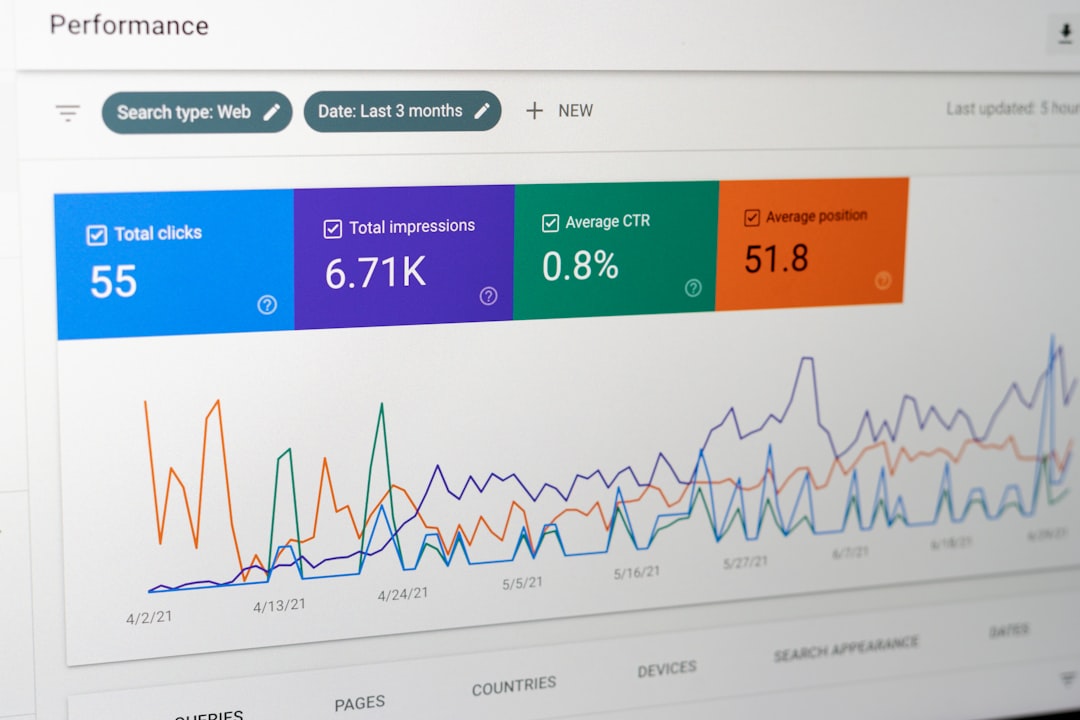
Marketers can monitor clicks, conversions, revenue, and traffic quality in real time. Immediate access to data allows faster decision-making and budget adjustments.
2. Multi-Channel Attribution
Modern buyers interact with brands across multiple touchpoints. Affiliate tools help attribute sales correctly, even when users switch devices.
3. Custom Tracking Links
Unique tracking URLs allow marketers to identify exactly which affiliate, campaign, or placement generated traffic.
4. Fraud Detection
Click fraud and bot traffic waste advertising budgets. Advanced platforms filter suspicious activity using IP analysis and behavioral data.
5. Integration Capabilities
Most apps integrate with CRM systems, payment gateways, ecommerce platforms, and email marketing tools.
Popular Affiliate Tracking Apps
Several established platforms dominate the affiliate tracking space. Each offers distinct strengths depending on campaign complexity and business size.
1. Voluum
Voluum is known for its powerful analytics engine and cloud-based infrastructure. It is widely used by professional affiliates running large-scale paid campaigns. Voluum provides automated traffic distribution and AI-driven optimization tools.
Best for: Advanced affiliates managing high traffic volumes.
2. ClickMeter
ClickMeter focuses heavily on link tracking and conversion monitoring. It is suitable for agencies and businesses that need transparent client reporting and branded tracking links.
Best for: Agencies and businesses tracking multi-channel campaigns.
3. Post Affiliate Pro
Post Affiliate Pro is a comprehensive affiliate management solution. It offers affiliate recruitment tools, customizable commission structures, and fraud protection features.
Best for: Companies building structured affiliate programs.
4. RedTrack
RedTrack emphasizes automation and data centralization. It integrates with many ad networks and ecommerce platforms, allowing easy revenue attribution.
Best for: Ecommerce brands and media buyers.
5. Tapfiliate
Tapfiliate is user-friendly and cloud-based, offering seamless integration with ecommerce platforms such as Shopify and WooCommerce. It includes automated commission payments and performance tracking.
Best for: Small to mid-sized ecommerce businesses.

Comparison Chart of Top Affiliate Tracking Apps
| Platform | Best For | Key Feature | Cloud Based | Fraud Detection |
|---|---|---|---|---|
| Voluum | Professional affiliates | AI campaign optimization | Yes | Advanced |
| ClickMeter | Agencies | Branded link tracking | Yes | Moderate |
| Post Affiliate Pro | Affiliate program management | Custom commission structures | Both options | Advanced |
| RedTrack | Ecommerce brands | Revenue attribution automation | Yes | Strong |
| Tapfiliate | Small businesses | Ecommerce integrations | Yes | Basic |
How to Choose the Right Affiliate Tracking App
Selecting the right tool depends on several strategic factors.
- Business Size: Larger companies may require enterprise-level analytics and automation.
- Budget: Pricing varies significantly depending on traffic volume and feature sets.
- Integration Needs: Compatibility with ecommerce platforms and CRMs is crucial.
- Scalability: The platform should grow alongside campaign demands.
- Ease of Use: A clean dashboard reduces training time and operational errors.
Organizations often begin with a limited feature set and upgrade as revenue scales. Testing trial versions before committing is a common and practical strategy.
Benefits of Using Affiliate Tracking Software
Affiliate tracking applications offer tangible advantages that directly impact revenue growth.
Improved ROI Tracking
By identifying top-performing traffic channels, marketers can allocate budgets more efficiently.
Enhanced Transparency
Affiliates gain access to performance dashboards, building trust between brands and partners.
Automation
Commission calculation and payouts can be automated, minimizing administrative work.
Accurate Attribution
Multi-touch attribution models ensure that the right source gets credit for conversions.
Performance Optimization
Detailed analytics enable data-backed campaign refinements.

Common Challenges Without Proper Tracking
Operating without an affiliate tracking system creates significant risks:
- Misattributed sales and partner disputes
- Overpayment due to inaccurate reporting
- Budget loss from fraudulent clicks
- Inability to scale campaigns confidently
- Poor visibility into traffic quality
These issues often result in wasted marketing spend and damaged affiliate relationships. Robust tracking infrastructure minimizes these risks.
Future Trends in Affiliate Tracking
The affiliate marketing landscape continues to evolve, driven by privacy regulations and new technologies.
Cookieless Tracking: As third-party cookies phase out, platforms are adopting server-side tracking and first-party data strategies.
AI Optimization: Artificial intelligence increasingly automates traffic distribution and bid adjustments.
Cross-Device Monitoring: Seamless user journey tracking across smartphones, desktops, and tablets is becoming standard.
Enhanced Fraud Prevention: Machine learning models identify suspicious patterns faster and more accurately than manual systems.
Businesses that adapt to these trends maintain competitive advantages in an increasingly data-sensitive environment.
Conclusion
Affiliate tracking apps play a central role in modern performance marketing strategies. They provide essential visibility into traffic sources, campaign performance, and revenue attribution. Whether a company runs a small ecommerce store or a large-scale affiliate network, tracking software ensures transparency, efficiency, and scalability. By leveraging the right platform, marketers can transform raw data into actionable insights that drive sustained growth.
Frequently Asked Questions (FAQ)
- What is an affiliate tracking app?
An affiliate tracking app is software that monitors clicks, leads, and sales generated through affiliate marketing links, ensuring accurate attribution and reporting. - Do small businesses need affiliate tracking software?
Yes. Even small businesses benefit from accurate sales attribution, automated commission management, and fraud prevention. - Are affiliate tracking tools difficult to set up?
Most modern platforms are designed for user-friendly setup and offer integration guides or customer support to simplify implementation. - How do these apps prevent fraud?
They use IP tracking, bot filtering, behavior analysis, and anomaly detection to identify suspicious traffic patterns. - Can affiliate tracking apps integrate with ecommerce platforms?
Yes. Many tools integrate seamlessly with ecommerce systems, CRMs, and payment processors. - What is the average cost of affiliate tracking software?
Pricing varies widely depending on traffic volume and features, ranging from affordable monthly plans to enterprise-level subscriptions.