Pick wind when you have strong, steady wind and room; pick solar when you want simple, quiet power on roofs or small sites. Both are clean. Both can cut bills. Both can also annoy you in very different ways. In 2023, wind and solar together made about 14% of U.S. electricity, so this is no longer a “future tech” chat; it is a real choice for homes, farms, towns, and companies [source: EIA].
TLDR: Wind energy can produce lots of power, especially at night and in winter, but it needs the right site. Solar is easier to install, easier to scale, and usually more friendly for rooftops. For example, a windy farm using a mid-sized turbine might cover a large share of its yearly power, while a house with 20 solar panels may cut its electric bill by 50% to 90%, depending on sun, price, and battery use. If your site has weak wind, solar usually wins without much drama.
Wind vs solar in one bite
Wind and solar are like two helpful but weird friends.
Solar is the calm one. It sits on your roof. It makes power when the sun shines. It does not move. It does not make noise. It is easy to understand.
Wind is the loud gym friend. It can work hard. It can make power after sunset. It loves open space. But it needs moving air, height, permits, and patience.
So the best choice depends on your site. Not your hopes. Not a glossy brochure. Your actual site.
How wind energy works
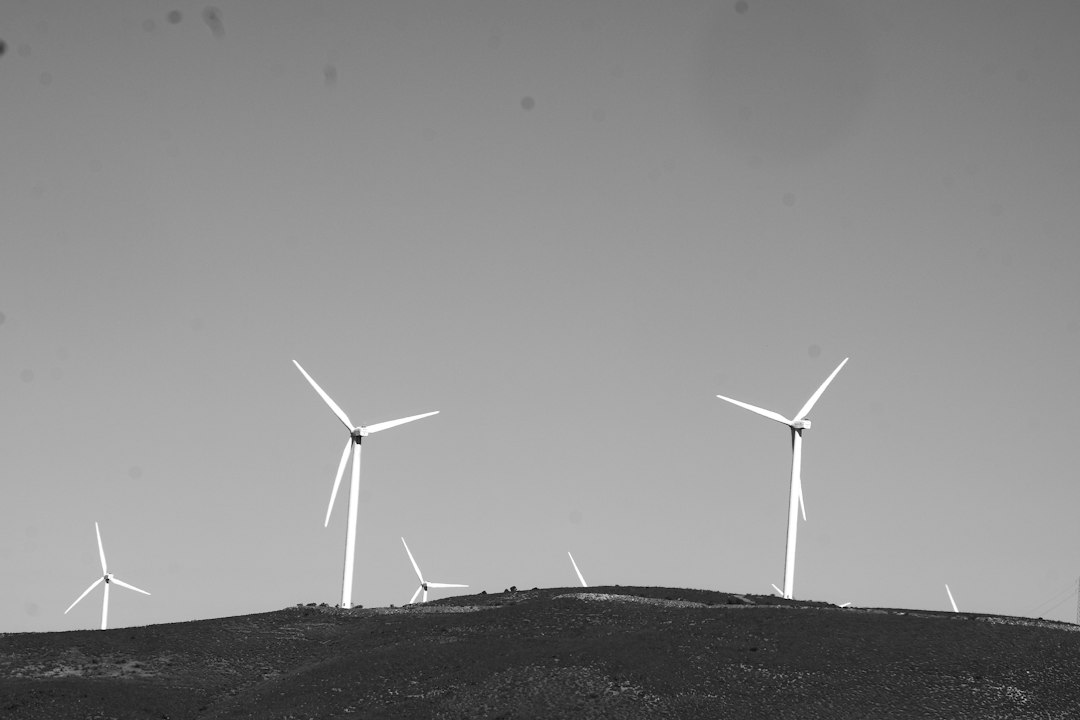
Wind turbines catch moving air with blades. The blades spin a rotor. The rotor turns a generator. The generator makes electricity.
Simple idea. Big machines.
Large wind turbines can be as tall as skyscrapers. Small turbines can power farms, cabins, or remote gear. Offshore turbines sit in the sea, where wind is often stronger and steadier.
The key word is steady. A windy day once a month is not enough. You need regular wind. You also need clean airflow. Trees, buildings, hills, and barns can slow wind or make it messy.
Wind energy pros
- It can make power at night. Solar sleeps after dark. Wind does not care what time it is.
- It works well in colder months. In many places, wind is stronger in winter. That helps when heating loads rise.
- It uses little land at ground level. A turbine needs space, but crops or livestock can often stay around it.
- It has low operating emissions. Once installed, turbines do not burn fuel to make power.
- It scales up well. Big wind farms can produce huge amounts of electricity.
Wind is great when the site fits. A coastal town, open plain, ridge, or large farm may have a real winner.
Wind energy cons
- Bad sites perform badly. No wind means no power. That sounds obvious, but people still ignore it.
- Permits can be a headache. Height limits, setbacks, noise rules, and neighbors can slow things down.
- It can be noisy. Modern turbines are better, but whooshing blades are still a thing.
- It can affect birds and bats. Smart siting helps, but it does not erase the issue.
- Maintenance is harder. A turbine has moving parts. Those parts live high in the air. Fun, right?
Honestly, it feels like wind saves its best performance for people who did their homework. Skip the wind study, and you may end up with a giant spinning sculpture.
How solar energy works
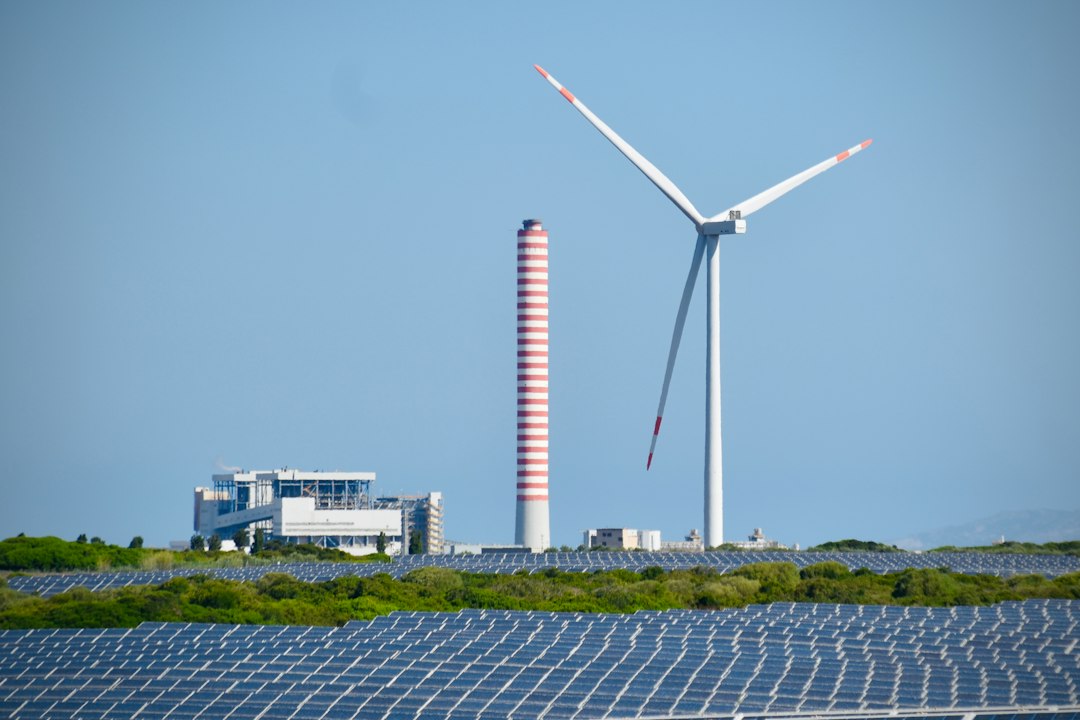
Solar panels turn sunlight into electricity. Most panels use photovoltaic cells. These cells create electric current when hit by light.
Panels can sit on roofs, carports, fields, sheds, or ground racks. Add an inverter, and the power becomes usable for your home or grid connection.
Solar is popular because it is modular. Start small. Add more later. No crane circus needed in many cases.
Solar energy pros
- It is easy to install. Roof solar is common. Crews know the drill.
- It is quiet. No spinning blades. No whoosh. No neighbor drama from sound.
- It works in many places. Even cloudy areas can produce useful solar power.
- It is simple to maintain. No major moving parts. That is a big deal.
- It fits small spaces. A roof can become a mini power plant.
Solar is the easy button for many homes and small businesses. Not always the cheapest in every case. But often the least annoying.
Solar energy cons
- It stops at night. No sun, no solar power. You need the grid, batteries, or another energy source.
- It drops in shade. Trees, chimneys, nearby buildings, and dust can cut output.
- It needs roof quality. A weak or old roof may need repairs first.
- Batteries add cost. Storage is useful, but it is not free magic.
- Winter output can fall. Short days and snow can reduce production.
It drives me crazy that people compare solar quotes without checking shade. Ten extra seconds with a shade tool can save years of disappointment.
Wind vs solar: the simple scorecard
| Factor | Wind | Solar |
|---|---|---|
| Best location | Open, windy land | Sunny roofs or open ground |
| Power timing | Day or night, if windy | Daytime only |
| Noise | Some noise | Silent |
| Maintenance | More moving parts | Low maintenance |
| Small home use | Site specific | Usually easier |
Cost and value
Solar costs are easier to predict for homes. Installers can measure your roof, check sun hours, and model output. The process is fairly standard.
Wind is trickier. A small change in wind speed can make a big change in energy output. That is because wind power rises fast as wind speed increases. A site with average wind can be okay. A site with weak wind can be brutal.
For large projects, wind can be very cost-effective. Utility-scale wind farms can produce cheap power. But for one house, solar often has the cleaner path.
Reliability and storage
Neither wind nor solar is on demand by itself. The sun sets. The wind slows. Clouds show up. Weather has no manners.
This is why storage matters. Batteries can store solar power for evening use. They can also store wind power when production is high. The grid can also act like a backup, depending on local rules.
A mix is often best. Wind may do well at night. Solar may do well at noon. Together, they can smooth out power supply.
Environmental impact
Both options are much cleaner than coal, oil, or gas during operation. They do not burn fuel to make electricity. That means fewer air pollutants and lower carbon emissions.
Still, they are not impact-free. Turbines need steel, concrete, roads, and transmission lines. Solar panels need mined materials and manufacturing. End-of-life recycling is getting better, but it still needs work.
Wind also has wildlife concerns. Solar can use land that might otherwise support plants or farming. Good planning matters. So does placing projects on already disturbed land when possible.
Which one should you choose?
Choose wind if:
- You have strong, steady wind.
- You own open land.
- You can handle permits and setbacks.
- You want power that may run at night.
- You are planning a farm, campus, town, or large project.
Choose solar if:
- You have a sunny roof or open space.
- You want a simpler install.
- You live in a neighborhood.
- You want quiet power.
- You may add batteries later.
The best answer may be both
Wind vs solar does not have to be a cage fight. Many clean energy plans use both. Solar covers sunny hours. Wind can help after dark or during stormy seasons. Batteries fill gaps. The grid adds backup.
For most homeowners, start with solar. It is simpler, quieter, and easier to price. For farms, windy land, coastal sites, and large projects, wind deserves a serious look.
The smart move is boring but powerful. Measure your resource first. Check sun. Check wind. Check local rules. Then run the numbers.
Bottom line: Solar wins on ease. Wind wins on power potential in the right place. The real champion is the option that fits your site, budget, and daily energy use.