For digital marketing agencies, rank tracking is more than a reporting feature; it is a core operational system. A great agency rank tracker tool helps teams monitor keyword positions, prove campaign value, identify SEO opportunities, and communicate progress to clients with confidence. Because agencies often manage dozens or hundreds of campaigns at once, the right platform must combine accuracy, scalability, automation, and clear reporting.
TLDR: A great agency rank tracker tool delivers accurate keyword data, flexible reporting, local and device-specific tracking, and workflow features that support multiple clients. For example, an agency managing 40 clients and 12,000 keywords may save 20–30 hours per month if reports are automated and alerts flag ranking drops instantly. The best tools do not simply show rankings; they help agencies explain performance, prioritize action, and retain clients.
Accuracy and Fresh Data Are Non-Negotiable
The foundation of any rank tracking tool is data accuracy. Agencies rely on ranking positions to make decisions about content, technical SEO, link building, and client communication. If the data is outdated or inconsistent, the entire workflow becomes unreliable.
A strong agency rank tracker should refresh data frequently and allow teams to choose tracking intervals, such as daily, weekly, or on-demand updates. For competitive industries, daily tracking is often essential because rankings can fluctuate rapidly after algorithm updates, competitor campaigns, or technical website changes.
It should also distinguish between organic results, paid placements, local packs, featured snippets, image results, and other search engine result page features. A keyword ranking in position three organically may tell a different story if a local pack, ads, and shopping results appear above it.
Scalability for Multiple Clients and Campaigns
Agency work is rarely simple. One client may need national tracking across hundreds of keywords, while another may require local rankings in 25 cities. A great rank tracker must handle this complexity without creating clutter or slowing down workflows.
Scalability means the tool can support multiple projects, domains, competitors, locations, and user permissions. It should make it easy to organize accounts by client, campaign, region, or service line. This structure helps account managers, SEO specialists, and leadership teams find the right data quickly.
Agencies also benefit from bulk keyword uploads, tagging, filtering, and grouping. For example, keywords can be grouped by service type, funnel stage, product category, or priority level. This allows a team to see whether commercial keywords are improving, whether local keywords are declining, or whether blog content is gaining visibility.
Local, Mobile, and Device-Specific Tracking
Modern search results are highly personalized. Rankings can vary based on location, device, language, and search engine. For this reason, an effective agency rank tracker must go beyond a single national desktop result.
Local SEO agencies especially need tracking by city, ZIP code, region, or service area. A business may rank first in one neighborhood and tenth only a few miles away. Without location-specific data, an agency may overlook important performance gaps.
Mobile tracking is equally important. Many industries receive most of their search traffic from mobile devices, and mobile results often differ from desktop results. A great tool should allow agencies to compare desktop and mobile rankings side by side, helping them understand how users actually encounter a brand in search.
Competitor Tracking and Market Visibility
Rankings only have meaning in context. A keyword drop may not be alarming if every competitor dropped during an algorithm update. Likewise, a client may gain traffic even if one keyword slips, provided the overall visibility trend is positive.
Strong rank tracker tools include competitor monitoring, allowing agencies to compare client visibility against direct rivals. This helps teams identify which competitors are gaining ground, which keywords are contested, and where content gaps exist.
Useful competitor features may include:
- Side-by-side ranking comparisons
- Share of voice or visibility scores
- Keyword overlap analysis
- SERP feature ownership tracking
- Historical competitor movement
These insights make reporting more strategic. Instead of saying a client moved from position six to position four, an agency can explain that the client overtook two major competitors and increased visibility for a high-converting keyword group.
Clear, Automated, and White-Label Reporting
Reporting is one of the main reasons agencies invest in rank tracking software. Clients want to understand outcomes, but they usually do not want to interpret raw data. A great tool turns ranking information into clear, branded, client-ready reports.
White-label reporting is especially valuable because it allows agencies to present reports under their own brand. Reports should include custom logos, colors, commentary, charts, and selected metrics. The ability to schedule reports saves time and creates a consistent communication rhythm.
Effective reports should highlight:
- Keyword gains and losses
- Top ranking pages
- Visibility trends over time
- Local and mobile performance
- Competitor comparisons
- Important SERP features
However, reporting should not be limited to positive movement. A trustworthy report also explains declines, volatility, and next steps. This helps agencies build credibility rather than simply presenting rankings as vanity metrics.
Integrations With SEO and Analytics Tools
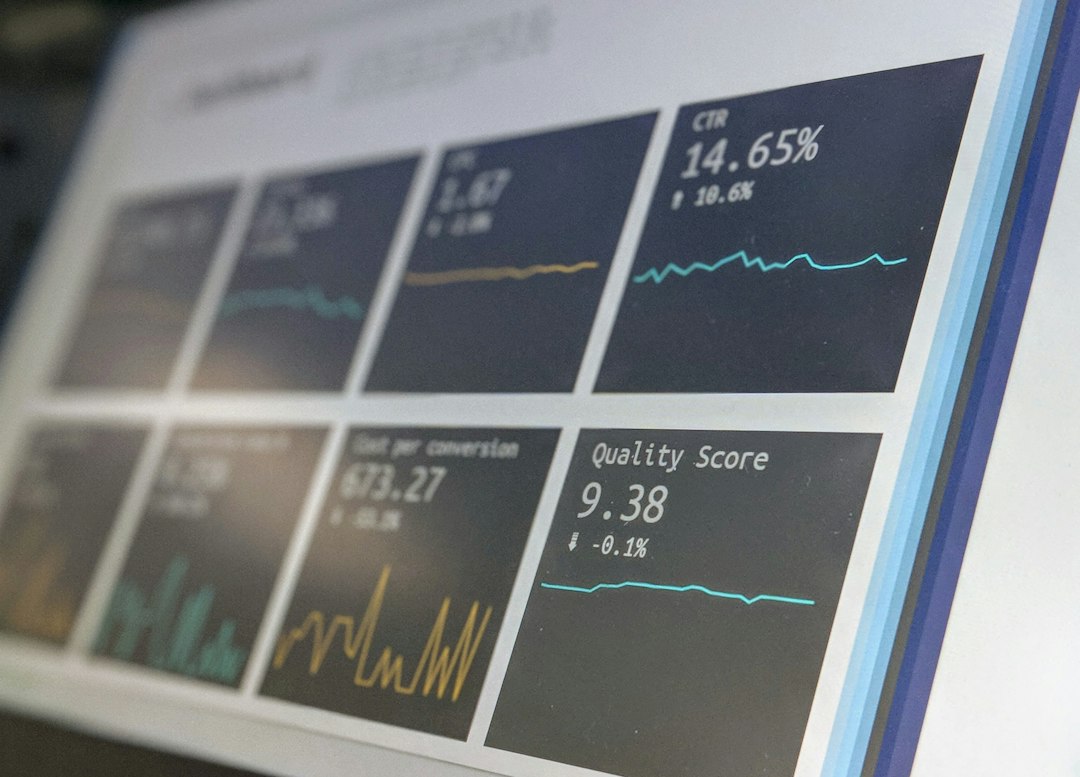
Rankings alone do not prove business impact. A keyword improvement becomes more meaningful when connected to traffic, conversions, leads, sales, or revenue. Therefore, a great rank tracker should integrate with analytics platforms, search console data, data visualization tools, and project management systems.
When ranking data is combined with click-through rates, landing page performance, and conversion metrics, agencies can answer more valuable questions. For example, a client may rank higher for a keyword, but if clicks remain low, the title tag or meta description may need improvement. If traffic increases but leads do not, the landing page may need conversion optimization.
These integrations help agencies move from position tracking to performance analysis.
Alerts, Anomaly Detection, and Workflow Support
Agencies cannot manually inspect every keyword every day. Automated alerts are essential for identifying sudden drops, major gains, new SERP features, or competitor movement. A rank tracker should notify the right team members when specific thresholds are met.
For instance, an agency might set an alert when a priority keyword drops more than five positions, when a client loses a featured snippet, or when a competitor enters the top three. These alerts allow teams to respond quickly before a small issue becomes a major problem.
Workflow features such as notes, annotations, task assignments, and shared dashboards also matter. If a ranking drop happens after a website migration or content update, annotations help teams connect cause and effect. This historical context is valuable during audits, reviews, and strategy meetings.
Usability for Both Experts and Account Managers
A great agency tool must balance depth with simplicity. SEO specialists need granular data, filters, exports, and technical options. Account managers need easy dashboards, summaries, and report explanations. Leadership may need portfolio-level views across all clients.
The best rank tracker tools offer customizable dashboards so each role can focus on relevant information. A cluttered interface slows teams down, while an overly simplified tool may fail to support advanced SEO analysis.
Usability also includes fast loading times, intuitive navigation, reliable exports, and accessible documentation. If a team needs extensive training just to produce a basic report, the tool may create more friction than value.
Pricing That Matches Agency Growth
Pricing is another major consideration. Agencies need predictable costs, especially when keyword volume and client counts grow. A strong rank tracker should offer transparent pricing based on realistic usage, such as keyword limits, projects, users, and reporting needs.
The cheapest tool is not always the best choice. If a low-cost platform lacks automation, accurate local tracking, or white-label reports, it may cost more in staff time. The better question is whether the tool improves efficiency, strengthens client retention, and supports better SEO decisions.
For many agencies, the ideal tool is one that can start small and scale gradually. This allows the agency to add clients, users, locations, and advanced features without migrating to a new platform every year.
Security, Permissions, and Reliability
Agencies often handle sensitive client data, so security and access control are important. A rank tracker should support user roles, permission settings, secure logins, and dependable uptime. Team members should access only the projects and reports relevant to their work.
Reliability is equally important. If reports fail to generate before a client meeting or data is missing during a campaign review, confidence can suffer. Strong uptime, responsive support, and transparent data collection methods all contribute to trust.
What Ultimately Makes a Rank Tracker Great?
A great agency rank tracker tool is not defined by one feature. It is defined by how well it supports the full agency workflow: tracking, analyzing, reporting, explaining, and improving results. It should provide accurate rankings, meaningful context, automated reporting, and flexible dashboards that serve different stakeholders.
Most importantly, it should help agencies make better decisions. Rankings are useful, but insight is more valuable. When a rank tracker helps an agency identify opportunities, prevent losses, communicate clearly, and connect SEO activity to business outcomes, it becomes an essential part of the agency’s growth engine.
FAQ
What is an agency rank tracker tool?
An agency rank tracker tool is software that monitors keyword positions for multiple clients, websites, locations, devices, and competitors. It helps agencies measure SEO visibility and report performance.
How often should agencies track keyword rankings?
Many agencies track priority keywords daily and lower-priority keywords weekly. Competitive markets, local SEO campaigns, and active SEO projects usually benefit from more frequent updates.
Why is local rank tracking important?
Local rankings can change significantly from one city or neighborhood to another. Location-specific tracking helps agencies understand how clients appear to real searchers in target service areas.
Are rankings enough to measure SEO success?
No. Rankings should be analyzed alongside traffic, conversions, click-through rates, leads, and revenue. A high ranking is valuable only if it contributes to meaningful business results.
What features should agencies prioritize?
Agencies should prioritize accuracy, local and mobile tracking, competitor analysis, white-label reporting, integrations, automated alerts, scalability, and strong user permissions.