Inbound sales rarely fails because of one broken form or one weak email. More often, conversion rates stall because the funnel has small points of friction scattered across the buyer journey: unclear messaging, slow follow-up, generic nurturing, poor lead qualification, or sales conversations that arrive before the prospect is ready. To increase conversions by 35%, you need to optimize the entire path from first visit to closed deal, using data, personalization, and consistent testing.
TLDR: To improve your inbound sales funnel, start by identifying where qualified leads drop off and why. Then strengthen your offer, segment leads by intent, automate timely follow-ups, and align sales outreach with buyer behavior. A 35% conversion lift is realistic when you reduce friction, personalize communication, and continuously test the highest-impact funnel stages.
1. Start With a Funnel Audit, Not Guesswork
Before changing landing pages, rewriting emails, or asking sales to “follow up faster,” map the full funnel. Your goal is to understand exactly where prospects enter, engage, hesitate, and leave.
Break the funnel into measurable stages:
- Visitor to lead: website visitors who submit a form, book a demo, download a guide, or start a chat.
- Lead to qualified lead: contacts who match your ideal customer profile and show meaningful interest.
- Qualified lead to opportunity: prospects who agree to a sales conversation or evaluation.
- Opportunity to customer: deals that close successfully.
Look for the biggest drop-off point. If many visitors arrive but few convert, your offer or page experience may be weak. If leads convert but do not become opportunities, your qualification, nurturing, or follow-up process needs work. A 35% increase usually comes from improving several stages by 5% to 15%, rather than expecting one dramatic fix.
2. Match Your Offer to Buyer Intent
Not every inbound visitor is ready for a demo. Some are researching problems, comparing vendors, or trying to justify a budget. If your only conversion offer is “Talk to Sales,” you may lose prospects who need more education first.
Create offers for different levels of intent:
- Top of funnel: checklists, educational guides, industry reports, calculators, webinars.
- Middle of funnel: comparison sheets, case studies, ROI worksheets, product explainers.
- Bottom of funnel: demos, consultations, free trials, audits, pricing requests.
The key is to make the next step feel natural. A first-time visitor may happily download an implementation checklist but avoid a demo. A returning visitor who has viewed pricing twice may be ready for direct sales outreach. When your offer matches the buyer’s intent, conversion rates rise without increasing traffic.
3. Simplify Landing Pages and Forms
Landing pages should answer three questions quickly: What is this? Why should I care? What happens after I convert? Confusion creates hesitation, and hesitation reduces conversions.
Improve landing page performance by focusing on clarity:
- Use a headline that states the outcome, not just the asset name.
- Place the main call to action above the fold.
- Remove unnecessary navigation links that distract from conversion.
- Use bullets to explain benefits instead of long paragraphs.
- Add proof, such as testimonials, customer logos, ratings, or short results.
Forms deserve special attention. Ask only for information you will actually use. If a lead is downloading a beginner guide, asking for phone number, company size, annual revenue, and budget may feel excessive. For high-intent offers like demos, more fields are acceptable because the perceived value is higher.
Practical test: reduce low-intent form fields by 30% and measure whether lead quality remains acceptable. Many teams see immediate conversion gains simply by lowering form friction.
4. Segment Leads by Behavior and Fit
Inbound leads are not equal. A student downloading a white paper, a manager comparing vendors, and a director requesting pricing should not receive the same follow-up sequence.
Use two dimensions to segment leads:
- Fit: industry, company size, role, location, budget potential, and use case.
- Intent: pages viewed, content downloaded, email clicks, webinar attendance, demo requests, pricing visits.
This allows marketing and sales to prioritize the right people. A high-fit lead with high-intent behavior should move quickly to sales. A high-fit lead with low-intent behavior should enter a nurturing sequence. A low-fit lead may receive automated resources but should not consume significant sales time.
Lead scoring can help, but keep it simple at first. Assign points for actions that signal buying interest, such as visiting pricing pages, viewing product comparisons, or returning multiple times within a short window. Subtract points for poor-fit attributes. The best scoring systems are easy to understand and regularly checked against real closed deals.
5. Improve Speed to Lead
Inbound buyers are often evaluating multiple solutions at once. If someone requests a demo and waits two days for a response, their attention may shift to a competitor. Fast follow-up is one of the highest-leverage conversion improvements available.
Aim to respond to high-intent leads within five minutes whenever possible. That does not always require a human immediately. Automated confirmation emails, calendar booking links, chatbot routing, and instant qualification questions can keep momentum alive until a sales rep joins.
The follow-up message should be specific. Instead of “Thanks for your interest,” reference the action they took: “I saw you requested the ROI calculator and viewed our pricing page. Would it be helpful to walk through your numbers together?” This signals relevance and makes the conversation feel personal rather than automated.

6. Build Nurture Sequences That Educate, Not Annoy
Many inbound leads are not ready to buy today, but they may be ready in a few weeks or months. A good nurture sequence keeps your brand helpful and memorable without overwhelming the prospect.
Effective nurture emails should do one of three things:
- Teach: explain a problem, trend, or decision framework.
- Prove: share case studies, benchmarks, or measurable outcomes.
- Guide: recommend the next step based on the prospect’s likely situation.
Avoid sending every lead the same five-email sequence. Segment by interest. If someone downloaded a guide about reducing operational costs, send content about efficiency, ROI, and budgeting. If someone attended a product webinar, send implementation examples and customer success stories.
Keep calls to action varied. Not every email needs to push a demo. Invite prospects to compare options, calculate savings, watch a short video, or read a relevant case study. When the buyer is ready, the sales conversation becomes easier because trust has already been built.
7. Align Sales Conversations With Inbound Context
One common mistake is treating inbound leads like cold outbound prospects. Inbound buyers have already shown interest, and often they have left clues about their pain points. Sales reps should use that context.
Before contacting a lead, reps should review:
- The original conversion source.
- Pages viewed before and after conversion.
- Content downloads or webinar attendance.
- Company fit and likely business challenges.
- Previous email engagement or chat history.
This creates a more useful opening conversation. Instead of pitching features, the rep can ask informed questions: “You downloaded our guide on reducing onboarding time. Is that a priority for your team this quarter?” Relevant conversations convert better because they respect the buyer’s journey.
8. Use A/B Testing Where It Matters Most
Testing is essential, but random testing wastes time. Focus on funnel points with meaningful traffic and clear business impact. A button color test may be less important than testing your headline, offer, form length, pricing page layout, or demo request flow.
High-impact A/B test ideas include:
- Outcome-focused headline versus feature-focused headline.
- Short form versus multi-step form.
- “Book a Demo” versus “See How It Works.”
- Case study proof near the call to action versus lower on the page.
- Instant calendar booking versus manual sales follow-up.
Run tests long enough to gather reliable data, and measure both conversion rate and lead quality. More leads are not useful if fewer of them become customers.
9. Measure Conversion Lift as a System
To reach a 35% increase, track improvements across the funnel. For example, a 10% lift in landing page conversion, a 10% increase in qualified lead rate, and a 12% improvement in sales close rate can combine into a major revenue gain.
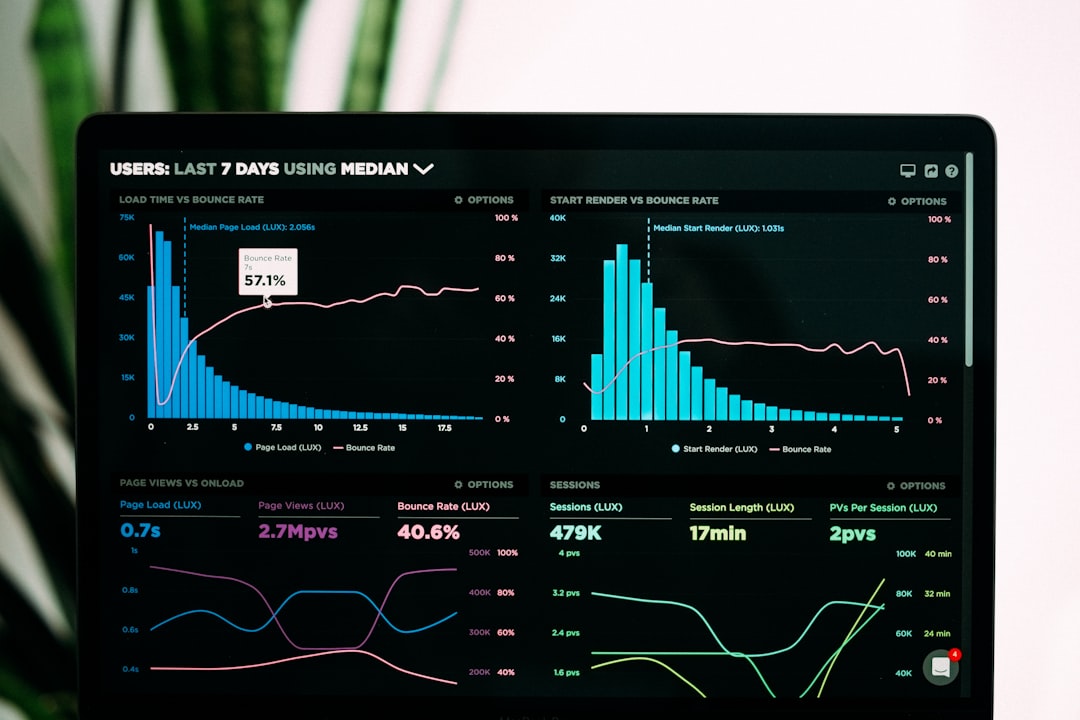
Create a simple weekly dashboard with:
- Traffic by source.
- Visitor-to-lead conversion rate.
- Lead-to-qualified-lead rate.
- Sales response time.
- Opportunity creation rate.
- Close rate and average deal value.

Review the numbers with both marketing and sales. Inbound optimization works best when both teams share responsibility for revenue, not when marketing celebrates lead volume while sales complains about lead quality.
Final Thoughts
Optimizing your inbound sales funnel is not about adding pressure to buyers. It is about making each step clearer, faster, and more relevant. When you align content with intent, reduce friction, prioritize the right leads, and follow up with context, conversions improve naturally.
A 35% lift is ambitious, but it is achievable through disciplined, compounding improvements. Start with the biggest leak, fix it, measure the result, and move to the next one. Over time, your funnel becomes less of a maze and more of a guided path from interest to trust to purchase.