In a digital marketplace where speed, visibility, and automation can determine whether a business scales smoothly or stalls under pressure, the FBATO platform stands out as a centralized environment for managing online operations with greater clarity. Whether used by sellers, operations teams, fulfillment managers, or growing ecommerce brands, FBATO is designed to bring data, tasks, workflows, and performance insights into one practical workspace.
TLDR: FBATO is a platform built to simplify and organize key ecommerce and operations workflows, especially for businesses that need better control over fulfillment, inventory, reporting, and team coordination. It acts as a central hub where users can monitor performance, streamline routine tasks, and make faster decisions based on real-time information. Its value lies in reducing operational friction while helping businesses scale in a more structured and informed way.
What Is the FBATO Platform?
The FBATO platform can be understood as a digital operations hub that helps businesses bring together multiple moving parts of their online selling ecosystem. Instead of relying on disconnected spreadsheets, separate dashboards, email threads, and manual checklists, FBATO gives users a more organized way to manage important activities from a single interface.
At its core, FBATO is about visibility and control. For businesses that sell products online, especially those dealing with inventory movement, marketplace performance, orders, fulfillment, and financial tracking, it can become difficult to see the full picture. One tool may show sales, another may show shipping updates, while another holds cost data or stock information. FBATO helps reduce this fragmentation by presenting essential information in a more unified and usable format.
This type of platform is especially helpful for teams that are growing beyond the early startup stage. When a business only handles a small number of orders, manual processes may be manageable. But as order volume increases, product lines expand, and more people become involved, the risk of errors increases. FBATO aims to create a smoother operating rhythm by helping users monitor what is happening, identify what needs attention, and act more efficiently.

Key Purpose of FBATO
The primary purpose of FBATO is to make business operations more predictable, transparent, and scalable. Instead of reacting to problems after they occur, users can use the platform to identify trends, spot bottlenecks, and plan ahead.
For example, if inventory levels are dropping faster than expected, a platform like FBATO can help draw attention to the issue before stockouts happen. If fulfillment performance starts declining, teams can review related data and address the cause. If profit margins are changing, users can compare revenue, costs, fees, and operational expenses to understand what is affecting performance.
In practical terms, FBATO helps answer questions such as:
- Which products are performing best?
- Where are delays or inefficiencies appearing?
- How healthy is current inventory?
- Are sales growing profitably or just increasing in volume?
- What tasks require immediate action?
- Which areas of the business need closer attention?
By bringing these questions into a single working environment, FBATO can help business owners and teams move from guesswork to more data-guided decision-making.
Main Features and Capabilities
While exact features may vary depending on how the platform is configured or used, FBATO generally focuses on several important operational areas. These capabilities are what make it useful as a central business management tool.
1. Centralized Dashboard
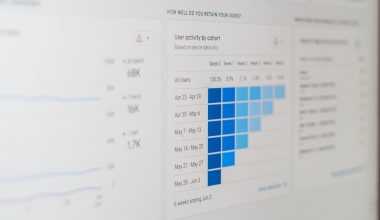
A strong dashboard is one of the most important parts of any operations platform. FBATO typically provides a dashboard where users can see key metrics at a glance. This might include sales performance, order activity, inventory status, fulfillment updates, alerts, and profitability indicators.
The advantage of a centralized dashboard is not just convenience. It also improves decision-making. When users can see important information without switching between many tools, they can react faster and make more confident choices.
2. Inventory Monitoring
Inventory is one of the most sensitive areas for online businesses. Too much stock ties up capital and storage space. Too little stock can lead to missed sales, frustrated customers, and ranking issues on marketplaces. FBATO helps users keep track of stock levels, restocking needs, and inventory movement.
Good inventory visibility can also help with planning. Businesses can review historical demand, seasonal patterns, and product velocity to decide when to reorder and how much stock to send into fulfillment channels. This is especially valuable for businesses that manage multiple SKUs or sell across more than one marketplace.
3. Order and Fulfillment Oversight
Fulfillment is where customer expectations become very real. A delay, incorrect shipment, or communication gap can affect customer satisfaction and future sales. FBATO can help teams monitor order flow and fulfillment activity so they know whether operations are running as expected.
This can include tracking order status, identifying exceptions, reviewing fulfillment speed, and ensuring that operational tasks are completed on time. For growing brands, this kind of visibility helps reduce chaos and improves accountability across the team.

4. Reporting and Analytics
Data becomes valuable when it is easy to understand and act upon. FBATO’s reporting and analytics functions help transform raw operational data into meaningful insights. Users may be able to review trends in revenue, costs, product performance, customer demand, inventory turnover, and operational efficiency.
A good analytics system does more than show numbers. It helps tell the story behind those numbers. For instance, a product may have high revenue but low profit because of increased fees, shipping costs, returns, or advertising expenses. FBATO can help surface these relationships so businesses do not confuse top-line growth with true profitability.
5. Task and Workflow Management
As businesses grow, communication becomes more complex. Tasks that were once handled by one person may now involve several departments, assistants, contractors, or logistics partners. FBATO can support workflow management by helping teams assign tasks, track progress, and standardize recurring processes.
This is particularly useful for activities such as inventory replenishment, supplier follow-ups, listing updates, order issue resolution, compliance checks, and reporting routines. A structured workflow reduces the chance that important tasks are forgotten or delayed.
Why Businesses Use FBATO
Businesses are often drawn to platforms like FBATO because they want to replace scattered processes with a more reliable system. The platform can offer value in several ways, especially for teams dealing with growth, complexity, and operational pressure.
- Better organization: Important information is easier to find and manage.
- Faster decisions: Real-time or regularly updated data helps users respond quickly.
- Reduced manual work: Repetitive tasks and data checks can be simplified.
- Improved accountability: Teams can see what needs to be done and who is responsible.
- Greater scalability: Processes become easier to repeat as order volume grows.
- More accurate planning: Inventory and performance insights support smarter forecasting.
Perhaps the biggest benefit is that FBATO helps businesses become less dependent on memory, improvisation, and disconnected records. Instead, users can build routines around a shared source of operational truth.
Who Can Benefit from FBATO?
FBATO can be useful for several types of users. Ecommerce sellers can use it to monitor product performance, stock movement, and fulfillment activity. Operations managers can use it to coordinate workflows and reduce bottlenecks. Finance-focused teams can use reporting tools to understand profitability and cost structures. Founders and executives can use the platform to gain a high-level view of business health without needing to inspect every small detail manually.
It is also valuable for teams that work remotely or across different time zones. When everyone has access to the same operational information, communication becomes more efficient. Instead of asking for constant updates, team members can check the platform, review task status, and act based on shared data.
The User Experience
A platform’s usefulness depends heavily on how easy it is to use. FBATO is most effective when it presents complex information in a clear and practical way. Users should not need to be data scientists to understand whether inventory is running low, whether sales are improving, or whether fulfillment is falling behind.
The ideal FBATO experience is one where users can log in and quickly understand three things: what is happening, what matters most, and what action should be taken next. This means the interface should prioritize useful summaries, alerts, charts, filters, and workflow views that support quick navigation.
For new users, the platform may require some onboarding, especially if it connects with existing systems, product catalogs, marketplaces, or internal processes. However, once the setup is complete, the long-term goal is to save time and create more consistent operations.

FBATO and Business Growth
One of the most interesting aspects of FBATO is how it supports growth. Scaling a business is not only about selling more products. It is about building systems that can handle more activity without creating confusion or lowering quality. A company may double its sales and still struggle if inventory, fulfillment, reporting, and team communication do not keep up.
FBATO helps growth by encouraging structure. It gives businesses a clearer way to monitor operations, spot risks, and repeat successful processes. This kind of structure is especially important when expanding into new markets, adding products, hiring team members, or working with additional suppliers.
In a competitive environment, the companies that grow sustainably are often those that understand their numbers and processes best. FBATO supports that understanding by making data easier to access and workflows easier to manage.
Potential Challenges to Consider
Like any platform, FBATO is not a magic solution on its own. Its success depends on how well a business implements it and how consistently the team uses it. If data is incomplete, workflows are poorly defined, or users do not adopt the system, the results may be limited.
Businesses should also consider the time needed for setup, training, and process alignment. A platform can organize information, but the organization still needs clear internal rules. For example, teams should define who reviews alerts, who handles stock planning, how often reports are checked, and what actions should follow certain performance signals.
The best results come when FBATO is treated not just as software, but as part of the company’s operating system.
Final Thoughts
The FBATO platform offers a practical way for ecommerce-driven businesses and operations teams to manage complexity with more confidence. By combining dashboard visibility, inventory oversight, fulfillment tracking, reporting, and workflow management, it helps users turn scattered information into organized action.
Its greatest strength is its ability to support better decisions. When a business can clearly see what is selling, what is running low, what is delayed, and what is affecting profitability, it becomes easier to plan and scale. In that sense, FBATO is more than a management tool; it is a framework for building a more disciplined, transparent, and growth-ready operation.