Picking a sales compensation management platform can feel like choosing a spaceship. Lots of buttons. Lots of promises. Lots of people saying, “This one is the best.” But the job is simple. You need a tool that helps you pay sales teams correctly, quickly, and without drama.
TLDR: A good sales compensation management platform should make commission plans easy to build, track, approve, and explain. It should connect with your CRM, payroll, finance tools, and data sources. It should also give reps clear dashboards, so they know what they earned and why. Choose a platform that saves time, reduces errors, and grows with your team.
Start with the main problem
Before you shop for software, ask one simple question.
What hurts right now?
Maybe your team lives in spreadsheets. Maybe commission disputes happen every month. Maybe finance spends days checking formulas. Maybe sales reps do not trust the numbers.
That is not fun. That is a spreadsheet jungle.
A sales compensation platform should be your machete. It should cut through messy data, confusing rules, and manual work.
So start with your pain points. Make a short list. Keep it honest.
- Are calculations too slow?
- Are commission plans too complex?
- Are reps asking too many payout questions?
- Are leaders lacking visibility?
- Are errors costing money?
- Are approvals taking forever?
When you know the pain, you can find the right cure.

Look for easy plan design
Comp plans can get weird fast.
One rep has a quota. Another has a ramp period. A manager earns an override. A team gets a bonus. Someone has a split deal. Someone else has a clawback.
Suddenly, your “simple plan” looks like a bowl of spaghetti.
Your platform should make plan design easy. Not just for technical people. Not just for the one spreadsheet wizard named Dave.
Look for features like:
- No code plan building, so admins can create rules without engineering help.
- Plan templates, so you do not start from zero every time.
- Version control, so you know which plan was active and when.
- Plan modeling, so you can test changes before they go live.
- Support for complex rules, like accelerators, tiers, bonuses, caps, and draws.
The best tool should make hard plans feel simple. Like turning a tangled necklace into a straight line.
Make sure calculations are accurate
This is the big one.
If the math is wrong, nothing else matters. Pretty dashboards cannot save bad numbers.
Sales compensation is emotional. People count on commission checks. They use them for rent, savings, trips, and tiny sports cars in their dreams.
So your platform needs strong calculation power.
Check if it can handle:
- Multiple currencies
- Different pay periods
- Quota changes
- Territory changes
- Deal splits
- Retroactive adjustments
- Clawbacks
- Bonuses and spiffs
- Manager rollups
Also ask about testing. Can you compare old results to new results? Can you audit every calculation? Can you see the formula behind each payout?
You want a platform that shows its work. Like a good math student.
Choose strong integrations
A sales compensation management platform does not live alone. It needs friends.
It should connect with your key systems. Especially your CRM. That is where deals, accounts, owners, and opportunities often live.
It should also connect with payroll, accounting, HR, and data tools.
Look for integrations with:
- CRM systems, for deals and sales activity.
- HR systems, for employee details and roles.
- Payroll systems, for payment processing.
- ERP or finance systems, for revenue and billing data.
- Data warehouses, for advanced reporting.
Good integrations reduce manual uploads. They also reduce mistakes. Nobody wants to copy and paste numbers at midnight while eating cold pizza.
Ask how the integrations work. Are they native? Are they API based? How often does data sync? Can you schedule syncs? Can you fix failed imports quickly?
Data should flow like a lazy river. Not like a clogged sink.
Give reps clear dashboards
Sales reps should not need a detective hat to understand their pay.
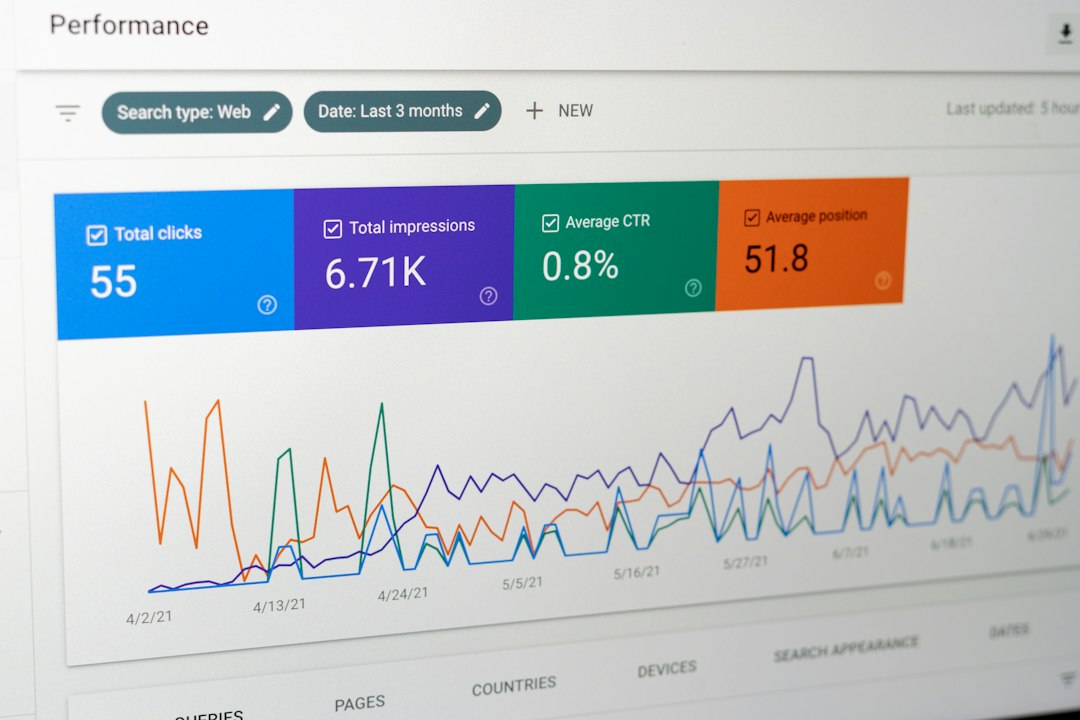
A great platform gives them clear dashboards. They should see where they stand. They should know what they earned. They should understand what they need to do next.
Good dashboards include:
- Current commission earned
- Quota progress
- Deal level payout details
- Estimated future earnings
- Bonus progress
- Plan documents
- Payment history
This helps reps trust the system. It also saves managers time. Fewer “Can you explain my commission?” messages. More selling. More high fives.
Look for what if modeling
What if you raise quotas?
What if you add an accelerator?
What if you launch a new product bonus?
What if a top rep has a monster quarter and breaks the model?
These are not scary questions. They are planning questions.
Your platform should let leaders model different scenarios. This helps you see the cost before you make a change. It also helps avoid surprise payouts that make finance spill coffee.
Good modeling tools show:
- Expected payout costs
- Rep earning potential
- Budget impact
- Quota attainment changes
- Risk areas
Compensation should motivate behavior. But it should not blow up your budget. Modeling helps you balance both.
Check approval workflows
Compensation is not a solo sport.
Sales ops, finance, HR, managers, and executives may all need to review things. That means workflows matter.
A solid platform should support approvals for:
- New compensation plans
- Plan changes
- Commission statements
- Adjustments
- Exceptions
- Disputes
Look for automatic notifications. Look for approval history. Look for role based permissions.
You should know who approved what. And when. And why.
This is very helpful when someone says, “Wait, who signed off on that?”
The platform should answer, “Barbara did. Last Tuesday. At 3:42.”
Do not ignore dispute management
Disputes happen.
A rep says a deal is missing. A manager says the credit split is wrong. Finance says the revenue was recognized later. Someone says, “My dog ate the commission report.”
Okay, maybe not that last one.
A good platform should make disputes easy to submit and track. Reps should not need to send five emails and three chat messages.
Look for:
- A clear dispute submission process
- Comments and attachments
- Status tracking
- Owner assignment
- Resolution history
- Audit trails
This keeps everyone calm. It also creates a record. That matters when questions come back later.
Demand auditability
Auditability sounds boring. It is not.
It is your safety net.
You need to know how every payout was calculated. You need to know what data was used. You need to know who changed a rule. You need to know when it happened.
Strong audit features include:
- Calculation logs
- Change history
- User activity records
- Plan version history
- Data import logs
- Approval records
This helps with compliance. It helps with trust. It also helps when someone asks a very specific question six months later.
Without audit trails, you are guessing. With audit trails, you are Sherlock Holmes with a calculator.
Review reporting and analytics
Leaders need more than payout totals.
They need insight.
A strong platform should help answer big questions.
- Who is above quota?
- Who is below quota?
- Which plans are working?
- Which incentives drive revenue?
- Are payouts aligned with company goals?
- Is compensation cost too high?
Reports should be easy to build. Charts should be clear. Data should be exportable. Filters should be flexible.
Bonus points if the platform has real time analytics. That means leaders can act fast. They do not have to wait until the quarter is over and the confetti is already on the floor.
Make sure security is serious
Compensation data is sensitive.
People do not want their earnings floating around like a party balloon.
Your platform should have strong security controls. Ask about:
- Role based access
- Single sign on
- Multi factor authentication
- Data encryption
- Compliance certifications
- Permission controls
- Secure data transfers
Only the right people should see the right data. A sales rep should see their own earnings. A manager should see their team. Finance should see what they need. Nobody should see everything by accident.
Security should be quiet and strong. Like a very polite guard dog.

Think about scalability
Your company may be small today. It may not be small tomorrow.
Good problem, right?
But growth can break weak systems. More reps. More plans. More regions. More currencies. More rules. More data. More “quick questions.”
Your platform should grow with you.
Ask if it can support:
- More users
- More plans
- Global teams
- Higher data volume
- Complex hierarchies
- New business units
Also ask how performance changes at scale. Slow software is painful. Slow commission software is extra painful.
Check the user experience
If the platform is hard to use, people will avoid it.
Then they go back to spreadsheets. Then chaos returns wearing sunglasses.
The user experience should be clean. Simple. Friendly. Fast.
Look at the admin view. Look at the rep view. Look at the manager view.
Ask yourself:
- Can users find what they need?
- Are dashboards clear?
- Are menus simple?
- Can admins make changes without panic?
- Does the platform explain errors?
- Is the mobile experience useful?
Great software should feel like a helpful guide. Not a locked door with a riddle on it.
Ask about implementation
Buying the platform is only step one.
Then you have to launch it.
Implementation matters a lot. You need clean data, clear rules, good testing, and training.
Ask each vendor:
- How long does implementation take?
- Who manages the project?
- What work must your team do?
- How are plans configured?
- How is data validated?
- What training is included?
- What happens after launch?
Be careful with vague answers. “It depends” is fine. But it should be followed by real details.
A good vendor will explain the process clearly. They will also help you avoid common traps.
Look at support
Support is not exciting during the sales demo.
It becomes very exciting when payroll is due in two days.
Ask about support options. Is there live chat? Email? Phone? A customer success manager? An online help center?
Also ask about response times. And escalation paths. And weekend support, if you need it.
Good support feels like a parachute. You hope you do not need it. But you really want it packed correctly.
Understand pricing
Pricing can vary a lot.
Some platforms charge by user. Some charge by payee. Some charge by features. Some charge by implementation scope.
Do not only compare the sticker price. Compare the total value.
Think about:
- Time saved
- Errors reduced
- Disputes avoided
- Better rep motivation
- Faster month end close
- Less manual work
A cheap tool that creates more work is not cheap. It is a raccoon in a trench coat.
Ask for clear pricing. Ask about extra fees. Ask what happens as your team grows.
Run a smart demo
Do not let the demo be a magic show.
Bring real examples. Use your own plan rules. Use your own tricky cases.
Ask the vendor to show how the platform handles:
- A split deal
- A quota change
- A retroactive adjustment
- A disputed payout
- A new bonus plan
- A manager override
This reveals the truth fast.
Great platforms handle messy reality. Not just perfect demo data with perfect names and perfect charts.
Final thoughts
The best sales compensation management platform is not just a calculator. It is a trust builder. It helps reps understand their pay. It helps leaders guide behavior. It helps finance stay sane. It helps sales ops avoid spreadsheet caves.
Look for easy plan design, accurate calculations, strong integrations, clear dashboards, helpful workflows, audit trails, security, analytics, and great support.
Keep it simple. Ask hard questions. Test real scenarios.
When you choose well, commissions become less mysterious. Reps feel informed. Managers feel prepared. Finance breathes again.
And Dave, the spreadsheet wizard, can finally take a vacation.