Successful content marketing depends on more than creativity. It requires structured planning, consistent execution, cross-team collaboration, and detailed performance tracking. Without the right tools, even the most ambitious strategies can become disorganized and ineffective. That is why modern marketers rely on dedicated platforms that combine editorial calendars, workflow management, and performance analytics into one streamlined system.
TLDR: Content marketing planning tools help teams organize publishing schedules, manage workflows, and measure results in one centralized platform. The best tools combine visual calendars, collaboration features, and detailed performance metrics to improve efficiency and ROI. Platforms such as CoSchedule, Monday.com, ClickUp, Trello, and HubSpot stand out for their flexibility and analytical power. Choosing the right tool depends on team size, budget, and reporting needs.
Below are five powerful content marketing planning tools that offer integrated calendar views, workflow systems, and performance tracking capabilities.
1. CoSchedule
CoSchedule is built specifically for marketing teams. It provides a unified marketing calendar designed to plan, execute, and measure campaigns across multiple channels.
Key Features
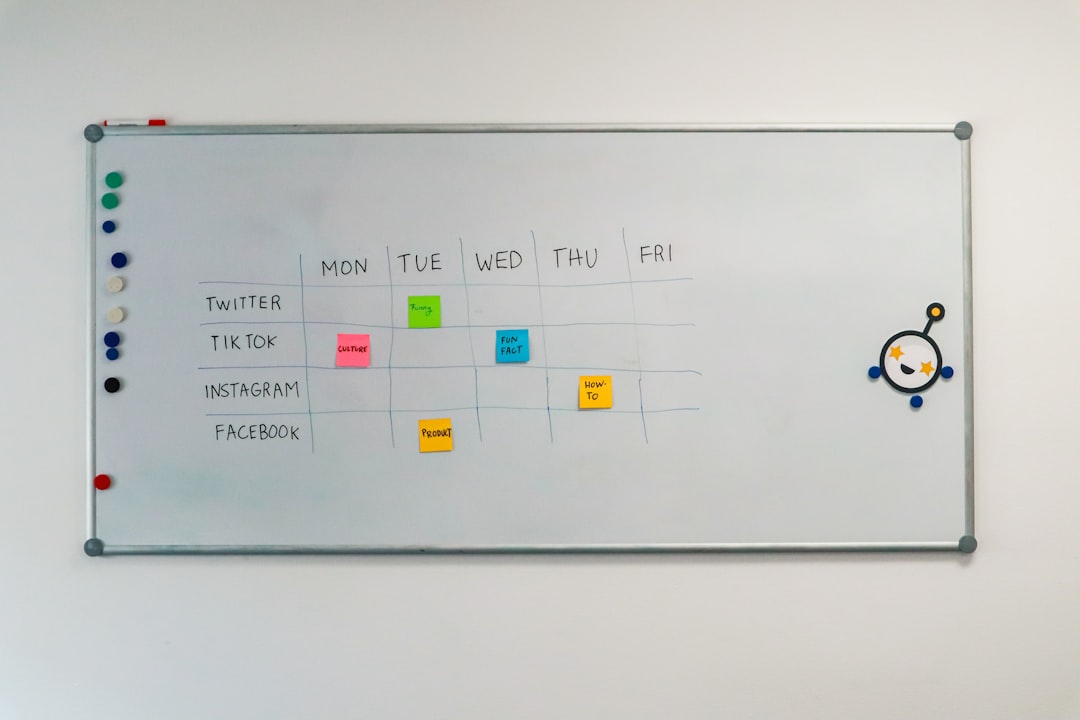
- Centralized Marketing Calendar: Plan blog posts, social media campaigns, email marketing, and events in one view.
- Task Workflow Automation: Automate task assignments and project stages.
- Social Media Scheduling: Publish directly to multiple platforms.
- Performance Tracking: Measure engagement, traffic, and campaign success.
CoSchedule stands out because it simplifies cross-channel coordination. Marketing managers can detect gaps in scheduling, avoid content overlap, and monitor deadlines visually.
Best for: Marketing-focused teams that need structured planning and multi-channel visibility.
2. Monday.com
Although not designed exclusively for marketers, Monday.com is highly customizable and widely used for content planning. It blends project management with calendar views and performance dashboards.
Key Features
- Custom Content Pipelines: Build workflow stages like ideation, drafting, editing, approval, and publishing.
- Multiple Views: Calendar, Kanban, timeline, and Gantt chart options.
- Automation Rules: Trigger status changes and notifications automatically.
- Dashboard Reporting: Aggregate campaign performance metrics.

Monday.com is particularly strong in collaboration. Teams can assign owners, set deadlines, attach files, and comment directly within tasks, reducing email clutter.
Best for: Medium to large teams needing flexibility and customizable reporting.
3. ClickUp
ClickUp positions itself as an all-in-one productivity platform. Content teams benefit from its adaptable views and detailed task management features.
Key Features
- Content Calendar Templates: Pre-built frameworks for blogs, SEO campaigns, and editorial schedules.
- Hierarchical Task Structure: Organize work by spaces, folders, lists, and tasks.
- Time Tracking: Monitor productivity and task duration.
- Detailed Reporting: Track completion rates and bottlenecks.
ClickUp’s biggest advantage lies in its depth. Teams can manage everything from keyword research to post-publication analysis inside one system.
Best for: Teams that want granular workflow control and scalability.
4. Trello
Trello is known for its simplicity and visual Kanban boards. While it may not offer built-in advanced analytics like other tools, its power-ups and integrations make it viable for content marketing planning.
Key Features
- Visual Content Boards: Move cards across stages such as “Ideas,” “In Progress,” and “Published.”
- Calendar Power-Up: Visualize publishing schedules.
- Checklist & Due Dates: Track smaller tasks inside each card.
- Integration Options: Connect with analytics tools like Google Analytics.
Trello’s strength is ease of use. Smaller teams or freelancers often prefer it because setup is straightforward and onboarding is minimal.
Best for: Small teams, startups, and individual marketers.
5. HubSpot Marketing Hub
HubSpot Marketing Hub combines CRM, content strategy, publishing tools, and analytics in one ecosystem. It is more than a planner—it is a complete inbound marketing suite.
Key Features
- Editorial Calendar: Plan and schedule blog and landing page content.
- SEO Recommendations: Built-in optimization guidance.
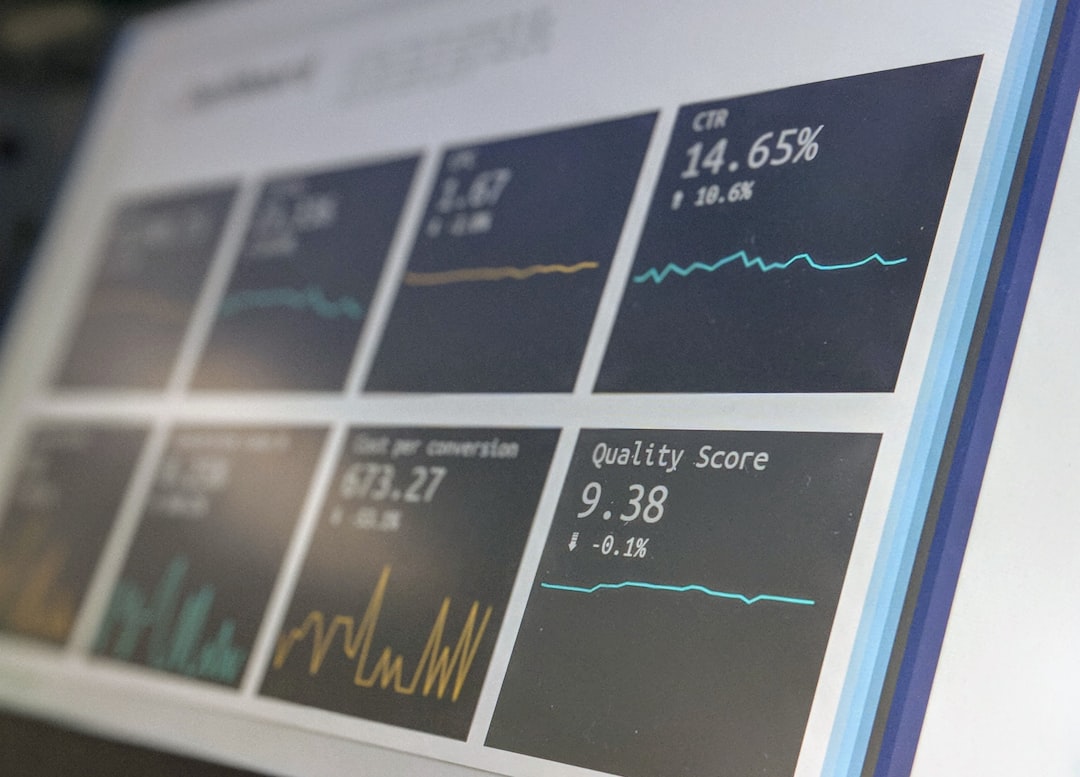
- Performance Analytics: Track traffic, conversions, leads, and revenue.
- CRM Integration: Attribute content performance to real sales outcomes.
HubSpot excels at connecting content efforts to measurable business results. Marketers can identify which content pieces generate qualified leads and revenue.
Best for: Businesses focused on measurable ROI and inbound marketing strategies.
Comparison Chart
| Tool | Calendar View | Workflow Management | Performance Metrics | Best For |
|---|---|---|---|---|
| CoSchedule | Advanced marketing calendar | Automated task workflows | Campaign & social metrics | Marketing teams |
| Monday.com | Customizable calendar | Highly flexible pipelines | Dashboard reporting | Mid to large teams |
| ClickUp | Multiple calendar formats | Detailed hierarchical tasks | Productivity & completion tracking | Scalable teams |
| Trello | Calendar power-up | Simple Kanban boards | Via integrations | Small teams |
| HubSpot | Integrated editorial calendar | Content publication workflows | Deep marketing & revenue analytics | ROI-focused businesses |
How to Choose the Right Tool
Selecting the right content marketing planning tool depends on several factors:
- Team Size: Larger teams may require automation and structured permissions.
- Reporting Needs: Some businesses need advanced attribution reporting.
- Budget Constraints: Enterprise-level solutions cost significantly more.
- Integration Requirements: CRM and analytics compatibility is critical.
- Ease of Use: Complex tools may reduce adoption if they are difficult to learn.
For example, a startup with a single content strategist may find Trello sufficient. Conversely, a B2B company managing multi-channel campaigns tied to revenue goals may benefit more from HubSpot or CoSchedule.
Why Calendar, Workflow, and Metrics Must Work Together
Many businesses fail because they separate planning from performance analysis. A standalone calendar does not show whether content drives engagement. Likewise, analytics without organized scheduling creates chaos.
An integrated system ensures:
- Editorial consistency
- Clear accountability
- Streamlined approvals
- Measurable campaign outcomes
- Continuous optimization
When teams see both the publishing schedule and results in one platform, they can make informed decisions quickly. For instance, underperforming blog categories can be adjusted in the upcoming calendar cycle without waiting for quarterly reviews.
Final Thoughts
Modern content marketing demands visibility, structure, and accountability. The right planning tool does more than track deadlines—it aligns creative production with measurable business outcomes. Whether a team chooses CoSchedule for marketing-centric planning, Monday.com for customization, ClickUp for granular control, Trello for simplicity, or HubSpot for end-to-end analytics, the goal remains the same: create consistent, data-driven content that delivers results.
Teams that integrate calendar scheduling, workflow management, and performance tracking into a single ecosystem gain a competitive advantage. They reduce bottlenecks, increase collaboration, and make strategic content decisions backed by data rather than guesswork.
Frequently Asked Questions (FAQ)
1. What is a content marketing planning tool?
A content marketing planning tool is software that helps teams organize editorial calendars, manage content creation workflows, and track performance metrics in one centralized platform.
2. Why is a content calendar important?
A content calendar ensures consistent publishing, prevents missed deadlines, and aligns content production with business goals and seasonal campaigns.
3. Can small teams benefit from these tools?
Yes. Even small teams gain clarity and efficiency from structured planning. Tools like Trello and ClickUp are particularly accessible for small businesses and freelancers.
4. Which tool offers the best analytics?
HubSpot provides the most comprehensive analytics, including lead and revenue attribution. CoSchedule and Monday.com also offer strong performance dashboards.
5. Are these tools suitable for remote teams?
Absolutely. Most modern planning platforms are cloud-based, enabling real-time collaboration, task notifications, and seamless communication for distributed teams.
6. How often should content performance be reviewed?
Most marketing teams review metrics monthly, with deeper quarterly evaluations to adjust overall strategy and identify long-term trends.
By combining structured planning with data-driven insights, organizations can elevate their content marketing strategy from scattered efforts to measurable success.