Use Syft to create SBOMs, Grype to scan them, Dependency-Track to monitor risk over time, and FOSSA when license control and executive reporting matter. SBOM work is no longer optional housekeeping; 96% of audited codebases contained open source components in Synopsys’ 2024 report [source: Synopsys]. That means most teams already have third-party risk. They just may not see it yet.
TLDR: For a lean security stack, pair Syft with Grype and send the output into Dependency-Track. For example, a team with 40 microservices could generate SBOMs in CI, block critical CVEs, then track trends across releases. FOSSA is better when legal review, policy checks, and board-friendly reports are part of the job. No single tool wins every category.
Quick comparison
| Tool | Best for | Weak spot |
|---|---|---|
| Syft | Fast SBOM generation for containers, filesystems, and repositories | Does not manage risk by itself |
| Grype | Vulnerability detection from SBOMs or images | Needs tuning to reduce noisy findings |
| Dependency-Track | Central SBOM analysis and long-term risk tracking | Setup and maintenance take real effort |
| FOSSA | License compliance, policy checks, and enterprise reporting | Less attractive for teams wanting only open source tooling |
1. Syft: best for building the inventory
Syft, from Anchore, is one of the simplest ways to create an SBOM. It scans container images, directories, archives, and source repositories. It can output common formats such as SPDX and CycloneDX, which makes it easy to send results into other systems.
Syft is strong because it does one job well. It finds packages, names versions, and produces a machine-readable bill of materials. That is the base layer for almost every serious supply chain security process.
The catch is that Syft is not a full risk platform. It will not give you a polished dashboard, ownership model, or workflow for triage. You still need another tool to scan, prioritize, and track issues.
- Use it when: you need reliable SBOM generation in CI/CD.
- Avoid it when: you expect one tool to handle reporting, triage, and policy.
2. Grype: best companion scanner for Syft
Grype is also from Anchore and works naturally with Syft. It scans container images, filesystems, and SBOM files for known vulnerabilities. For many engineering teams, this pairing is the quickest way to add SBOM-based vulnerability scanning to a pipeline.
Grype is practical. It can fail builds based on severity. It also fits well in scripts and GitHub Actions. That makes it useful for teams that want security checks close to developers, not buried in a quarterly spreadsheet.
Honestly, it feels like vulnerability output can get noisy fast. Some findings need context. Is the vulnerable library reachable? Is it used in production? Has the base image already been patched upstream? Expect to spend time tuning rules and exceptions.
- Use it when: you want fast vulnerability checks from images or SBOMs.
- Avoid it when: you need full governance, approvals, and audit workflows.
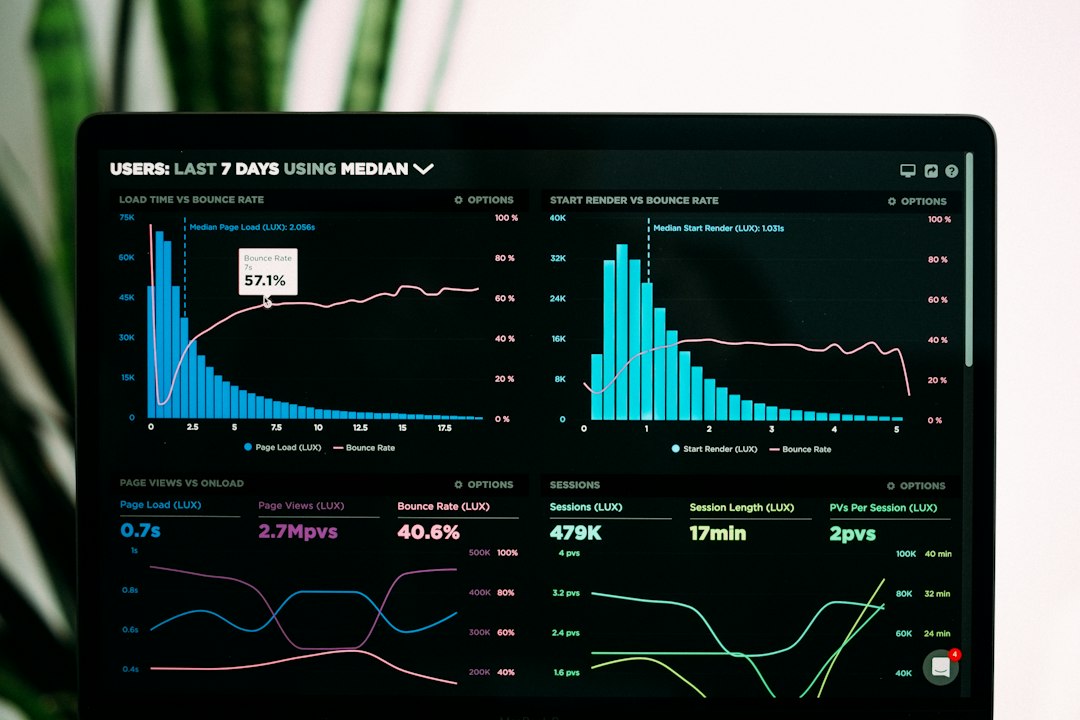
3. Dependency-Track: best for central SBOM risk management
Dependency-Track is an OWASP project built for component analysis. It ingests SBOMs, tracks projects, detects known vulnerabilities, and helps teams monitor risk over time [source: OWASP].
This is where SBOMs stop being files and start becoming a security program. You can group applications, assign risk, watch vulnerability trends, and connect alerts to process. That matters when you have dozens or hundreds of services.
The downside is operational work. You need to host it, configure feeds, manage users, and connect it to CI/CD. A small team may find that annoying. A larger team may find it worth the effort because it creates one place to see component risk.
- Use it when: you need a central view across many applications.
- Avoid it when: you only need quick local scans before release.
4. FOSSA: best for compliance-heavy teams
FOSSA covers open source governance with a strong focus on license compliance, vulnerability management, policy rules, and reporting. It is often a better fit for companies that must prove control to legal, procurement, customers, or auditors.
FOSSA is polished. The workflows are built for review. Legal teams can understand the outputs without reading raw SBOM files. Security teams can still track vulnerable packages and enforce rules.
The tradeoff is cost and flexibility. If your team prefers open source tools, FOSSA may feel heavy. If you need formal approvals and clean reports, though, it can save hours of back-and-forth before a release.
- Use it when: license risk and audit evidence matter as much as CVEs.
- Avoid it when: you want a lightweight, self-managed scanner only.

Which tool should you choose?
Pick based on maturity, not hype.
- Small engineering team: start with Syft plus Grype. It is simple, cheap, and easy to automate.
- Growing security team: add Dependency-Track to store SBOMs and watch risk over time.
- Regulated company: consider FOSSA for policy control, legal checks, and cleaner audit trails.
- Best balanced setup: generate SBOMs with Syft, scan with Grype, manage history in Dependency-Track, and use FOSSA where compliance needs are strict.
The practical answer: SBOM analysis is not one feature. It is a chain. Inventory comes first. Vulnerability detection comes next. Policy, ownership, and proof come after that. Syft, Grype, Dependency-Track, and FOSSA each cover a different part of that chain, and the best choice depends on which gap is hurting you most right now.