Buying can feel like magic. A person sees a product, touches it, smiles, and says, “I’ll take it.” But behind that simple moment is a sales channel. A sales channel is the path a product takes from a business to a customer. Today, we will focus on physical sales channels. These are real-world places and people, not websites or apps.
TLDR: Two common examples of physical sales channels are retail stores and trade shows or pop-up shops. These channels let customers see, touch, try, and buy products in person. They are great for building trust, giving live demos, and creating memorable shopping moments.
What Is a Physical Sales Channel?
A physical sales channel is a way to sell products in the real world. It happens face to face. It often includes a store, booth, stand, showroom, market, or salesperson.
Think of it like this. If a customer can walk up to your product, pick it up, smell it, test it, or talk to a human about it, that is probably a physical sales channel.
Online channels include things like websites, apps, and social media shops. Physical channels live outside the screen.
They are old-school. But they are still powerful. Very powerful.
The Two Best Examples of Physical Sales Channels
The two simple examples are:
- Retail stores
- Trade shows and pop-up shops
Both help businesses sell in person. Both give customers a real experience. Both can make a brand feel more human.
Example 1: Retail Stores
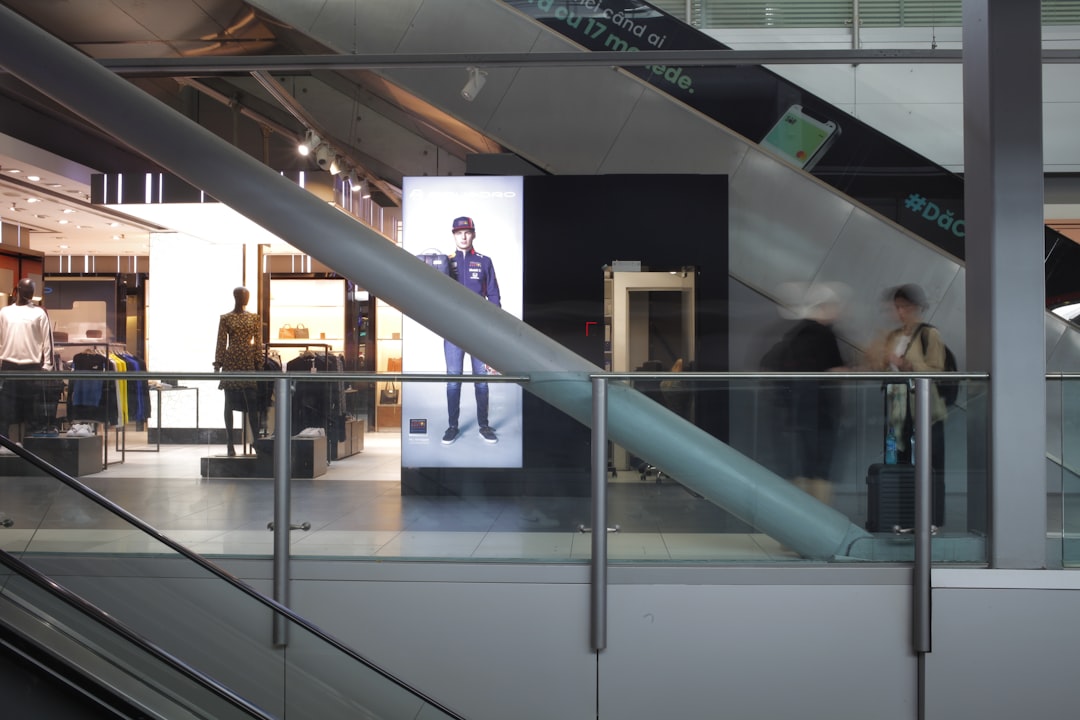
A retail store is the classic physical sales channel. It is a shop where customers visit and buy products. Simple.
It could be a small bakery. It could be a clothing boutique. It could be a huge supermarket. It could be a tech store with shiny gadgets and staff in matching shirts.
Retail stores work because people like to explore. They want to touch fabric. They want to smell candles. They want to try shoes. They want to ask, “Does this come in blue?”
That personal shopping experience is hard to copy online.
Why Retail Stores Work
- People can see the product. No guessing from tiny photos.
- People can touch it. This matters for clothing, furniture, food, beauty, and more.
- Customers get help fast. A staff member can answer questions right away.
- Buyers can take items home now. No waiting for delivery.
- The brand feels real. A good store creates trust.
Imagine you sell handmade soap. Online, people can read that your soap smells like lemon and mint. Nice. But in a store, they can actually smell it. Boom. Sale made.
Retail stores are also great for impulse buys. A customer may enter for one thing and leave with five. We have all been there. No shame.
Types of Retail Stores
Retail stores come in many forms. Here are a few common ones:
- Independent stores: Small local shops owned by one person or a small team.
- Chain stores: Stores with many locations under the same brand.
- Department stores: Big stores that sell many product types.
- Specialty stores: Shops that focus on one category, like shoes, pets, or coffee.
- Supermarkets: Stores that sell food, drinks, and household items.
For many businesses, retail stores are the first physical channel they think about. And for good reason. They are easy to understand. Customers already know how they work.
Example 2: Trade Shows and Pop-Up Shops
The second example is trade shows and pop-up shops. These are temporary physical sales channels. They do not always last forever. But they can create big energy fast.
A trade show is an event where businesses set up booths. They show products to buyers, partners, and customers. Think bright banners, product samples, handshakes, and lots of free pens.
A pop-up shop is a short-term store. It may last one day, one weekend, or a few months. It can appear in a mall, market, festival, hotel lobby, or even a shipping container. Fun, right?

Why Trade Shows Work
Trade shows are great for businesses that want attention. Fast.
At a trade show, people are already there to discover products. That is a big deal. You are not interrupting them. They came looking.
Trade shows are useful for:
- Launching new products
- Meeting wholesale buyers
- Finding business partners
- Building brand awareness
- Giving live demos
Let’s say your company sells a new blender. Online, you can show a video. At a trade show, you can make smoothies in front of people. They hear the motor. They see the frozen fruit disappear. They taste the smoothie. That is sales magic.
Why Pop-Up Shops Work
Pop-up shops are exciting because they feel special. They have a “get it before it is gone” feeling. That creates urgency.
Customers enjoy pop-ups because they are fresh and surprising. A normal hallway in a mall can suddenly become a tiny sneaker shop. A weekend market can turn into a mini beauty store. A music festival can become a place to buy limited-edition merch.
Pop-ups are useful for:
- Testing a new city before opening a full store.
- Promoting seasonal products like holiday gifts.
- Creating buzz around a launch.
- Meeting customers face to face.
- Selling limited items in a fun way.
A pop-up shop can also help online brands step into the real world. Customers may know the brand from Instagram or TikTok. Then they visit the pop-up and meet it in person. That can turn fans into loyal buyers.
How These Two Channels Are Different
Retail stores and trade shows or pop-ups are both physical. But they are not the same.
- Retail stores are usually steady and long-term.
- Trade shows are event-based and often business-focused.
- Pop-up shops are temporary and often used for excitement.
A retail store is like a home base. A trade show is like a business party. A pop-up shop is like a surprise visit from your coolest friend.

Benefits of Physical Sales Channels
Physical channels still matter in a digital world. Why? Because humans are not robots. We like real things. We like eye contact. We like samples.
Here are the big benefits:
- Trust: Customers feel safer when they can see the seller.
- Experience: Shopping becomes more than a transaction.
- Instant answers: Staff can explain things right away.
- Product testing: Customers can try before they buy.
- Immediate purchase: No shipping delay.
For some products, physical selling is a huge advantage. Think mattresses, perfume, jewelry, cars, coffee, clothes, and furniture. These are products people often want to test in real life.
Challenges of Physical Sales Channels
Of course, physical sales channels are not perfect. They can cost more than online channels.
Common costs include:
- Rent
- Staff wages
- Displays
- Storage
- Event fees
- Travel
- Insurance
There is also a location problem. If your store is in the wrong place, fewer people visit. If your trade show booth is hidden in a corner, traffic may be low. If your pop-up happens on a rainy day, sales may suffer.
Still, many businesses accept these risks because the rewards can be big.
Which Physical Channel Should You Choose?
Choose based on your product, budget, and goal.
- Choose a retail store if you want a lasting local presence.
- Choose a trade show if you want industry exposure and buyer connections.
- Choose a pop-up shop if you want buzz, testing, and quick sales.
If you are new, a pop-up may be easier than opening a store. If you want wholesale deals, a trade show may be smarter. If you already have strong demand, a retail store may be the next step.
Final Answer
So, which two channels are examples of physical sales channels? The best simple answer is retail stores and trade shows or pop-up shops.
Retail stores give customers a reliable place to shop. Trade shows and pop-ups create live, exciting moments. Both help people connect with products in the real world.
In short, physical sales channels are not dead. Not even close. They are alive, friendly, and waiting by the checkout counter.