Startups building modern applications often find themselves balancing performance, scalability, and tight budgets. Database observability becomes critical as soon as traffic grows, queries get complex, and customers expect flawless uptime. While PlanetScale Insights offers powerful database monitoring tailored to its ecosystem, not every team uses PlanetScale—or wants to be locked into a single platform. As a result, many startups explore alternative monitoring solutions that provide flexibility, deeper visibility, or better pricing models.
TLDR: Startups looking beyond PlanetScale Insights for database monitoring have a wide range of options. Popular alternatives include Datadog, New Relic, Grafana Cloud, Percona Monitoring and Management, and open source tools like Prometheus. The best choice depends on your stack, scalability requirements, budget, and desired level of control. A thoughtful comparison ensures you get powerful observability without overspending or overcomplicating your system.
Why Startups Explore Alternatives
PlanetScale Insights works exceptionally well within the PlanetScale ecosystem, especially for teams using Vitess-powered MySQL. However, startups may consider alternatives for several reasons:
- Multi-database environments: Teams using PostgreSQL, MongoDB, or hybrid architectures need cross-platform support.
- Cost considerations: Usage-based pricing can become expensive as traffic increases.
- Advanced analytics needs: Some teams require custom metrics, distributed tracing, or infrastructure-level observability.
- Vendor neutrality: Avoiding dependence on a single database provider is often part of long-term scaling strategies.
For early-stage startups especially, observability tools must be powerful yet easy to adopt. They should accelerate growth—not slow it down with complexity.
Key Features Startups Look For
Before diving into alternatives, it’s important to understand what modern startups expect from a database monitoring solution:
- Query performance insights
- Real-time alerts and anomaly detection
- Custom dashboards
- Integration with cloud providers
- Scalability across microservices
- Transparent pricing models
With those criteria in mind, let’s explore the leading alternatives.
1. Datadog
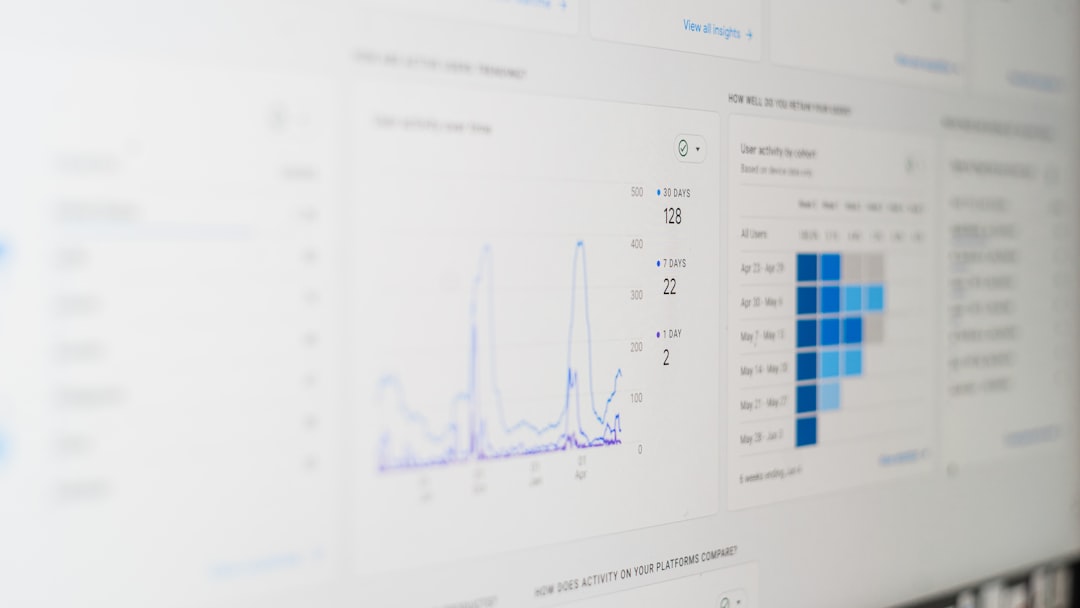
Datadog is often one of the first platforms startups evaluate. It goes beyond basic database monitoring and provides full-stack observability, including logs, metrics, and traces.
Why startups choose it:
- Unified visibility across applications and infrastructure
- Strong support for MySQL, PostgreSQL, MongoDB, and more
- Advanced alerting and anomaly detection using machine learning
Trade-offs:
- Can become expensive at scale
- Feature-rich interface may feel overwhelming initially
Datadog is particularly attractive for startups expecting rapid scaling and needing visibility across distributed systems.
2. New Relic
New Relic provides deep application performance monitoring (APM) alongside database observability. For startups building SaaS products, this integration is highly valuable.
Highlights:
- End-to-end transaction tracing
- Custom telemetry through OpenTelemetry support
- Flexible pricing tiers, including generous free options
New Relic excels at showing how database performance impacts user experience. This application-centric view makes debugging faster and more intuitive for product teams.
3. Grafana Cloud and Prometheus
For startups preferring open source flexibility, Grafana paired with Prometheus is a powerful option. This combination provides customizable dashboards and robust metric collection.
Image not found in postmetaWhy technical teams love it:
- Highly customizable visualizations
- Open source foundation reduces vendor lock-in
- Strong Kubernetes and cloud-native integration
Considerations:
- Requires more setup and operational expertise
- Maintenance overhead can grow without a managed service
Startups with strong DevOps capabilities often choose Grafana and Prometheus to retain maximum control over their observability stack.
4. Percona Monitoring and Management (PMM)
Percona PMM is a specialized, open source platform focused on database performance monitoring. It supports MySQL, PostgreSQL, and MongoDB.
Benefits:
- Deep query analytics
- Optimized for database administrators
- No licensing costs for self-hosted deployments
This solution appeals to startups that prioritize database-level detail over broader full-stack monitoring.
5. Elastic Observability
Elastic’s observability tools extend from its well-known Elasticsearch stack. Startups already using Elastic for search often integrate its monitoring capabilities naturally.
Key strengths:
- Powerful log indexing and analysis
- Flexible visualization options
- Scalable cloud offerings
Elastic allows granular data analysis, making it suitable for teams that prioritize detailed diagnostics and log correlation.
Comparison Chart
| Tool | Best For | Ease of Setup | Scalability | Pricing Model |
|---|---|---|---|---|
| Datadog | Full-stack observability | Easy | High | Usage-based |
| New Relic | APM + DB insights | Easy | High | Tiered + usage-based |
| Grafana + Prometheus | Custom open source stacks | Moderate | Very High | Free or subscription (managed) |
| Percona PMM | Deep DB optimization | Moderate | High | Free / enterprise support |
| Elastic Observability | Log-heavy diagnostics | Moderate | High | Subscription-based |
How to Choose the Right Alternative
Selecting a monitoring solution is less about feature parity and more about alignment with your startup’s growth stage and technical maturity.
Early-stage startups often benefit from managed services with quick setup and intuitive dashboards. Tools like Datadog or New Relic minimize operational burden.
Growth-stage startups handling increasing traffic and microservices complexity may prefer observability platforms offering distributed tracing and infrastructure correlation.
Developer-heavy teams with DevOps expertise might lean toward open source solutions such as Grafana and Prometheus, valuing flexibility over simplicity.
Budget constraints also play a major role. Some teams start with free tiers and transition to paid plans as data volume increases.
The Role of AI in Modern Database Monitoring
One emerging differentiator among monitoring platforms is AI-driven anomaly detection. Instead of relying solely on static thresholds, modern systems can learn usage patterns and flag irregular behavior automatically.

This capability helps startups:
- Detect slow queries earlier
- Prevent downtime
- Reduce manual alert configuration
- Improve response times to incidents
As data complexity increases, AI-assisted observability will likely become standard rather than optional.
A Strategic Perspective
It’s important to remember that database monitoring is not just a technical requirement—it’s a strategic asset. Fast query performance translates directly into better user experience, improved retention, and higher revenue potential.
Startups that invest early in visibility tools gain an operational advantage. They can identify bottlenecks before they affect customers and make informed infrastructure decisions as they scale.
Choosing an alternative to PlanetScale Insights doesn’t mean sacrificing quality. On the contrary, it opens the door to finding a tool that matches your architecture and future roadmap more precisely.
Final Thoughts
Database monitoring has evolved far beyond simple uptime checks. Today’s startups require real-time query insights, intelligent alerts, and cross-system visibility to compete effectively. While PlanetScale Insights serves its ecosystem well, alternatives like Datadog, New Relic, Grafana, Percona PMM, and Elastic Observability offer powerful capabilities for teams operating in diverse stacks.
The right decision depends on your technical expertise, growth ambitions, and financial model. By carefully evaluating integration capabilities, scalability, and pricing transparency, startups can implement an observability stack that supports innovation rather than hinders it.
In the fast-moving startup world, insight is everything—and the right monitoring solution ensures you’re never operating in the dark.