LTL transport companies are the right fit when a shipment is too large for parcel but too small to justify a full truckload. Providers such as XPO, Old Dominion Freight Line, Saia, Estes, FedEx Freight, R+L Carriers, and TForce Freight move palletized freight through terminal networks across the U.S. In 2023, Old Dominion reported annual revenue of about $5.9 billion, showing how large and mature this segment has become [source: Old Dominion].
TLDR: LTL shipping works best for palletized freight, usually from about 150 pounds to 15,000 pounds, when the shipper does not need a whole trailer. For example, a business shipping 6 pallets weighing 4,800 pounds from Ohio to Texas may pay far less with LTL than with a dedicated truck. XPO is often chosen for broad network reach and technology, while Old Dominion is known for service quality and low cargo claims. The best carrier is not always the cheapest one; accessorial fees, transit reliability, and damage rates can change the real cost fast.
What LTL freight really means
LTL stands for less than truckload. Several shippers share space in one trailer. Freight moves from a local terminal to a regional or national hub, then on to the final delivery terminal.
This model cuts cost because the shipper pays only for used space. The tradeoff is handling. A pallet may be loaded, unloaded, sorted, and reloaded more than once. That is why packaging matters. Weak cartons, loose wrap, and poor pallet choice create claims.
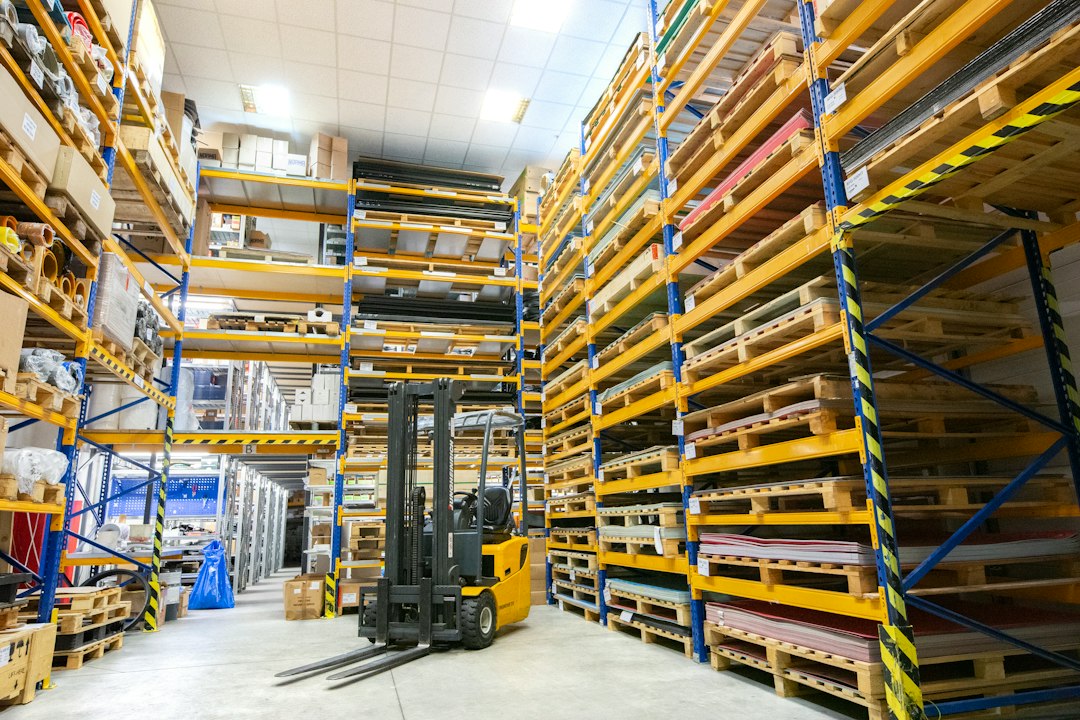
XPO: strong network and tech focus
XPO is one of the largest LTL carriers in North America. It serves industrial firms, retailers, manufacturers, and distributors. The company has invested heavily in terminals, linehaul planning, pricing systems, and digital shipment tools.
XPO is a serious option for shippers that need broad coverage and frequent pickup windows. It can also suit companies that move freight into many regions instead of one fixed lane. Its online tools are useful for quoting, dispatching, tracking, and claims.
The irritation comes when shipment data does not match reality. Honestly, it feels like one wrong freight class or a missing liftgate note can turn a clean quote into a billing dispute two weeks later. That problem is not unique to XPO. It is common across LTL.
Old Dominion: service quality over bargain pricing
Old Dominion Freight Line, often called ODFL, has built its name around reliability. Many shippers see it as a premium LTL carrier. It is rarely the cheapest carrier on a weak lane, but it often earns its rate through better handling, steady transit times, and strong terminal discipline.
Old Dominion is a good fit for freight that is time-sensitive, high value, fragile, or tied to strict customer delivery rules. This matters in sectors such as machinery, healthcare supplies, electronics, and retail replenishment.
If a missed delivery causes a production delay, the lowest rate can become expensive. A $120 savings on a shipment does not help much if the customer charges a $500 late fee.
Other LTL companies worth comparing
Shippers should not stop at one or two names. The best carrier depends on the lane, shipment size, delivery needs, and freight type.
- FedEx Freight: Large national network, strong for standard and priority LTL service.
- Estes Express Lines: Privately held carrier with wide U.S. coverage and solid regional reach.
- Saia: Known for growing coverage and strong service in many industrial lanes.
- R+L Carriers: Offers LTL, expedited, trade show, and special service options.
- TForce Freight: A common option for business shipping with North American coverage.
- Regional carriers: Often cheaper and faster inside a tight territory, such as the Midwest, Southeast, or West Coast.

How rates are built
LTL pricing can feel messy because it is not based on weight alone. Carriers look at density, freight class, distance, fuel, accessorial services, and negotiated discounts.
Common cost drivers include:
- Freight class: Lower class often means lower cost. Higher class usually means bulky, fragile, or harder-to-handle freight.
- Weight and dimensions: A light but bulky pallet may price worse than a dense pallet.
- Pickup and delivery type: Commercial dock service is cheaper than residential, school, farm, or construction site delivery.
- Accessorials: Liftgate, inside delivery, limited access, appointment delivery, and reweigh fees add up.
- Claims history: Poor packaging can raise risk and cost.
Expect to waste time on bills if pallet dimensions are guessed instead of measured. A pallet listed as 48 inches high but measured at 61 inches can trigger a reclass or added charge.
Choosing between XPO, Old Dominion, and others
A smart carrier choice starts with lane data. Shippers should compare actual performance, not only quoted rates. A carrier may be excellent from Atlanta to Dallas and weak from Phoenix to rural Oregon.
Use these checks before awarding freight:
- Review on-time delivery by lane. Do not rely on a national average.
- Ask about claims ratios. Damage risk matters for high-value freight.
- Check terminal coverage. Nearby terminals can improve pickup and delivery speed.
- Compare accessorial rules. This is where cheap quotes often become average bills.
- Test customer service. One hard shipment will show how the carrier really works.
Technology helps here. Many shippers use rating and shipment tools to compare carriers, tender loads, and track freight. A review of transportation management programs can help teams understand how software supports carrier selection and shipment visibility.
Where LTL works best
LTL is best for routine palletized freight that does not fill a trailer. It works well for distributors, manufacturers, wholesalers, e-commerce suppliers, and repair parts networks.
It is less ideal for loose cargo, freight with poor packaging, extremely urgent shipments, or goods that cannot handle multiple touches. In those cases, volume LTL, partial truckload, expedited freight, or full truckload may be safer.
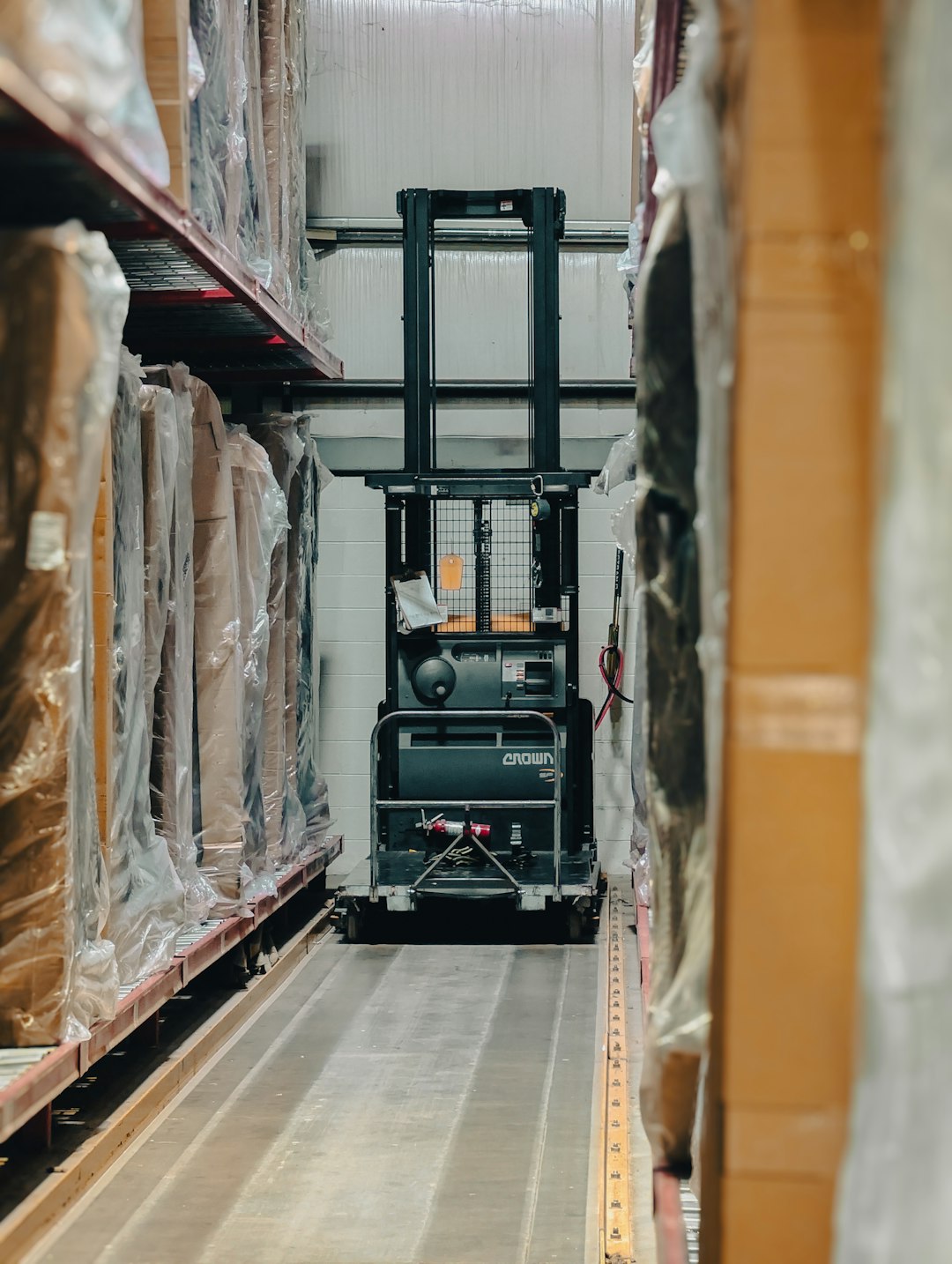
XPO and Old Dominion are both strong LTL transport companies, but they serve slightly different buying styles. XPO is a strong pick for scale, network reach, and tech-enabled shipping. Old Dominion is a strong pick when service quality and freight care carry more weight than the lowest rate. Serious shippers compare both, then test them on real lanes before making a long-term decision.