Innovation in 2026 feels like a giant toy box. New tools are faster, smarter, and easier to use. Some can talk. Some can build. Some can heal. And some can help us protect the planet.
TLDR: The biggest technology trends in 2026 are making life feel more like science fiction, but in a useful way. AI agents, smart robots, quantum tools, clean energy tech, and spatial computing are changing how people work and live. These technologies are not just fancy gadgets. They help businesses move faster, doctors treat patients better, and cities become cleaner and safer.
1. AI Agents That Do More Than Chat
Artificial intelligence is no longer just a chatbot in a box. In 2026, AI agents are becoming digital helpers that can plan, act, and finish tasks.
Think of them as tiny office superheroes. You ask one to plan a trip. It checks flights. It compares hotels. It builds a schedule. It may even book everything, if you approve.
Businesses use AI agents to answer customer questions. They sort emails. They write reports. They test software. They watch supply chains. They spot problems before humans notice them.
The cool part is not just speed. It is teamwork. One AI agent can talk to another AI agent. One may handle data. Another may make charts. Another may write a summary. Together, they feel like a mini digital team.
Simple example: A bakery owner asks an AI agent, “What should I bake more of next week?” The agent checks weather, sales, holidays, and local events. Then it says, “Make more strawberry cupcakes. There is a school fair on Friday.” That is sweet data. Literally.

2. Robots That Work Beside People
Robots are getting better hands, better eyes, and better brains. They are also getting more polite. That matters.
In 2026, many robots are designed to work with people, not just behind fences in factories. These are often called collaborative robots, or cobots.
They can move boxes. They can pick fruit. They can clean floors. They can help nurses carry supplies. Some can even make coffee. Yes, the future may come with foam art.
The big change is flexibility. Older robots did one job again and again. New robots can learn new tasks faster. They use cameras, sensors, and AI to understand their space.
- Warehouses use robots to move products.
- Hospitals use robots to deliver medicine.
- Farms use robots to check crops.
- Restaurants use robots to help prep food.
This does not mean every job disappears. It means boring and risky tasks can move to machines. People can focus on judgment, care, design, and problem solving.
3. Quantum Computing Gets More Practical
Quantum computing sounds like magic with a math hat. It uses strange rules from quantum physics to solve some problems in new ways.
Traditional computers use bits. A bit is either 0 or 1. Quantum computers use qubits. A qubit can act in more complex ways. This lets quantum machines explore many possibilities at once.
In 2026, quantum computers are still not replacing laptops. You will not play video games on one at home. But they are becoming more useful for special jobs.
Researchers use quantum tools to explore better batteries. Drug companies use them to study molecules. Banks test them for risk models. Logistics firms explore them for routing problems.
Why is this exciting? Because some problems are too huge for normal computers. Quantum systems may help crack those giant puzzles.
Imagine trying to find the best delivery route for thousands of trucks. Or trying to design a new material that is light, strong, and cheap. Quantum computing may help search the possible answers faster.
It is still early. But the door is opening. And behind that door is a very nerdy dragon guarding a treasure chest.
4. Spatial Computing and Mixed Reality
Screens are starting to move off desks and into the air around us. That is where spatial computing comes in.
Spatial computing blends the physical world with digital objects. You may wear smart glasses. You may use a headset. You may see a 3D model floating in your room.
This is not only for games. It is great for training, design, shopping, and repair work.
A mechanic can see repair steps over a real engine. A surgeon can study a 3D scan before an operation. An architect can walk through a building before it is built. A student can explore the solar system without leaving class.
Fun version: You can place a digital sofa in your living room before buying it. If it looks bad, no heavy lifting. No angry friends. No trapped sofa in a doorway.

5. Personalized Medicine Powered by Data
Medicine is becoming more personal. That is a big deal.
In the past, many treatments were one size fits all. But people are not the same. Our genes are different. Our habits are different. Our bodies react in different ways.
In 2026, doctors and researchers use AI, genetic data, wearable devices, and advanced lab tools to create more personalized care.
- Wearables track heart rate, sleep, oxygen, and movement.
- AI helps spot patterns in medical scans.
- Genetic testing helps doctors choose better treatments.
- Smart apps remind patients to take medicine.
This can help catch illness earlier. It can also reduce trial and error. A doctor may choose a medicine that is more likely to work for one specific patient.
Hospitals also use predictive systems. These tools can warn staff when a patient may get worse. That gives people more time to act.
Of course, privacy matters. Medical data is sensitive. It must be protected like a dragon egg. Strong rules, encryption, and clear consent are key.
6. Clean Energy Tech Gets Smarter
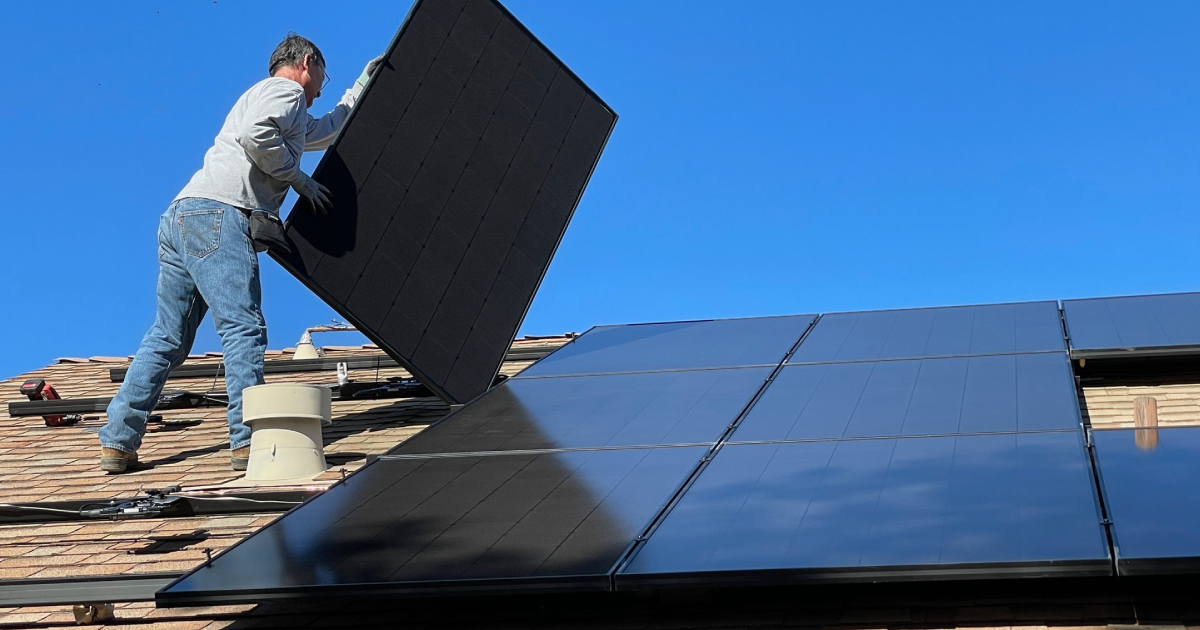
Clean energy is no longer only about solar panels on roofs. It is now a full technology ecosystem.
In 2026, innovation is happening in batteries, smart grids, green hydrogen, carbon capture, and energy software.
Smart grids help balance energy supply and demand. They can shift power where it is needed. They can also handle energy from many sources, like wind, solar, and home batteries.
Better batteries help store clean power. This matters because the sun does not always shine. The wind does not always blow. Batteries help keep the lights on anyway.
Green hydrogen is also gaining attention. It can help power heavy industry, shipping, and other areas that are hard to electrify.
Then there is carbon capture. This technology aims to trap carbon dioxide before it enters the atmosphere, or even pull it from the air. It is not a magic fix. But it may be one useful tool.
The goal is simple. Use cleaner power. Waste less energy. Make the planet less sweaty.
7. Edge Computing Makes Devices Faster
The cloud is great. But sometimes the cloud is far away. Data has to travel there and back. That can take time.
Edge computing solves this by processing data closer to where it is created. The “edge” may be a factory machine, a car, a security camera, or a phone.
This is helpful when speed matters. A self driving car cannot wait too long for a server to answer. A factory sensor needs to react fast if a machine is overheating.
Edge computing also helps with privacy. Some data can stay local. It does not always need to travel across the internet.
Here are simple examples:
- A camera spots a safety issue inside a warehouse.
- A farm sensor waters crops only when needed.
- A smart traffic light changes timing to reduce jams.
- A factory machine predicts a breakdown before it happens.
Edge computing is like giving devices a local brain. Not a giant brain. More like a smart raccoon. Fast, alert, and very practical.
8. Digital Twins That Copy the Real World
A digital twin is a virtual copy of a real thing. It can be a machine. A building. A bridge. A city. Even a human organ.
The digital twin uses real data from sensors and systems. It updates as the real thing changes. This lets people test ideas safely.
For example, a city can use a digital twin to test traffic changes. A factory can test a new layout. An airline can track engine health. A hospital can study patient flow.
This saves time and money. It also reduces risk. You can break the digital version first. That is much cheaper than breaking the real one.
Digital twins are powerful because they make invisible systems easier to understand. You can see patterns. You can run simulations. You can ask “what if?” without causing chaos.
9. Advanced Chips Power Everything
All this technology needs muscle. That muscle comes from advanced chips.
In 2026, chips are built for special tasks. Some are made for AI. Some are made for phones. Some are made for cars. Some are made for tiny devices that run on very little power.
AI chips are especially important. They help train and run large models. They also make AI faster and cheaper to use.
There is also growth in chips for edge devices. These chips can run smart features without needing constant cloud access. That helps robots, cameras, drones, cars, and wearables.
Chips are not flashy to most people. They do not dance. They do not sing. But they are the tiny engines inside modern life.
10. Cybersecurity Becomes Smarter
More technology means more doors for attackers. So cybersecurity must get stronger.
In 2026, security tools use AI to detect strange behavior. They watch networks. They spot fake messages. They help block attacks faster.
One major challenge is deepfakes. Fake audio and video can trick people. A criminal might copy a boss’s voice. They may ask an employee to send money. That is scary.
To fight this, companies use identity checks, content verification, and better training. People also learn to slow down. If a message feels odd, check it.
Simple rule: Trust, but verify. Especially if someone asks for money, passwords, or secret data.
What This Means for People and Companies
These leading-edge technologies are not separate islands. They connect.
AI agents use advanced chips. Robots use edge computing. Clean energy uses smart grids. Digital twins use sensors. Healthcare uses AI and data. Spatial computing helps people see it all.
For companies, the lesson is clear. Do not chase every shiny object. Pick the tools that solve real problems.
Ask simple questions:
- Can this save time?
- Can this reduce waste?
- Can this improve safety?
- Can this make customers happier?
- Can this help people do better work?
If the answer is yes, the technology may be worth exploring.
The Fun Future Is Also a Responsible Future
Technology is exciting. But it needs care. AI should be fair. Data should be private. Robots should be safe. Energy tools should be sustainable. Medical systems should protect patients.
The best innovation is not just clever. It is useful. It is human. It makes life better without making life weirder than needed.
In 2026, leading-edge technology is driving innovation in many ways. It is helping us build smarter cities, cleaner energy, better healthcare, and faster workplaces. The future is not one big invention. It is many small and large inventions working together.
And yes, some of it still feels like magic. But it is magic with sensors, chips, data, and a very busy AI assistant.