Building an application SEO strategy from scratch requires more than adding keywords to a listing and waiting for downloads. A strong strategy connects app store optimization, mobile web visibility, technical performance, content, reviews, and conversion tracking into one measurable growth plan.
TLDR: An application SEO strategy should begin with audience research, keyword mapping, optimized app store listings, and a supporting website or landing page. For example, a finance app targeting “budget planner” may improve installs by 25% after refining its title, screenshots, reviews, and landing page content. The best results usually come from testing metadata, improving retention signals, and tracking installs, rankings, and conversion rates every month.
Start With Clear Business and User Goals
Before any keyword research begins, the application team should define what success means. For one app, success may be more free installs; for another, it may be paid subscriptions, trial activations, bookings, or in-app purchases. These goals shape every SEO decision that follows.
A new application strategy should answer several questions:
- Who is the ideal user? The strategy should identify demographics, pain points, behaviors, and search intent.
- What problem does the app solve? Clear positioning helps search engines and users understand the app’s value.
- Which platforms matter most? The plan may focus on iOS, Android, a web app, or all three.
- Which actions matter? Installs, signups, subscriptions, and retention should be tracked separately.
Without these foundations, an app may attract traffic that does not convert. A well-defined goal helps the team prioritize rankings that lead to real users, not vanity metrics.
Research Keywords Across App Stores and Search Engines
Application SEO is different from standard website SEO because users search in multiple environments. A person may search Google for “best meditation app for sleep,” while another may search the App Store for “sleep sounds.” Both searches matter, but they require different optimization approaches.
The team should collect keywords from several sources, including app store autocomplete, competitor listings, customer reviews, search engine results pages, forums, and analytics from existing traffic. Keywords should then be grouped by intent:
- Problem based: “track expenses,” “learn Spanish,” “reduce anxiety.”
- Feature based: “calorie counter with barcode scanner,” “AI note taker.”
- Audience based: “fitness app for beginners,” “budget app for students.”
- Brand and competitor based: searches comparing similar tools or known apps.
Strong keyword research helps the team understand not just what users type, but why they are searching. This intent should guide app titles, subtitles, descriptions, web pages, blog content, and advertising messages.
Optimize the App Store Listing
The app store listing is often the most important conversion page in the funnel. It should be written for both algorithms and humans. The title and subtitle should include the most relevant keyword while still sounding natural and trustworthy.
For example, instead of a vague title like “Flow”, a productivity app might use “Flow: Daily Planner and Tasks”. This gives users and app stores a clearer understanding of the product.
The description should explain benefits before features. Users want to know what the application helps them achieve. A strong structure may include:
- A short opening statement that communicates the main benefit.
- Key features written as scannable bullet points.
- Use cases that match real search intent.
- Trust signals, such as awards, ratings, privacy notes, or user counts.
- A clear call to action, such as “Download and start planning today.”
Screenshots and preview videos also influence conversion. They should show the app solving a real problem, not merely display generic interface screens. Captions on screenshots can highlight benefits like “Plan a full week in 5 minutes” or “Track expenses automatically.”
Build a Supporting Website or Landing Page
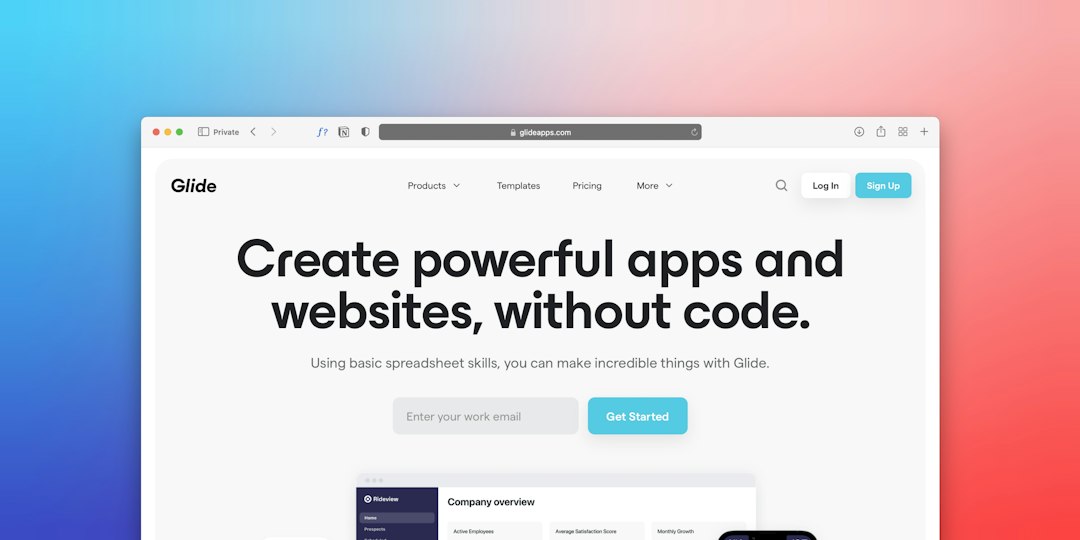
An application should not rely only on app stores for discovery. A dedicated website or landing page gives the app more opportunities to rank in search engines. It also allows the team to control messaging, publish educational content, collect email leads, and support deep links to the app.
The main landing page should include the app’s core keyword in the page title, heading, meta description, and body content. However, the writing should remain natural. Search engines reward pages that clearly answer user needs, not pages that repeat keywords excessively.
Useful website pages may include:
- Feature pages for major app functions.
- Use case pages for specific audiences or industries.
- Comparison pages for users evaluating alternatives.
- Blog articles that answer questions related to the app’s category.
- Help center pages that solve technical and onboarding issues.
For instance, a language learning app could create articles such as “How to Practice Spanish for 15 Minutes a Day” or “Best Way to Remember Vocabulary.” These pages attract users earlier in the decision journey and can send qualified traffic to the app listing.
Improve Technical SEO and Mobile Performance
Even the best content may struggle if the technical foundation is weak. The website supporting the app should load quickly, work well on mobile devices, use clean URLs, and include structured data where appropriate. Since most app discovery happens on mobile, performance is especially important.
A technical checklist should include:
- Fast loading speeds and compressed images.
- Mobile friendly layouts and readable text.
- Indexable pages with proper canonical tags.
- Schema markup for software applications where relevant.
- Deep links or deferred deep links that send users to the correct in-app destination.
- Clear tracking for install clicks, signups, and purchase events.
Technical SEO also supports trust. If users land on a slow, confusing, or broken page, they are less likely to install the app. Search engines may also reduce visibility for pages that provide poor user experience.
Create Content That Supports the App Funnel
Content should not be created only to chase traffic. It should support the user journey from awareness to installation and retention. A person who searches “how to organize receipts” may not be ready to download an expense app immediately, but a useful article can introduce the app as a practical solution.
The team should build content around three funnel stages:
- Awareness: Educational posts that explain problems and solutions.
- Consideration: Comparison guides, feature explainers, and use case pages.
- Conversion: Landing pages, testimonials, pricing pages, and app store links.
Each content piece should include internal links to relevant app pages and a clear next step. Over time, this creates topical authority, which can help the app’s website rank for broader keyword clusters.
Use Reviews, Ratings, and Social Proof
Reviews influence both rankings and conversions. App stores often consider rating quality, review volume, and freshness as signals. Users also rely on reviews to decide whether an app is worth installing.
The app team should create a respectful review collection process. Prompts should appear after positive moments, such as completing a task, finishing a workout, or saving money with the app. Asking too early can lead to weak ratings because users have not yet experienced value.
Negative reviews should be monitored for product insights. If many users complain about onboarding, pricing, or bugs, those issues can affect SEO indirectly by reducing retention and conversion rates. A better user experience often leads to stronger rankings over time.
Measure, Test, and Refine Monthly
An application SEO strategy is never finished. Rankings, competitors, search behavior, and app store algorithms change frequently. The team should review performance every month and run controlled tests where possible.
Important metrics include:
- Keyword rankings in app stores and search engines.
- App listing impressions and product page views.
- Install conversion rate.
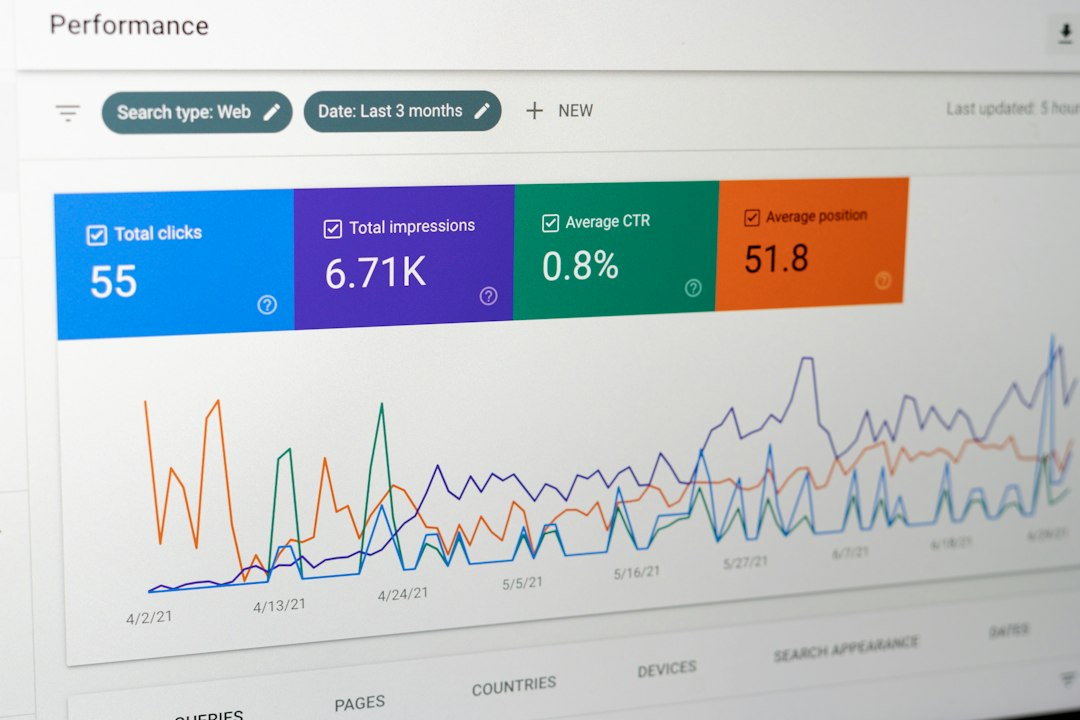
- Website organic traffic and click through rate.
- Retention, activation, and subscription rates.
- Review volume and average rating.
For example, if an app listing receives 20,000 monthly impressions but only a 4% install conversion rate, improving screenshots, the first description lines, or ratings may have a larger impact than chasing new keywords. Strategy should follow evidence rather than assumptions.

Build Authority With Partnerships and Mentions
Backlinks and brand mentions still matter for web visibility. An app can earn authority through guest articles, podcast appearances, product directories, industry reports, influencer reviews, and partnerships with complementary tools. These mentions help search engines understand that the app is credible and relevant.
However, quality matters more than volume. A single mention from a respected industry publication may be more valuable than dozens of low quality links. The team should focus on sources that real users trust.
Conclusion
Building an application SEO strategy from scratch requires a structured approach: define goals, research intent, optimize app store listings, build a strong website, improve technical performance, publish useful content, gather reviews, and measure results consistently. When these parts work together, the app gains more than visibility; it gains qualified users who are more likely to install, engage, and stay.
FAQ
-
What is application SEO?
Application SEO is the process of improving an app’s visibility in app stores and search engines through keyword optimization, technical improvements, content, reviews, and conversion testing. -
How is application SEO different from app store optimization?
App store optimization focuses mainly on app store listings, while application SEO includes app stores, web search, landing pages, content, backlinks, and technical SEO. -
How long does it take to see results?
Many teams see early improvements within 4 to 8 weeks after listing and content updates, but stronger organic growth usually takes 3 to 6 months of consistent work. -
Which keywords should an app target first?
The team should start with keywords that match the app’s core value, have clear user intent, and are realistic to rank for based on competition. -
Do reviews affect app SEO?
Yes. Ratings, review quality, and review freshness can influence app store performance and user trust, which can improve install conversion rates.