In ecommerce, customers rarely browse in a perfectly straight line. They search, filter, compare, click related products, jump between categories, and expect every path to make sense. Business consultant ecommerce category mapping is the strategic process of organizing products into clear, logical, revenue-focused categories so customers can find what they need quickly while the business improves search visibility, merchandising, and conversions.
TLDR: Ecommerce category mapping is the process of structuring products into intuitive categories and subcategories that match how customers shop. A business consultant helps align this structure with sales goals, SEO, inventory logic, and user experience. Done well, category mapping reduces confusion, improves product discovery, and supports better conversion rates. It is not just an organizational task; it is a commercial strategy.
What Is Ecommerce Category Mapping?
Ecommerce category mapping is the practice of assigning products to the right categories, subcategories, collections, filters, and sometimes marketplace taxonomies. In simple terms, it answers questions like: Where should this product live? How will customers look for it? Which category will help it sell best?
For example, a stainless steel water bottle might belong under “Drinkware,” “Reusable Bottles,” “Outdoor Gear,” “Fitness Accessories,” or “Eco Friendly Products.” The correct choice depends on the store’s audience, product range, search behavior, and revenue priorities. A business consultant looks beyond basic labeling and considers customer intent, buying journeys, analytics, and long-term scalability.

Why Category Mapping Matters for Ecommerce Growth
Poor category mapping creates friction. If customers cannot find what they are looking for, they leave. If products appear in strange or inconsistent places, shoppers lose trust. If search engines cannot understand the structure of the site, organic visibility suffers.
Strong category mapping delivers several business advantages:
- Better navigation: Customers can move through the store naturally and confidently.
- Higher conversion potential: Relevant categories reduce decision fatigue and help users reach products faster.
- Improved SEO: Well-structured category pages can rank for valuable search terms.
- Smarter merchandising: Products can be grouped by season, trend, use case, margin, or audience.
- Cleaner reporting: Businesses can analyze performance by product group more accurately.
- Easier scaling: A clear taxonomy makes it simpler to add new products without creating chaos.
In other words, category mapping is not only about tidiness. It directly affects how people shop, how search engines evaluate the store, and how the business makes decisions.
The Role of a Business Consultant in Category Mapping
A business consultant brings an outside, strategic perspective. Store owners and internal teams often know their products very well, but that familiarity can become a blind spot. They may organize items based on supplier catalogs, internal departments, or personal assumptions instead of customer behavior.
A consultant examines the ecommerce structure from multiple angles:
- Customer language: What words do shoppers actually use when searching?
- Buying intent: Are customers browsing by product type, problem, occasion, brand, price, or lifestyle?
- Competitive structure: How do successful competitors arrange similar products?
- Analytics data: Which categories drive traffic, conversions, exits, or internal searches?
- Operational needs: How do inventory, fulfillment, and product management fit into the structure?
- Scalability: Will the category system still work when the catalog doubles?
The consultant’s goal is to create a map that balances customer convenience, business profitability, and technical practicality.
How the Category Mapping Process Works
Although every ecommerce business is different, category mapping usually follows a structured process.
1. Product Catalog Audit
The first step is to review the entire product catalog. This includes product names, descriptions, attributes, tags, SKUs, brands, prices, margins, variants, and current category placements. The consultant identifies duplicates, unclear labels, missing attributes, and products that appear in unsuitable categories.
2. Customer and Search Intent Research
Next comes research into how customers think. This may involve keyword research, internal site search data, live chat transcripts, customer reviews, competitor analysis, and sales team feedback. The aim is to understand the mental model of the buyer. A customer shopping for “home office chair” may not think in terms of “commercial seating,” even if that is how the business internally classifies the product.
3. Taxonomy Design
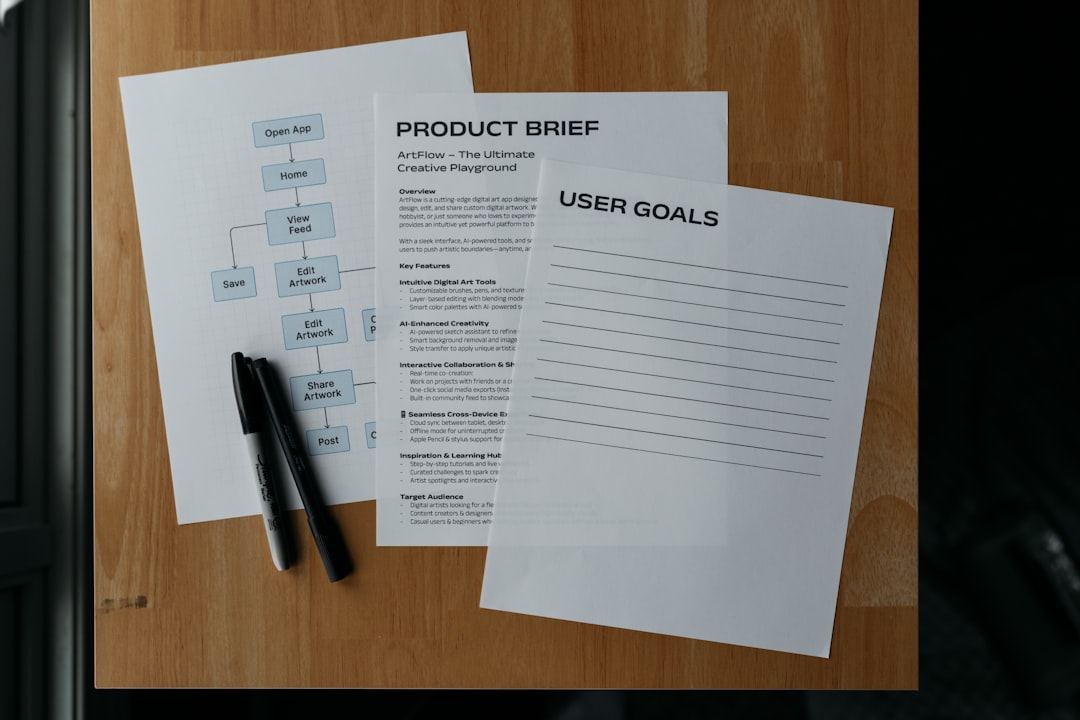
A taxonomy is the hierarchy of categories and subcategories. A consultant designs this structure so it is clear, consistent, and easy to expand. For instance, a fashion store might use:
- Women
- Men
- Kids
- Shoes
- Accessories
- Sale
Each top-level category can then break down into subcategories such as “Dresses,” “Jackets,” “Sneakers,” or “Bags.” The key is to avoid both extremes: too few categories, which forces customers to dig too much, and too many categories, which overwhelms them.
4. Attribute and Filter Planning
Categories are only part of the experience. Filters help shoppers narrow choices by size, color, material, brand, price, rating, compatibility, style, or feature. A business consultant helps decide which attributes belong as filters and which should remain as product details.
For example, an electronics store may need filters for screen size, memory, processor type, operating system, and battery life. A beauty store might prioritize skin type, shade, ingredients, product form, and concern. Good filters turn a large catalog into a manageable shopping experience.
5. SEO Alignment
Category pages often attract high-intent organic traffic. A consultant considers search volume, keyword relevance, URL structure, page titles, headings, and internal linking. However, SEO should not override usability. A category named “Affordable Ergonomic Office Chairs for Back Pain” may include useful keywords, but it may be too clunky for main navigation. The best solution often combines concise navigation labels with optimized landing page content.
6. Implementation and Testing
Once the map is approved, it must be implemented carefully. Products are assigned to categories, redirects may be created, menus are updated, filters are configured, and analytics tracking is checked. Testing is essential. Consultants may review click paths, search behavior, heatmaps, conversion rates, and bounce rates to see whether the new structure is working.
Common Category Mapping Mistakes
Many ecommerce problems come from small structural decisions that compound over time. Common mistakes include:
- Using internal jargon: Customers should not need industry knowledge to shop.
- Creating overlapping categories: Too much duplication can confuse both users and search engines.
- Ignoring mobile navigation: A structure that works on desktop may feel frustrating on a phone.
- Overloading top-level menus: Too many choices can reduce clarity.
- Failing to maintain the map: New products need consistent placement rules.
- Mapping only for today: The structure should support future catalog growth.

Marketplace Category Mapping
Category mapping is also important for businesses selling on marketplaces. Each marketplace has its own taxonomy, rules, required attributes, and product classification standards. A product listed in the wrong marketplace category may receive less visibility, trigger listing errors, or fail to appear in relevant filters.
A consultant can help translate a brand’s internal product structure into marketplace categories while keeping data accurate and consistent. This is especially valuable for companies selling across multiple channels, where a single product may need to fit different category systems.
What Makes a Good Ecommerce Category Map?
A strong category map feels almost invisible to the customer because it simply makes sense. It uses familiar language, supports browsing and searching, and guides shoppers toward purchase without unnecessary friction.
The best category maps are:
- Customer centered: Built around how buyers think, not how the company is organized.
- Consistent: Similar products follow similar placement rules.
- Flexible: The structure can evolve with new products and trends.
- Data informed: Decisions are supported by analytics, search data, and sales performance.
- Commercially smart: High-value products and profitable categories receive appropriate visibility.
Final Thoughts
Business consultant ecommerce category mapping is a practical yet powerful way to improve an online store. It connects product data, customer psychology, SEO, merchandising, and navigation into one coherent structure. When done well, it helps shoppers feel understood and helps businesses sell more efficiently.
As ecommerce catalogs grow, category mapping becomes increasingly important. A small store may survive with a simple menu, but a growing business needs a scalable system that supports discovery, reporting, and long-term expansion. With the right consulting approach, category mapping becomes more than a backend cleanup project; it becomes a strategic foundation for better customer experience and stronger ecommerce performance.