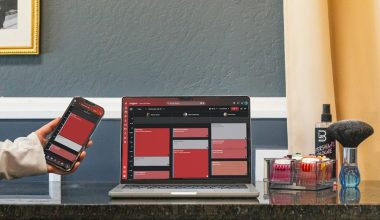
The best BrandVerity alternative depends on what the team needs to catch first: paid search abuse, affiliate fraud, phishing, social complaints, marketplace misuse, or broad reputation risk. BrandVerity is strongest when the main concern is trademark bidding, partner compliance, and paid search monitoring. Teams that need wider brand protection often compare it with tools built for social listening, review tracking, dark web alerts, takedowns, or media intelligence.
TLDR: BrandVerity works well for companies that need tight control over paid search ads and affiliate behavior, but it is not always the best fit for every brand monitoring job. For example, a retail brand with 500 affiliates may use BrandVerity to find 35 policy violations in a month, while a PR team may prefer Mention or Brand24 to track a 22% rise in negative social mentions after a product delay. The smartest comparison starts with the risk channel, then checks alert speed, reporting depth, takedown support, integrations, and price.
What BrandVerity does well
BrandVerity, now part of Partnerize, is known for monitoring search engines and partner activity. It helps brands spot affiliates, resellers, and competitors using protected terms in paid ads. This matters when a company spends heavily on Google Ads or depends on partner marketing.
Its biggest value sits in paid search compliance. It can detect trademark misuse, unauthorized ad copy, direct linking, coupon abuse, and partner policy breaches. For marketing teams, this can protect budget and reduce channel conflict.
The problem starts when a company expects one tool to cover every type of brand risk. Honestly, it feels like some software buyers only notice the gap after they need social sentiment, review monitoring, or fake account detection. BrandVerity may still help, but another tool may fit better.
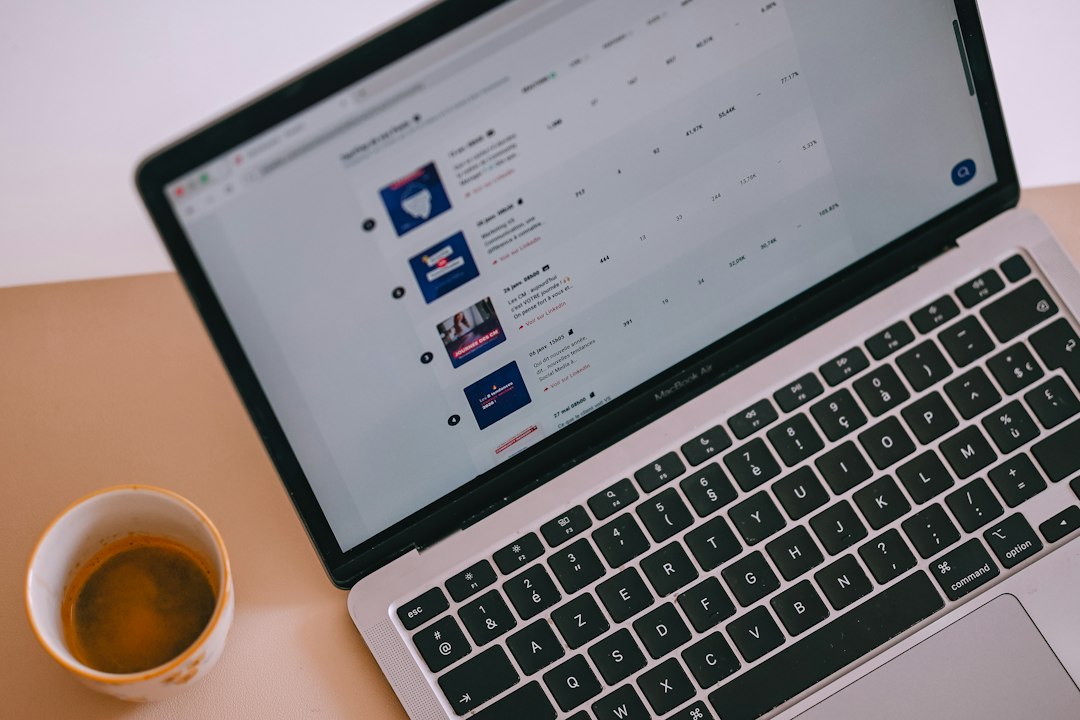
Main types of BrandVerity competitors
Competitors fall into several groups. A direct comparison only works when the buyer separates these categories first.
- Paid search and affiliate compliance tools: These compete most closely with BrandVerity. Examples include The Search Monitor and Adthena.
- Brand protection and impersonation tools: These focus on phishing, fake domains, counterfeit pages, and social impersonation. Examples include BrandShield, Red Points, and ZeroFox.
- Social listening and reputation platforms: These track mentions, sentiment, reviews, and media coverage. Examples include Mention, Brand24, Meltwater, Talkwalker, and Sprout Social.
- SEO and search visibility platforms: These are useful for brand search tracking, though not made for enforcement. Examples include Semrush and Ahrefs.
Key competitors to compare
1. The Search Monitor
The Search Monitor is one of the closest BrandVerity competitors for paid search monitoring. It tracks ad copy, trademark use, affiliate behavior, and competitive search activity. It is a strong option for brands with strict partner rules or legal oversight.
Buyers should compare its search coverage, screenshot evidence, alert accuracy, and reporting workflow. If the legal team needs clean proof for enforcement, evidence quality matters more than a pretty chart.
2. Adthena
Adthena is often used for paid search intelligence. It helps teams see competitor ad activity, search share, and brand search trends. It is less about affiliate policing and more about search market insight.
Adthena can suit brands that want to understand why cost per click is rising or who is appearing on branded queries. For pure compliance, BrandVerity or The Search Monitor may feel more direct.
3. Red Points
Red Points focuses on online brand protection, especially counterfeit goods, unauthorized sellers, piracy, and marketplace abuse. It supports takedowns across marketplaces, websites, apps, and social channels.
This makes it a better fit for ecommerce brands with product misuse problems. A fashion label, for instance, may care less about search ad violations and more about 1,200 fake listings across marketplaces.
4. BrandShield
BrandShield monitors threats such as phishing sites, fake social profiles, domain abuse, and brand impersonation. It is often used by financial firms, crypto companies, healthcare brands, and large consumer companies.
It is a strong BrandVerity alternative when the main concern is security-driven brand abuse, not marketing compliance. The buyer should check how quickly it finds copycat domains and how its takedown process works.
Image not found in postmeta5. Mention
Mention is built around social listening and web monitoring. It tracks brand mentions across social media, blogs, forums, and news sites. It can help PR teams spot negative sentiment before it grows.
It is easier to use than many enterprise media platforms, but it may not satisfy teams that need deep compliance records. The catch is that casual mention tracking can create noise. Expect to waste time on weak alerts if filters are not set up well.
6. Brand24
Brand24 is another social listening option. It tracks mentions, sentiment, influencer reach, and discussion volume. Smaller teams often like it because it is practical and quick to set up.
Brand24 is useful when reputation risk lives on social channels, review sites, or forums. It is not a substitute for paid search policing or counterfeit takedowns.
7. Talkwalker and Meltwater
Talkwalker and Meltwater serve larger communications teams. They track media coverage, social conversations, sentiment, audience themes, and campaign performance. These tools can support global monitoring programs.
They tend to cost more and take more setup. Still, they can provide stronger coverage for PR, corporate communications, and executive reporting.
How to compare BrandVerity competitors
A fair comparison should start with business pain, not feature count. A tool with 80 features can still miss the one violation that costs revenue.
- Channel coverage: Check whether the tool monitors search ads, social media, marketplaces, domains, reviews, news, forums, or app stores.
- Alert speed: Paid search abuse can change fast. A delay of even 24 hours may waste ad spend.
- Evidence quality: Screenshots, timestamps, URLs, location data, and device data help with enforcement.
- Takedown support: Some tools only alert. Others help remove fake pages, listings, or profiles.
- Sentiment analysis: Reputation teams need trend lines, not just raw mention counts.
- Workflow: Alerts should assign ownership, track status, and show repeat offenders.
- Integrations: CRM, Slack, Teams, BI tools, ad platforms, and ticketing systems can reduce manual work.
- Pricing model: Costs may depend on keywords, domains, users, regions, channels, or enforcement volume.
Which tool fits which use case?
BrandVerity fits brands with affiliate programs, trademark bidding issues, and paid search compliance needs. It is a strong choice for ecommerce, travel, finance, and subscription companies that protect branded search terms.
The Search Monitor fits similar compliance needs and should be tested side by side when search evidence and partner enforcement are central.
Adthena fits paid search strategy teams that want search intelligence, competitive visibility, and budget insights.
Red Points fits companies fighting counterfeits, unauthorized sellers, and fake listings.
BrandShield fits security-aware brands that face phishing, impersonation, fake domains, and scam profiles.
Mention and Brand24 fit small to mid-sized teams that need social and web mention tracking without a heavy setup.
Talkwalker and Meltwater fit enterprise communications teams that need richer media intelligence and global reporting.
Questions buyers should ask before signing
- What exact risks must be found in the first 30 days?
- How many regions, languages, and search engines must be monitored?
- Does the tool provide enough proof for legal or partner action?
- Can alerts be separated by severity?
- Will the vendor help with takedowns or only send notifications?
- How many false positives appeared during the trial?
- Can reports show financial impact, such as wasted ad spend or lost traffic?
FAQ
Is BrandVerity only for affiliate monitoring?
No. BrandVerity is known for affiliate and paid search compliance, but it also helps monitor trademark use and partner behavior across search ads. Its strongest use case remains marketing compliance.
What is the closest BrandVerity competitor?
The Search Monitor is one of the closest options for paid search and affiliate compliance. Adthena is also relevant, though it focuses more on search intelligence than enforcement.
Which BrandVerity alternative is best for social media reputation?
Mention, Brand24, Talkwalker, Sprout Social, and Meltwater are better suited for social listening and reputation tracking. They monitor mentions, sentiment, reach, and media activity.
Which tool is best for fake domains and phishing?
BrandShield and ZeroFox are strong options for impersonation, phishing, fake profiles, and domain abuse. They are better fits when brand risk overlaps with security threats.
How should a company choose between BrandVerity and Red Points?
BrandVerity is better for paid search and partner compliance. Red Points is better for counterfeit products, unauthorized sellers, and marketplace takedowns.
Should a brand use more than one monitoring tool?
Yes, larger brands often need more than one. A company may use BrandVerity for search compliance, BrandShield for phishing, and Brand24 for social sentiment.