Every great SEO campaign starts with one thing. Good keyword data. Not guesses. Not vibes. Real data. If you know what people search for, you can meet them exactly where they are. And that is powerful.
TLDR: Reliable keyword data comes from a mix of tools and real-world insights. Use platforms like Google Keyword Planner, Search Console, and trusted SEO tools for solid numbers. Check forums, Reddit, and social media to understand real language. Combine data sources, compare results, and focus on search intent for smarter SEO decisions.
Now let’s make this simple, fun, and clear.
Why Reliable Keyword Data Even Matters
Imagine building a store in the desert. No people. No traffic. That’s what happens when you target the wrong keywords.
Reliable keyword data tells you:
- What people are searching for
- How often they search
- How competitive the keyword is
- What they actually mean
It removes guesswork. It saves time. It saves money.
But here’s the twist. No single tool gives perfect data. The smart approach is to combine sources.
1. Google Keyword Planner (Free and Solid)
This is one of the most trusted sources. Why? Because it comes straight from Google.
Google Keyword Planner is inside Google Ads. You need an account. But you don’t need to run ads to use it.
What you get:
- Average monthly searches
- Competition level
- Keyword suggestions
- Cost per click estimates
It’s not perfect. Search volumes are often shown in ranges. But it gives a strong starting point.
Pro tip: Look at trends over time, not just one month. Seasonality matters.
2. Google Search Console (Your Gold Mine)
If you already have a website, this is pure treasure.
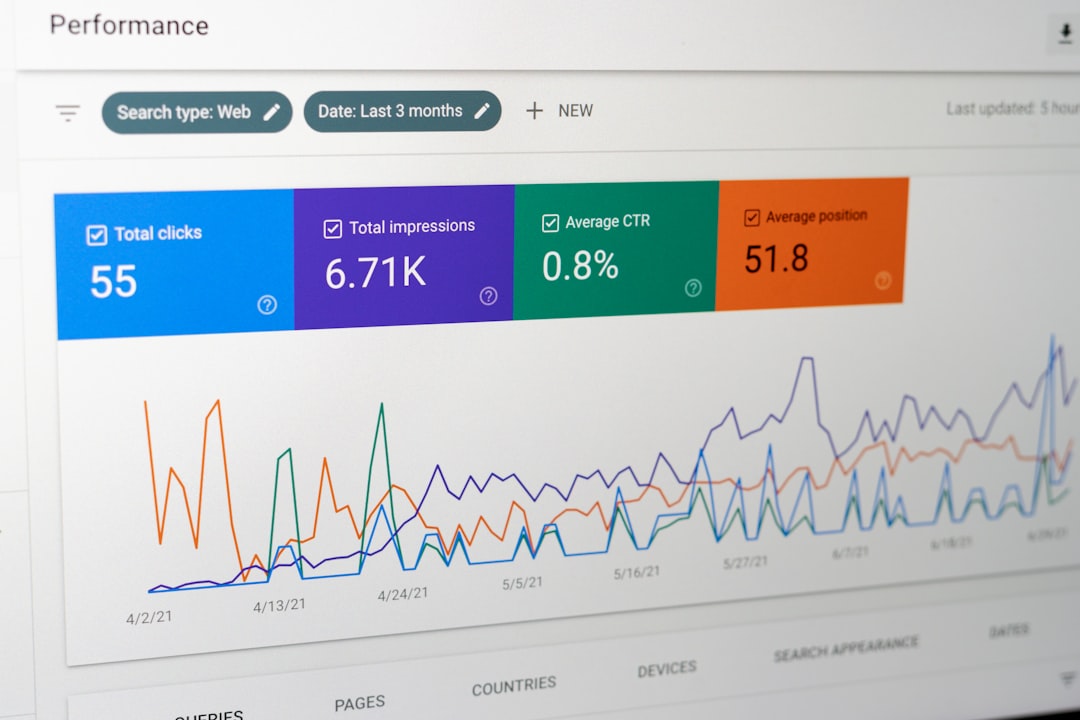
Google Search Console shows:
- What keywords you already rank for
- Impressions
- Clicks
- Average position
This is real data. Not estimates. Actual performance.
You can find surprising opportunities. Maybe you’re ranking in position 11 for a keyword. That’s page two. With a small push, it can jump to page one.
This tool helps you improve what is already working. That’s low-hanging fruit.
3. Google Trends (See What’s Rising)
Some keywords spike fast. Others fade out.
Google Trends shows you interest over time. It helps you answer questions like:
- Is this topic growing?
- Is it seasonal?
- Is it declining?
You can compare multiple keywords. You can filter by country. You can zoom in on recent activity.
This is especially useful for trending niches.
It doesn’t show exact search volume. But it shows momentum. And momentum matters.
4. Paid SEO Tools (Deep Data and Big Databases)
If you want serious data, paid tools help.
Popular types of tools offer:
- Precise search volume estimates
- Keyword difficulty scores
- Competitor keyword analysis
- Backlink data
- Traffic estimates
They crawl millions (or billions) of keywords. That’s powerful.
But remember. These platforms estimate search volume. They don’t own Google’s numbers. Still, they use smart clickstream data and modeling.
Use them to:
- Find long-tail keywords
- Spot competitor gaps
- Group related queries
If SEO is a big part of your business, this investment can pay off fast.
5. Competitor Research (Steal Smartly)
Your competitors already did research. Why not learn from it?
Look at:
- Their blog topics
- Their product pages
- Their ranking keywords (via SEO tools)
If they consistently rank for certain keywords, those terms likely matter.
But don’t just copy. Improve. Go deeper. Answer better.
Ask yourself:
- What are they missing?
- Can I add clearer examples?
- Can I simplify it?
This approach combines data with strategy.
6. People Also Ask and Related Searches
Google literally tells you what else people want to know.
Look at:
- The “People Also Ask” box
- Related searches at the bottom of results
- Autocomplete suggestions
These come straight from user behavior.
They reveal:
- Questions
- Pain points
- Long-tail variations
And long-tail keywords are gold. They are less competitive. They are more specific. They often convert better.
7. Forums, Reddit, and Real Conversations
This is where the magic happens.
Numbers are important. But language is everything.
Visit:
- Reddit threads
- Quora
- Industry forums
- Facebook groups
Watch how people talk. Notice the exact phrases. The exact questions.
People don’t always search in perfect marketing terms. They search in messy, human language.
That’s opportunity.
If 50 people ask the same question in slightly different ways, that’s a keyword cluster.
8. Customer Support and Sales Teams
This is underrated.
Your support inbox is full of keyword ideas.
Look for:
- Repeating questions
- Common confusion
- Feature comparisons
Each repeated question can become:
- A blog post
- An FAQ page
- A landing page
This data comes directly from real buyers. That’s high-quality insight.
9. Social Media Search Bars
Type a word into YouTube. Watch suggestions appear.
Do the same on:
- TikTok
- X (Twitter)
Each platform has its own search ecosystem.
If SEO includes video or visual content, this matters a lot.
Especially YouTube. It’s the second largest search engine in the world.

10. Use Multiple Sources. Always.
Here’s the truth.
No keyword tool is 100% accurate.
Search volume is estimated. Competition scores vary. Data updates at different times.
So what’s the smart move?
Cross-check your data.
For example:
- Check volume in Keyword Planner
- Confirm trends in Google Trends
- Analyze difficulty in an SEO tool
- See current rankings manually
If all signals align, that keyword is strong.
Don’t Forget Search Intent
Volume alone is not enough.
You need to understand why someone is searching.
There are four main types of search intent:
- Informational – They want to learn.
- Navigational – They want a specific site.
- Commercial – They are comparing options.
- Transactional – They are ready to buy.
Reliable keyword data must match intent.
If someone searches “best running shoes,” they want comparisons. Not a homepage. Not a random article about shoe history.
Intent alignment boosts rankings and conversions.
Red Flags to Watch Out For
Not all keyword data is reliable.
Be careful of:
- Tools that promise exact numbers
- Very low competition scores with high volume
- Outdated datasets
- One-source decisions
If something looks too good to be true, it probably is.
A Simple Keyword Research Workflow
Here’s a beginner-friendly process:
- Start with a seed keyword.
- Use Keyword Planner for ideas.
- Explore variations in SEO tools.
- Check trends.
- Analyze top 10 results manually.
- Group similar keywords together.
- Match content to intent.
Done. That’s a strong foundation.
Final Thoughts
Reliable keyword data is not about finding one magic number.
It’s about pattern recognition.
It’s about combining tools. Comparing signals. Understanding people.
The best SEO professionals don’t just read dashboards. They read behavior.
They look for intent. They listen to customers. They test. They refine.
If you treat keyword research like detective work, it becomes fun.
You search for clues. You gather evidence. You build strategy.
And when the traffic starts growing, it feels amazing.
So open a few tools. Explore. Cross-check. Think about intent.
That’s how you get reliable keyword data for SEO campaigns.
And that’s how you win search.