In the sprawling world of manga culture, there exists a vibrant and deeply passionate underground scene that fuels innovation, creativity, and obsession in equal measure. This realm is known as doujin (or doujinshi), where independent artists and writers craft compelling narratives outside the confines of commercial publishing. At the heart of this subculture lies a unique and emotionally resonant genre: doujen moe. The term is not merely about “cuteness”; it’s a deep, often heartfelt expression of attachment, vulnerability, and affection that defines the essence of indie manga storytelling.
TL;DR (Too Long, Didn’t Read)
Doujen moe refers to a subgenre of indie manga that focuses on emotionally rich, endearing characters often featured in self-published works (doujinshi). It captures the heartfelt expressions of creators outside the commercial mainstream. These works are key to understanding the passion and artistic depth behind Japan’s indie manga movement. Doujen moe continues to be a driving force in fan culture, creativity, and grassroots artistic evolution.
Understanding the Doujin Culture
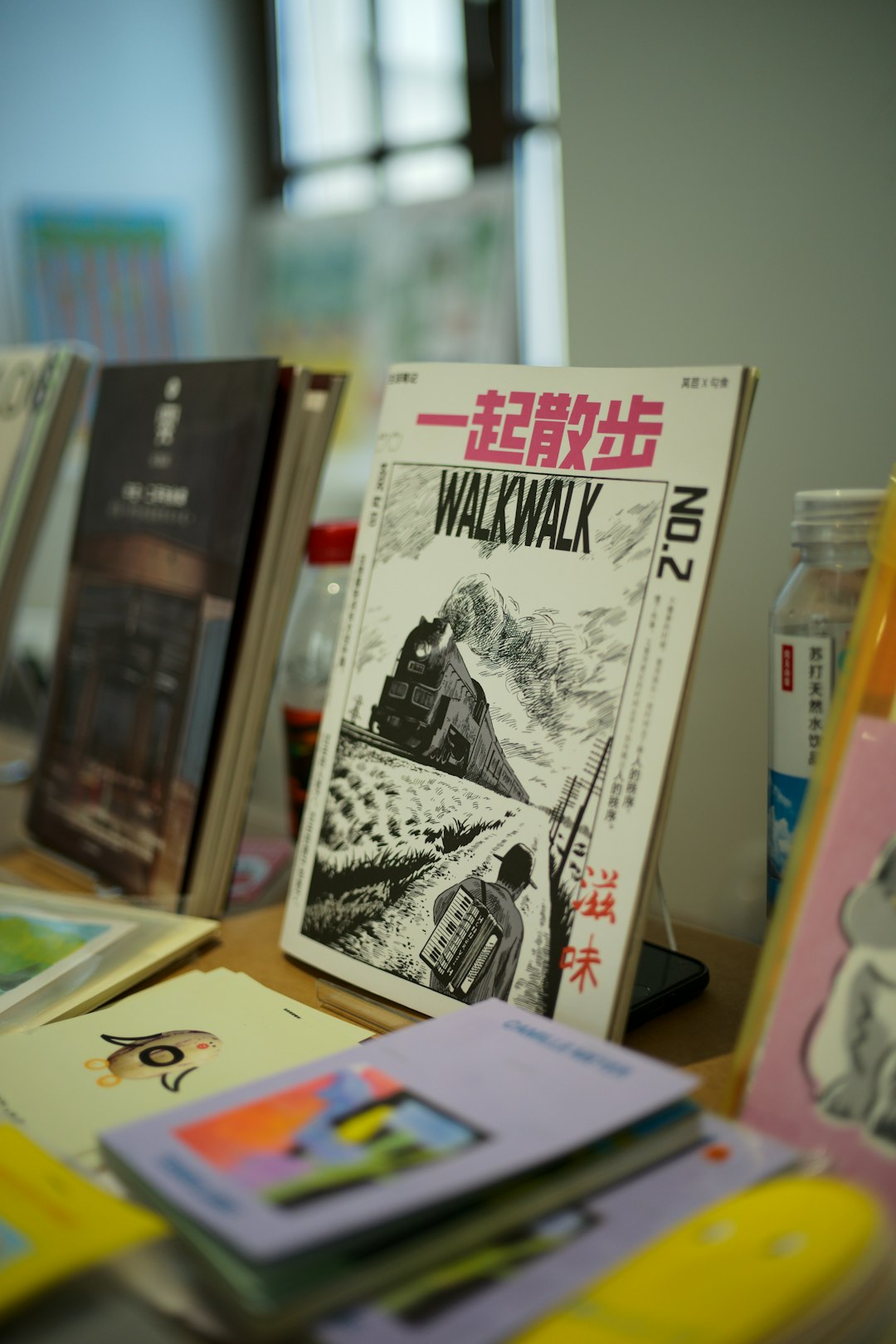
Doujinshi are self-published works, often manga, novels, or art books, created by independent artists or small circles known as doujin circles. These publications are usually sold at conventions like Comiket and primarily cater to niche audiences. While many doujinshi are parodies or spin-offs of popular commercial works, a growing number focus on original stories, tapping into a deeply personal and expressive realm of storytelling.
In this ecosystem, artists can bend genre norms, explore alternative narratives, and offer honest emotionality rarely found in mainstream media. Moe—typically associated with feelings of affection and protectiveness toward fictional characters—takes on a new life in doujin culture, forming what fans and scholars call “doujen moe.”
What Exactly Is Doujen Moe?
The term doujen moe is a fan-coined expression combining “doujin” and “moe.” It refers to a sentimentally rich portrayal of characters that inspire not just affection but also emotional immersion, empathy, and sometimes profound melancholy. Unlike commercial manga where moe can sometimes be a marketing strategy, in doujinshi, moe is often a labor of love—intimate, nuanced, and genuine.
These expressions commonly appear in:
- Slice-of-life stories with understated emotional arcs
- Romantic or nostalgic themes that tug on universal feelings
- Alternate character depictions in fan-themed doujinshi showing a different side of well-known personalities
Doujen moe is about the intimacy between the creator and the audience, the subtle gestures, the unspoken thoughts, and the quiet moments that say everything without words. It is not about polished artwork or commercial trends—it’s about feeling.
Origins and Cultural Relevance
The roots of doujin culture can be traced back to the late 1970s and 1980s with the rise of fan groups creating unofficial works based on their favorite anime and manga. As barriers to entry lowered with digital tools and conventions grew in popularity, the number and scope of independent creators expanded dramatically.
With mainstream manga often under pressure to sell and conform, doujin spaces became sanctuaries for creativity, identity exploration, and emotional nuance. As such, doujen moe became more than just a style. It became a statement—a refusal to homogenize the diversity of human emotion for mass appeal.
Famed artists like CLAMP and Type-Moon began their careers in the doujin scene, showing how this niche domain can evolve into mainstream success while retaining its soul.
Signature Traits of Doujen Moe Works
True doujen moe works are hard to categorize but often share common elements that set them apart. These include:
- Character-driven stories emphasizing individual growth over plot progression
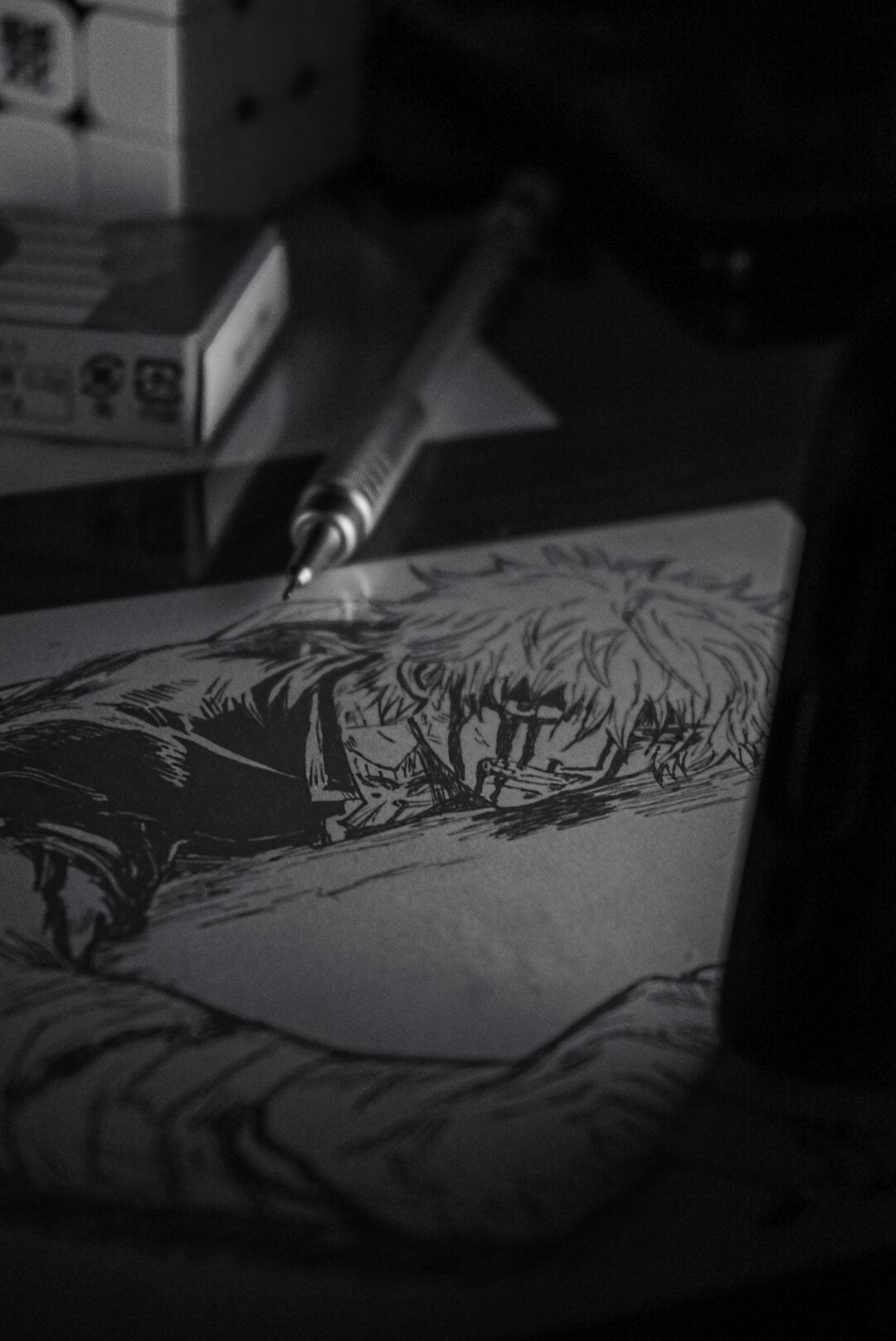
- Minimalist or dream-like art styles that complement emotional tone
- Atmosphere and pacing that reflect real-life experiences and inner worlds
- Shorter formats, often no more than a few dozen pages, to let the emotional weight sink in
Some doujin creators integrate real-life experiences into their characters, blurring the line between fantasy and autobiography. This results in a deeply moving experience that bridges reader and creator in unexpected ways.
Why Doujen Moe Matters
In an age saturated with homogenized content and calculated branding, doujen moe offers an antidote—a return to storytelling for storytelling’s sake. It reminds readers of the universal emotions that connect us, whether through a wistful schoolgirl’s quiet thoughts or the soft, wordless bond between friends navigating adolescence.
Moreover, the genre’s rise also provides creators with an inclusive platform to explore topics often neglected in mainstream manga. This includes LGBTQ+ themes, mental health, neurodivergence, and emotional introspection. Through this lens, doujen moe can be seen not just as entertainment but as cultural expression and emotional therapy.
Where to Discover Doujen Moe Today
For those new to the genre, the best way to explore doujen moe is to attend local or international doujin conventions like:
- Comiket (Tokyo) — the holy grail of doujinshi, held twice a year
- Comitia — a convention focused on original works, not derivative ones
- Doujinshi.org and Booth.pm — online platforms selling digital and physical doujin works
While language might be a barrier for non-Japanese speakers, a growing number of fan translators and indie publishers are working to bring these stories to global audiences. Sites like DLsite and Pixiv Booth increasingly offer English-friendly options.
The Future of Doujen Moe
As digital platforms continue to empower creators outside traditional models, doujen moe shows no sign of fading. Instead, it seems poised to grow, reaching never-before-touched readers and bridging cultures. What began as a humble expression of love for characters and emotion has become a genre in its own right—quiet, powerful, and human at its core.
For anyone looking to understand the soul of modern manga, there’s no better place to turn than doujen moe—a testament to creativity, sincerity, and the enduring power of heartfelt storytelling.
FAQ: Exploring Doujen Moe
-
What does ‘doujen moe’ mean?
Doujen moe is a fan term that combines “doujin” (independently published work) and “moe” (strong affection for characters). It describes emotionally-driven, often touching stories in the indie manga scene. -
Is doujen moe different from regular moe?
Yes. While regular moe in mainstream media can feel commercialized or trope-driven, doujen moe is usually more personal, introspective, and emotionally nuanced. -
Can I find English-translated doujen moe works?
Yes, though availability is still limited. Look for fan-translated works on websites like DLsite, Booth, or participating in doujin-centric Discord communities. -
Are there famous artists who started with doujen moe?
While not all started with doujen moe specifically, many famous manga artists began in the doujin scene. Groups like CLAMP and creators like Kinoko Nasu (Type-Moon) used doujin history as a stepping stone to mainstream success. -
What’s the best way to support doujen moe creators?
Purchasing their work directly, attending conventions, and sharing your appreciation online helps support these creators. Many offer their works on digital platforms, making access easier than ever.