Hydropower usually delivers broader grid value than solar when a clean energy system needs steady output, long storage, and fast balancing power. Solar is cheaper and faster to install in many places, but hydropower can keep producing after sunset and during cloudy weeks. Globally, hydropower supplied about 15% of electricity generation in 2022, making it the largest source of renewable electricity [source: IEA].
TLDR: Hydropower and solar both cut emissions, but they solve different problems. A 100 MW hydropower plant running at a 50% capacity factor can generate about 438 GWh per year, while a 100 MW solar farm at 20% produces about 175 GWh per year. For a town with hospitals, cold storage, and factories, hydropower offers cleaner power with fewer gaps. Solar wins when speed, rooftops, and low daytime costs matter most.
Hydropower vs Solar: The Main Clean Energy Difference
Hydropower turns moving water into electricity. Solar turns sunlight into electricity. Both avoid the direct burning of coal, oil, or gas. That makes both useful for cleaner grids.
The difference is timing. Solar power peaks during sunny daylight hours. Hydropower can often run day and night, depending on water supply and plant design. Reservoir hydropower can also store water, then release it when electricity demand rises.
The catch is that solar output can fall hard at the exact moment customers still need power. Late afternoon clouds, winter days, smoke, and evening demand create real strain. Hydropower can fill that gap without firing up as many fossil fuel plants.
Key Advantages of Hydraulic Energy
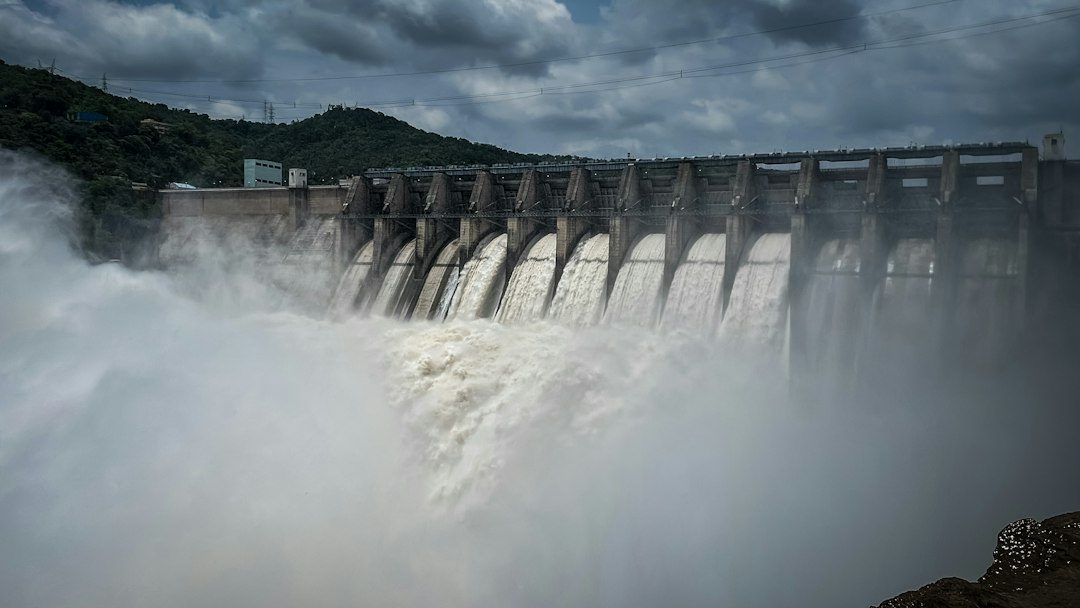
- Reliable output: Hydropower plants can produce electricity for long periods when river flow or reservoir storage is strong.
- Fast response: Many plants can raise or lower output in minutes. This helps stabilize the grid.
- Built-in storage: Reservoirs act like natural energy storage. Pumped storage hydropower can store extra electricity for later use.
- Long service life: Many hydropower assets can operate for 50 to 100 years with upgrades.
- Low operating emissions: Once built, plants produce electricity with very low direct carbon emissions.
That combination is rare. Wind and solar are clean, but they need batteries, transmission upgrades, or backup generation to provide the same level of control. Hydropower can act as both a generator and a grid support tool.
Where Solar Has the Edge
Solar deserves credit. It is modular, quick to install, and useful at many scales. A household roof, warehouse, school, farm, or desert site can host solar panels. This makes solar flexible in a way large hydro projects are not.
Solar projects also avoid many of the social and ecological issues tied to dams. They do not block fish migration. They do not flood valleys. They usually face shorter construction timelines, especially at small and mid-sized sites.
Costs are another strength. Solar panel prices have dropped sharply over the past decade. In sunny regions, solar often delivers some of the cheapest daytime electricity available. For commercial buildings with high daytime demand, the savings can be strong.
Where Hydropower Beats Solar
Hydropower is stronger when clean energy must be available on demand. This matters for hospitals, transit systems, water treatment plants, data centers, and heavy industry. These users cannot pause every time sunlight fades.
Solar needs the sun. Hydropower needs water, but stored water can be managed. This gives hydropower a major advantage during evening peaks. It also helps during grid stress, when power prices jump and backup plants are called in.
It drives energy planners crazy that a solar-heavy grid can look great at noon and strained by 7 p.m. The same solar farm that floods the grid with cheap power at lunch may add little during dinner demand. Hydropower smooths that curve.
Storage: The Biggest Practical Gap
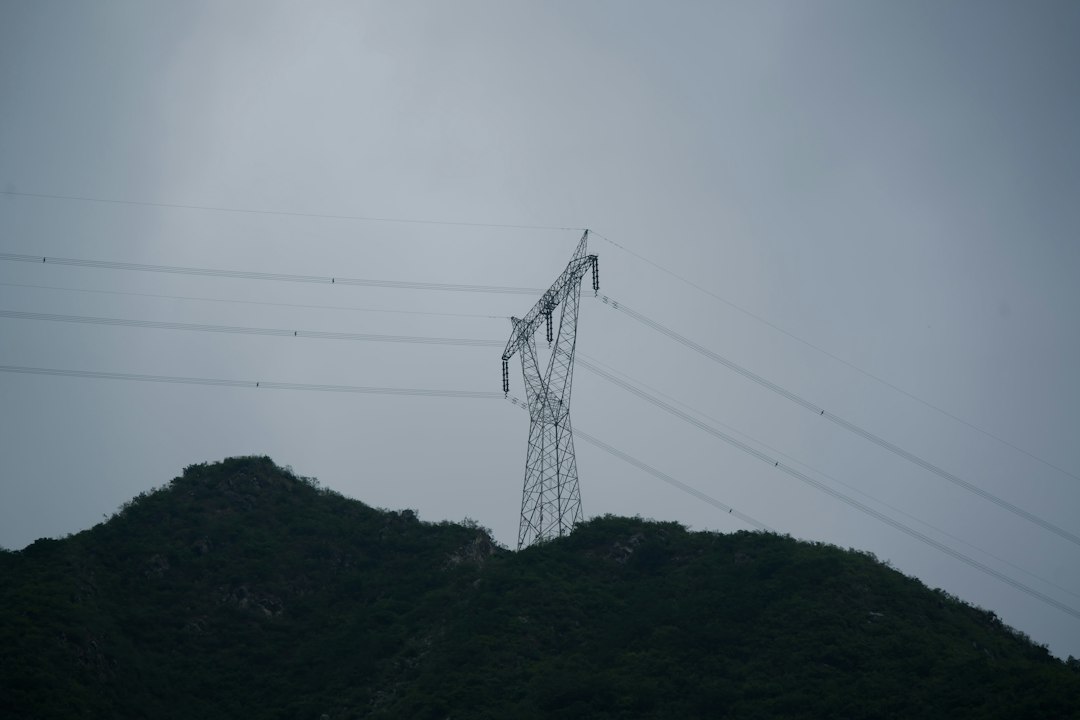
Storage is where hydraulic energy shines. Pumped storage hydropower moves water uphill when electricity is cheap or abundant. Later, that water flows downhill through turbines to produce power.
This is not a small feature. Pumped hydro is still one of the largest forms of grid-scale energy storage in the world. Batteries are growing fast, but they are often best for shorter cycles. Pumped hydro can support longer discharge periods, depending on the project.
Solar paired with batteries can compete in many markets. Yet batteries add cost, require mineral supply chains, and have replacement cycles. Hydropower storage assets often last much longer with maintenance and refurbishment.
Environmental Trade-Offs
Hydropower is clean, but not impact-free. Dams can change river flow, affect fish, trap sediment, and alter local ecosystems. Reservoirs may also release methane in some warm regions, especially where flooded vegetation decomposes.
Solar has its own issues. Large solar farms need land. Panel production uses energy, materials, and industrial chemicals. End-of-life recycling is improving, but waste handling remains a concern.
The best choice depends on local conditions. An existing dam with unused generation potential may be a strong clean energy win. A fragile river with rare fish may not be the right place for a new large dam. A sunny warehouse roof, on the other hand, is often an easy solar opportunity.
Cost and Construction Timing
Solar usually wins on speed. A solar project can be planned and built far faster than a major hydro facility. This matters for cities and companies trying to cut emissions within a few years.
Hydropower projects often require long permitting, complex engineering, and large upfront capital. New dams can take years before producing electricity. That delay can be painful when electricity demand is rising fast.
Still, lifetime value can favor hydropower. A well-maintained plant may operate for generations. Turbines, controls, and generators can be modernized. Existing hydropower facilities can sometimes increase output without building a new dam.
Best Use Cases for Each Technology
- Hydropower: Best for grid stability, long-life infrastructure, baseload power, peak demand support, and storage.
- Solar: Best for fast deployment, rooftops, sunny regions, daytime demand, and distributed generation.
- Hybrid systems: Best when solar provides cheap daytime electricity and hydropower balances evening or cloudy periods.
The strongest clean energy plan often uses both. Solar reduces fuel use during the day. Hydropower covers gaps and supports the grid. Together, they can reduce emissions without sacrificing reliability.
Which Is Better for Clean Energy Benefits?
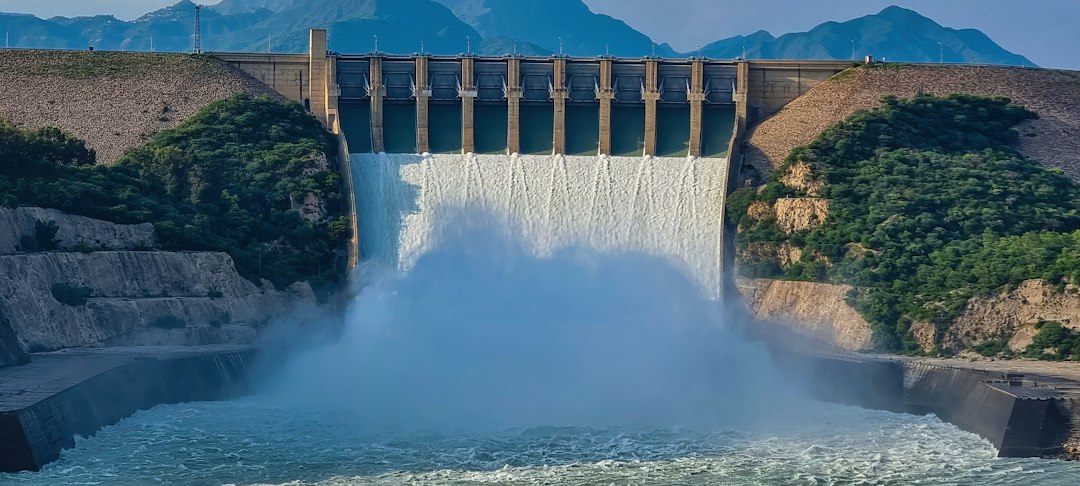
Hydropower is better for reliability and storage. Solar is better for speed and scalable deployment. A utility that needs firm renewable power may prefer hydropower or pumped storage. A school district that wants lower daytime bills may choose solar panels.
For national grids, hydropower often plays a backbone role. For homes and businesses, solar is usually easier to adopt. The smarter comparison is not “hydro or solar.” It is how much of each resource fits the region.
FAQ
Is hydropower cleaner than solar?
Both are clean compared with fossil fuels. Hydropower has very low direct emissions, but dams can affect rivers and habitats. Solar has low operating emissions, but panel production and disposal must be managed well.
Why is hydropower more reliable than solar?
Hydropower can often produce electricity at night and during cloudy weather. Reservoir plants can store water and release it when power is needed. Solar depends on sunlight.
Is solar cheaper than hydropower?
Solar is often cheaper and faster to install, especially on rooftops or open sunny land. Hydropower can cost more upfront, but it may deliver value for many decades.
Can hydropower and solar work together?
Yes. Solar can supply low-cost daytime electricity. Hydropower can balance the grid when solar output drops. This pairing can reduce fossil backup needs.
What is the biggest advantage of hydraulic energy?
The biggest advantage is controllable clean power. Hydropower can provide electricity, storage, and grid stability from one system.